




The golf launch monitor market has changed dramatically over the last few years.
Years ago, golfers looking for serious launch monitor accuracy were mostly limited to premium systems like TrackMan or Foresight GCQuad. Today, the market is significantly more competitive, especially for indoor golfers building home simulator setups.
Modern launch monitors now offer:
- high-speed camera tracking
- GSPro compatibility
- club data
- portable indoor/outdoor use
- touchscreen displays
- software flexibility
But choosing the “best” launch monitor is no longer simply about finding the most expensive option.
For most golfers, the real question is:
What launch monitor actually makes sense for my budget, simulator setup, and long-term use case?
This guide breaks down several of the most discussed launch monitors currently available across different price segments and simulator categories — especially for indoor golfers.
Best Overall Indoor Launch Monitor
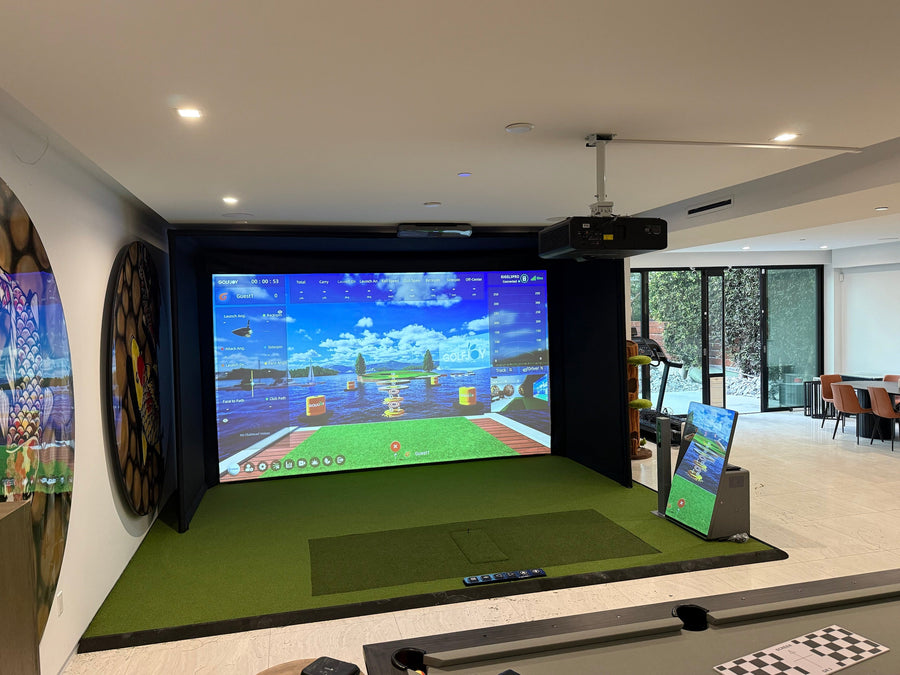
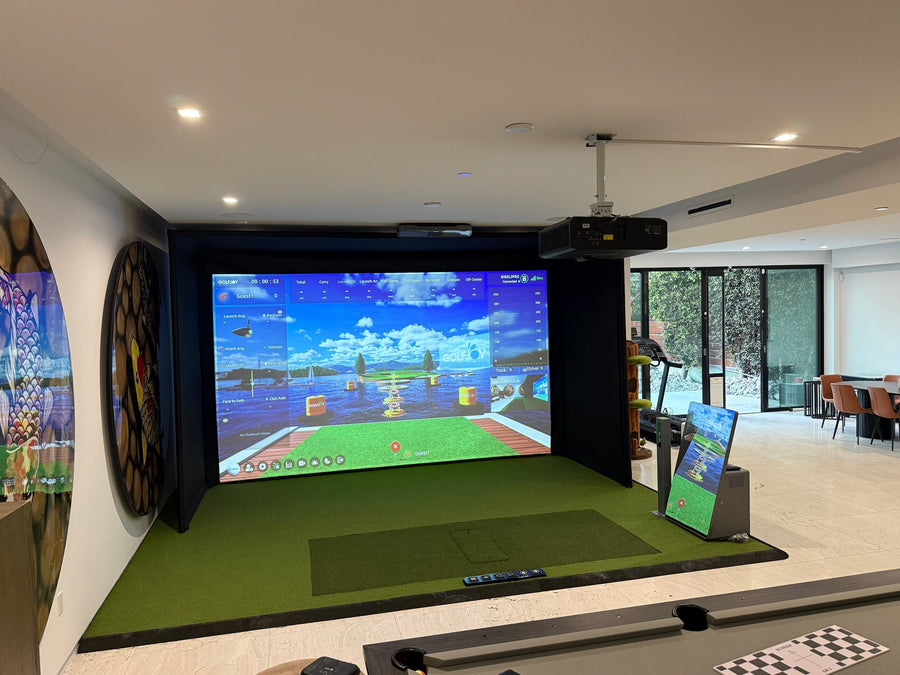
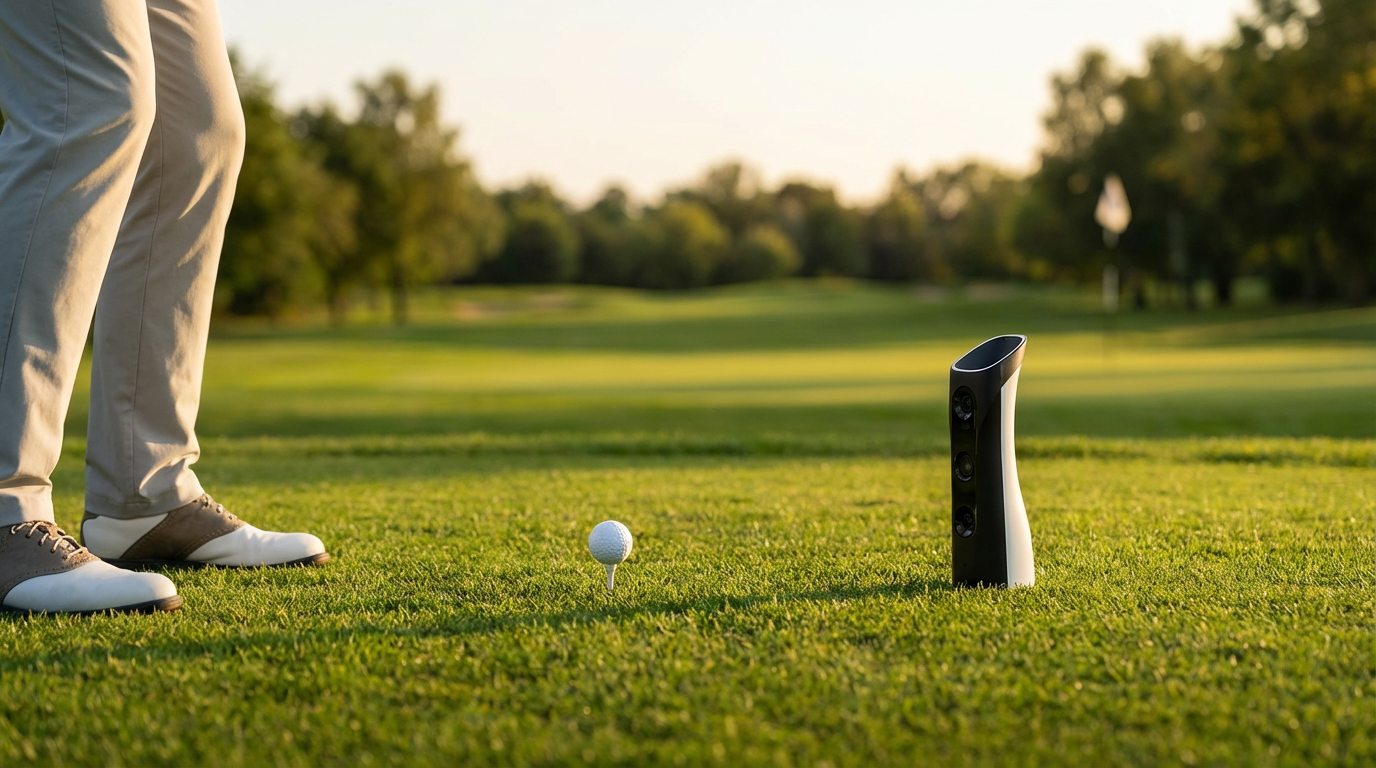
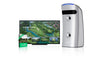
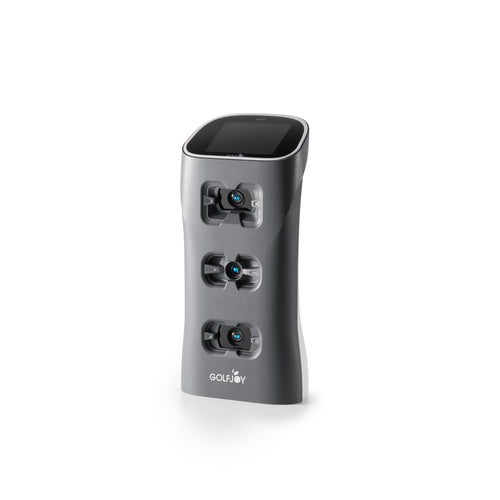
GOLFJOY Spica 3
The GOLFJOY Spica 3 has quickly become one of the most talked-about indoor launch monitors in the simulator market recently.
After gaining attention during 2026 PGA Show coverage — including recognition from MyGolfSpy — the Spica 3 has increasingly attracted golfers looking for high-level indoor tracking without stepping into ultra-premium simulator pricing tiers.
The system combines:
- triple high-speed camera tracking
- 27 data points
- built-in touchscreen display
- GSPro compatibility
- portable indoor/outdoor workflow
- works with standard golf balls
What makes the Spica 3 especially compelling is how balanced the overall ownership experience feels.
Instead of focusing only on raw specifications, the system combines:
- strong indoor consistency
- fast shot feedback
- software flexibility
- large hitting zone usability
- minimal ecosystem friction
One of the biggest advantages is the lack of additional third-party connection fees for GSPro integration, which has become increasingly important as more launch monitor ecosystems move toward recurring subscription structures.
For golfers primarily practicing indoors, the Spica 3 sits in a particularly strong position between:
- tour-level photometric systems
- portable simulator setups
- long-term home simulator usability
A Well-Known Indoor Photometric Option
Foresight GC3S
The GC3S continues to be one of the more established photometric launch monitors in the indoor simulator market.
Foresight systems have built a strong reputation over the years because of their stable indoor ball tracking, particularly for golfers focused heavily on simulator play and shot consistency.
The GC3S offers:
- triple-camera tracking
- strong indoor spin measurement
- reliable simulator integration
- consistent carry distance data
For golfers focused primarily on indoor simulator environments, the GC3S remains one of the more recognizable systems in this category.
At the same time, golfers should still evaluate long-term software ecosystem costs and ownership structure depending on how they plan to build their simulator setup.
Popular Among Coaches and Data-Focused Golfers
Uneekor Eye Mini
Uneekor has become increasingly popular among coaches and simulator-focused golfers because of its emphasis on club delivery data and practice-oriented feedback.
The Eye Mini combines:
- high-speed camera tracking
- strong club data visibility
- solid indoor simulator performance
- practice-focused software tools
For golfers who spend significant time analyzing face control, impact conditions, and delivery patterns, the Eye Mini remains a very popular option.
As with many simulator ecosystems today, golfers should still consider software structure and long-term ownership costs before committing to a full setup.
A Common Entry Point Into Indoor Simulators
Bushnell Launch Pro
The Bushnell Launch Pro remains one of the most commonly discussed launch monitors for golfers entering the indoor simulator market.
Because the platform shares similarities with Foresight systems, many golfers continue viewing the Launch Pro as a strong indoor tracking option within its category.
The system performs particularly well for:
- carry distance consistency
- spin measurement
- garage simulator environments
- basic indoor simulator setups
For many golfers, the biggest consideration eventually becomes the long-term software structure, especially once subscription tiers and simulator access are factored into total ownership cost.
A Portable Simulator-Focused Alternative
Garmin Approach R50
The Garmin Approach R50 takes a different approach compared to many traditional simulator launch monitors.
Rather than focusing purely on advanced simulator data, Garmin emphasizes:
- portability
- integrated usability
- simple setup workflow
- built-in display functionality
For golfers who want a launch monitor that transitions easily between:
- home practice
- garage simulator sessions
- driving range use
- casual indoor play
the R50 provides one of the more approachable portable workflows currently available.
Golfers seeking highly advanced indoor photometric analysis may still prefer dedicated camera-based systems, but Garmin’s ecosystem remains attractive for golfers prioritizing convenience and flexibility.
An Entry-Level Option for Casual Simulator Users
Square Golf Omni
The Square Golf Omni has recently attracted attention as one of the lower-cost entry points into simulator golf.
For golfers mainly interested in:
- casual simulator play
- basic shot feedback
- entry-level indoor practice
- starting a home setup on a smaller budget
the Omni can make sense as an introduction to simulator golf.
Naturally, golfers should still understand the differences between entry-level systems and more advanced photometric launch monitors when it comes to:
- spin consistency
- club data depth
- simulator realism
- indoor tracking stability
But for golfers entering the simulator market for the first time, the lower entry point may still be appealing.
Launch Monitor Comparison Table
| Launch Monitor | Tracking Technology | Indoor Accuracy | GSPro Support | Long-Term Ownership Considerations | Ideal Use Case |
|---|---|---|---|---|---|
| GOLFJOY Spica 3 | Triple Camera | Excellent | Yes | No connector fee | Indoor simulator + long-term ownership |
| Foresight GC3S | Triple Camera | Excellent | Yes | Subscription-based software model | Indoor simulator environments |
| Uneekor Eye Mini | Dual-Camera System | Excellent | Yes | Software ecosystem costs vary | Coaching + club data analysis |
| Bushnell Launch Pro | Triple Camera | Excellent | Yes | Annual software subscription required | Indoor simulator entry point |
| Garmin R50 | Radar + Camera | Very Good | Yes | No connector fee | Portable simulator workflow |
| Square Golf Omni | Entry-Level Camera | Moderate | Yes | No connector fee | Entry-level simulator users |
What Actually Matters When Choosing a Launch Monitor?
For most golfers today, choosing the best launch monitor is less about chasing the biggest brand name and more about finding the right balance between:
- indoor accuracy
- software ecosystem
- long-term ownership costs
- practice workflow
- simulator compatibility
- overall usability
That is one of the biggest reasons the launch monitor market has become far more competitive than it was just a few years ago.
Golfers now have access to multiple systems capable of delivering serious indoor simulator performance across very different price ranges.
For golfers primarily building indoor setups, camera-based launch monitors continue becoming increasingly attractive because they balance:
- compact setup requirements
- strong indoor spin consistency
- realistic simulator workflow
- faster feedback
- home simulator usability
For golfers still researching simulator buying priorities beyond launch monitor pricing alone — including indoor setup workflow, software flexibility, and long-term ownership experience — this complete guide breaks down what actually matters when building a home golf simulator:
What Actually Matters When Choosing a Home Golf Simulator
And for many simulator buyers, those practical ownership factors are ultimately becoming just as important as raw specification numbers.