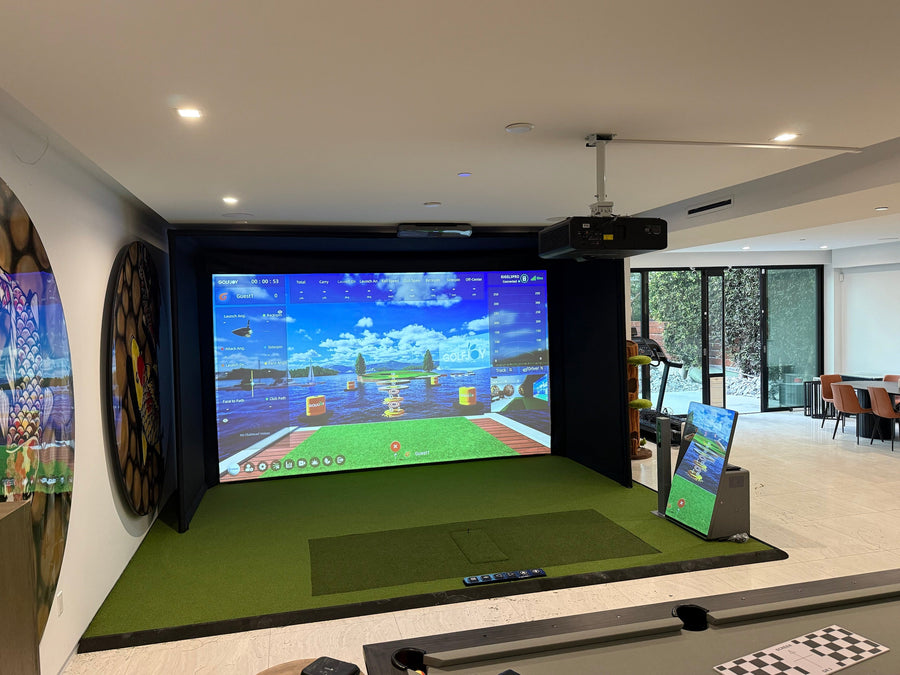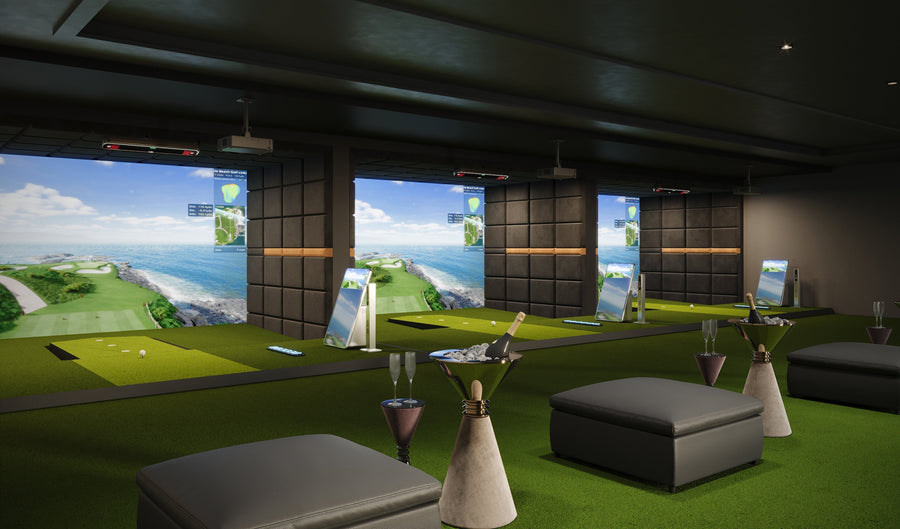






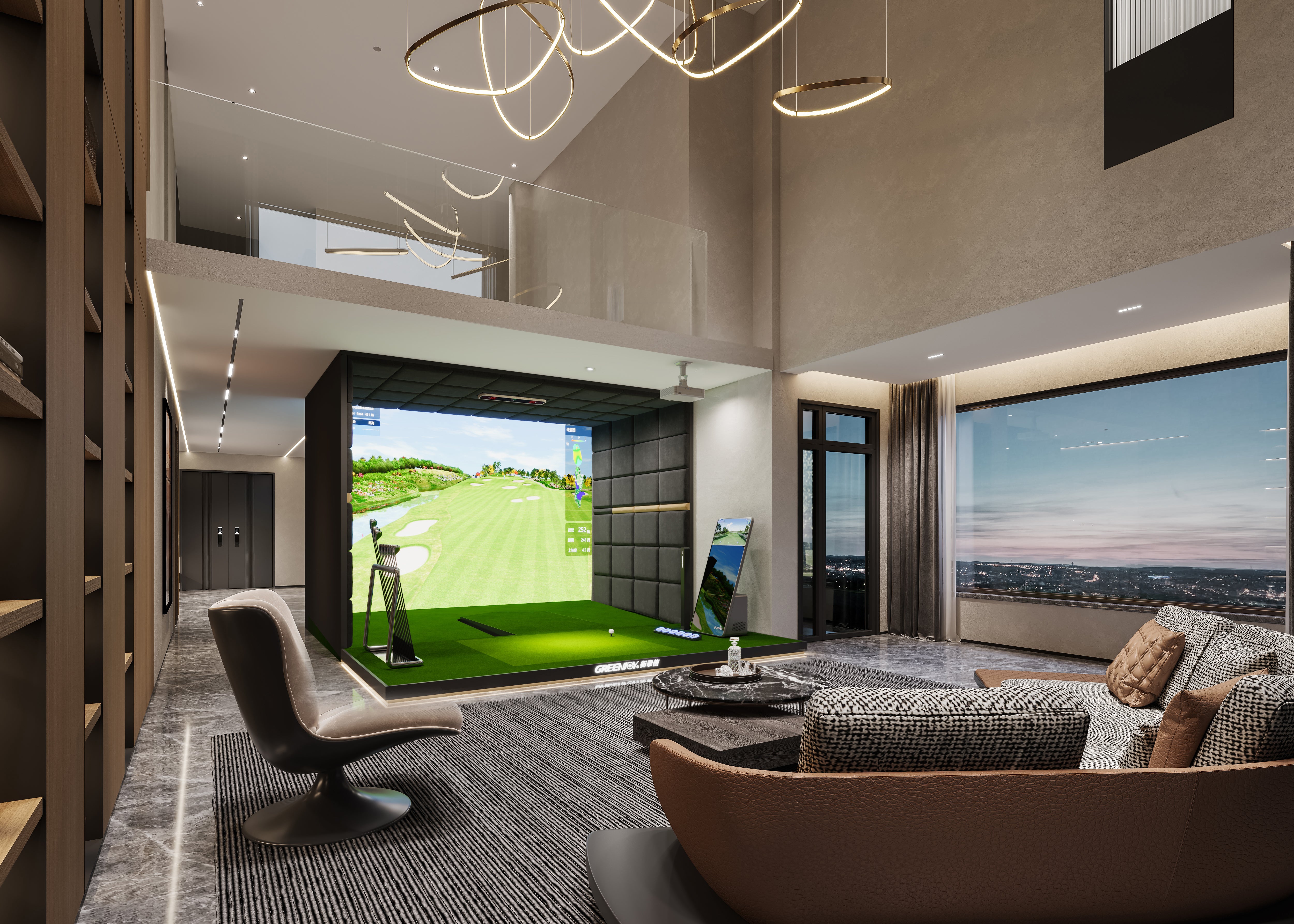
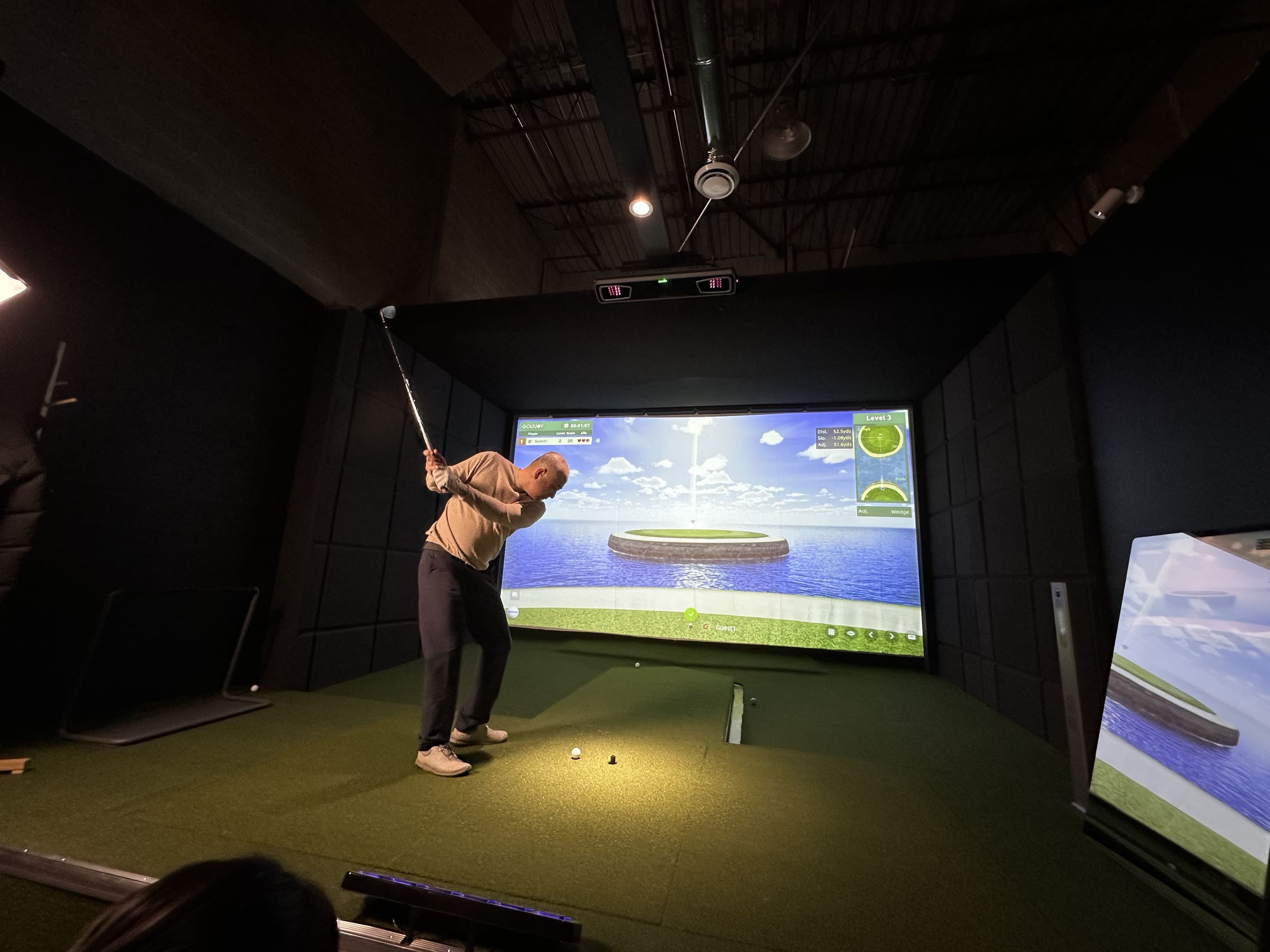
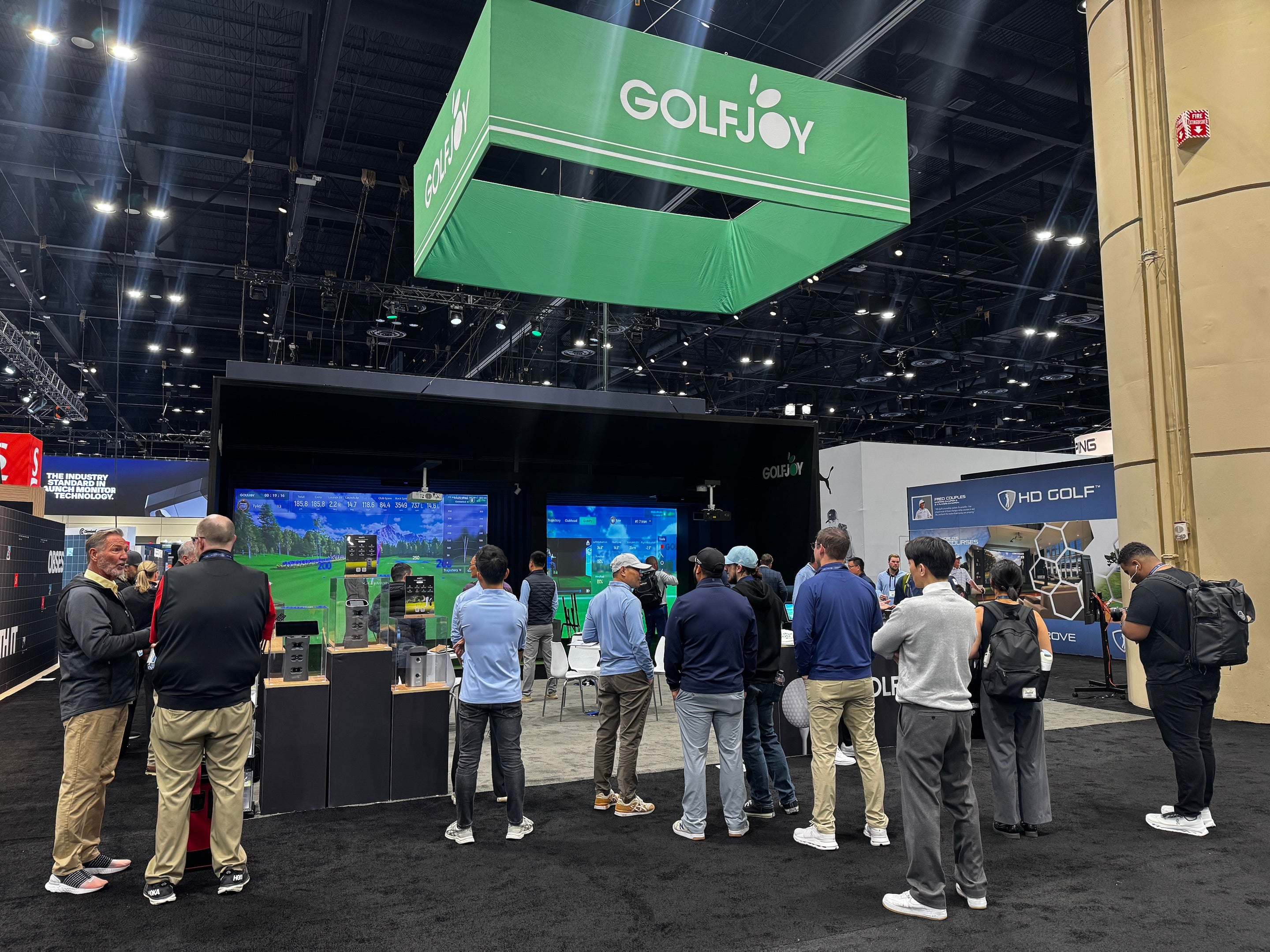
As home golf simulator technology has evolved rapidly over the last few years, more golfers are asking the same question: what actually matters when choosing a simulator setup for indoor practice?
For many golfers, the decision is no longer only about launch monitor price or brand recognition. Indoor consistency, software flexibility, long-term ownership costs, and overall usability have become equally important when building a simulator setup that works well over time.
At the same time, the overall simulator market has become significantly more competitive. Camera-based launch monitors that were once considered niche alternatives are now delivering indoor performance levels that many golfers previously associated only with premium tour-level systems.
This guide breaks down the key things golfers should actually focus on before choosing a home golf simulator setup — especially for indoor environments such as garages, basements, and dedicated simulator rooms.
Why Indoor Golf Simulator Performance Is Different
One of the biggest misunderstandings in the simulator market is assuming that launch monitor performance indoors and outdoors is exactly the same.
Radar-based systems can perform extremely well outdoors because they track the golf ball over a longer flight distance. Indoors, however, ball flight distance is much more limited, which changes how launch monitors collect and calculate shot data.
That is one of the reasons camera-based launch monitors have become increasingly popular for home golf simulator environments.
Instead of relying heavily on extended ball flight tracking, photometric systems capture impact conditions directly using high-speed cameras:
- launch angle
- spin axis
- ball speed
- club path
- face delivery
In indoor environments with shorter ball flight distances, multi-camera photometric systems generally provide more stable spin and launch measurements compared to radar-based systems.
This shift in indoor simulator preferences is one of the biggest reasons more golfers are now comparing camera-based systems across multiple price segments instead of only focusing on traditional tour-level launch monitor brands.
What Most Home Golfers Actually Care About
For golfers building simulator setups primarily for indoor practice, the priorities are usually more practical than people initially expect.
The most common buying priorities today include:
- consistent carry distances
- realistic spin numbers
- fast shot feedback
- GSPro compatibility
- software flexibility
- minimal setup complexity
- reasonable long-term ownership costs
Interestingly, many simulator buyers eventually realize that the launch monitor itself is only one part of the total ownership experience.
For golfers researching full simulator setups, understanding the total ecosystem cost becomes increasingly important:
How Much Is a Golf Simulator? A Total Breakdown of Home Golf Simulator Costs
Once software subscriptions, projector requirements, enclosure costs, gaming PCs, and connector fees are included, the overall simulator investment can look very different from the original launch monitor price alone.
The Biggest Shift Happening in the Launch Monitor Market
Over the last several years, the indoor launch monitor market has changed significantly.
Previously, many golfers associated high-end indoor accuracy almost exclusively with systems like TrackMan or Foresight. But improvements in camera technology, processing speed, and photometric tracking algorithms have expanded the market considerably.
Today, golfers researching launch monitors are often comparing:
- Bushnell Launch Pro
- Uneekor Eye Mini
- Foresight GC3
- Garmin R50
- GOLFJOY Spica 3
And increasingly, the comparison is no longer simply about “which brand is most famous.”
Instead, golfers are evaluating:
- indoor tracking consistency
- software ecosystem flexibility
- GSPro integration
- subscription structure
- setup workflow
- overall ownership practicality
This has created a much more competitive launch monitor market than many golfers realize.
Why Software Ecosystem Flexibility Matters More Than Ever
One of the biggest changes in the simulator industry is that ownership costs are increasingly being shaped by software ecosystems rather than hardware alone.
Many launch monitors now involve:
- yearly software subscriptions
- third-party connection fees
- feature unlock tiers
- ecosystem restrictions
- GSPro bridge fees
For home golfers planning to use simulator software long-term, these ongoing costs can become just as important as the original hardware investment.
This is one reason more golfers have started paying attention to systems that provide open software compatibility without requiring additional recurring connection fees.
For golfers specifically researching simulator systems with fewer ongoing software restrictions, this topic has become increasingly important:
Best Launch Monitors With No Subscription: What You Actually Get in Terms of Data
Where GOLFJOY Spica 3 Fits Into Today’s Indoor Simulator Market
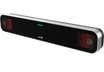
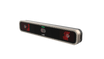
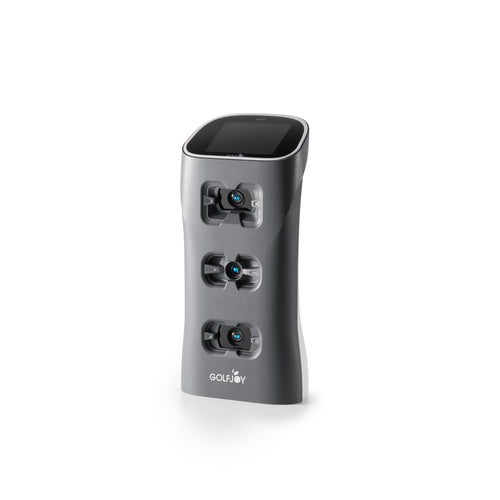
One of the reasons GOLFJOY Spica 3 has started attracting more attention recently is because the system was designed around indoor simulator usability rather than simply chasing specification numbers alone.
The Spica 3 combines:
- triple high-speed camera tracking
- 27 data points
- GSPro compatibility
- no third-party connection fee
- built-in touchscreen display
- support for standard golf balls
- portable indoor/outdoor workflow
Rather than positioning itself purely around entry-level pricing, the system focuses more heavily on balancing:
- indoor consistency
- software flexibility
- low setup friction
- real-world usability
This is especially relevant for golfers who primarily practice indoors and want a system that integrates smoothly into a long-term simulator setup.
Why Home Simulator Buyers Are Looking Beyond Hardware Alone
As simulator technology becomes more accessible, golfers are starting to evaluate complete ownership experience rather than focusing only on raw hardware specifications.
That includes:
- software compatibility
- simulator setup complexity
- subscription structure
- practice workflow
- installation simplicity
- upgrade flexibility
For many golfers, the ideal setup is not necessarily the most expensive system on the market.
Instead, the goal is often finding the right balance between:
- performance
- usability
- long-term practicality
- software freedom
- overall value
This is also why more golfers researching home simulator setups are spending time comparing different launch monitor categories based on use case:
What Is the Best Launch Monitor for My Budget?
and
Best Launch Monitor for Home Use: Budget vs Premium Explained
Why Indoor Simulator Buying Decisions Are Changing
The indoor golf simulator market has evolved significantly over the last few years.
For many golfers, the buying decision is no longer only about launch monitor price or brand reputation. Instead, factors such as indoor consistency, software flexibility, setup simplicity, long-term ownership cost, and overall usability have become increasingly important.
This shift is one of the reasons camera-based systems such as GOLFJOY Spica 3 are becoming more relevant in today’s simulator market.
As indoor golf technology continues improving, golfers are increasingly prioritizing systems that combine:
- accurate indoor tracking
- realistic simulator workflow
- software freedom
- minimal setup friction
- strong long-term usability
Rather than simply chasing the biggest brand name, more simulator buyers are now evaluating how well a system actually fits their long-term indoor practice environment.