










If you’ve ever looked at your golf simulator data and wondered why your ball speed doesn’t match your swing speed—the answer usually comes down to one simple metric:
👉 Smash Factor.
It’s one of the most important numbers for golfers trying to increase distance, measure swing efficiency, or fine-tune driver performance in a launch monitor or simulator.
📌 Quick Answer: What Is a Good Smash Factor for a Driver?
A good smash factor for a driver is 1.45–1.50, and 1.50 is considered tour-level efficiency.
This means your swing is transferring energy efficiently into the golf ball — not leaking it through mishits, poor strike location, or inefficient delivery.
What Is Smash Factor in Golf?
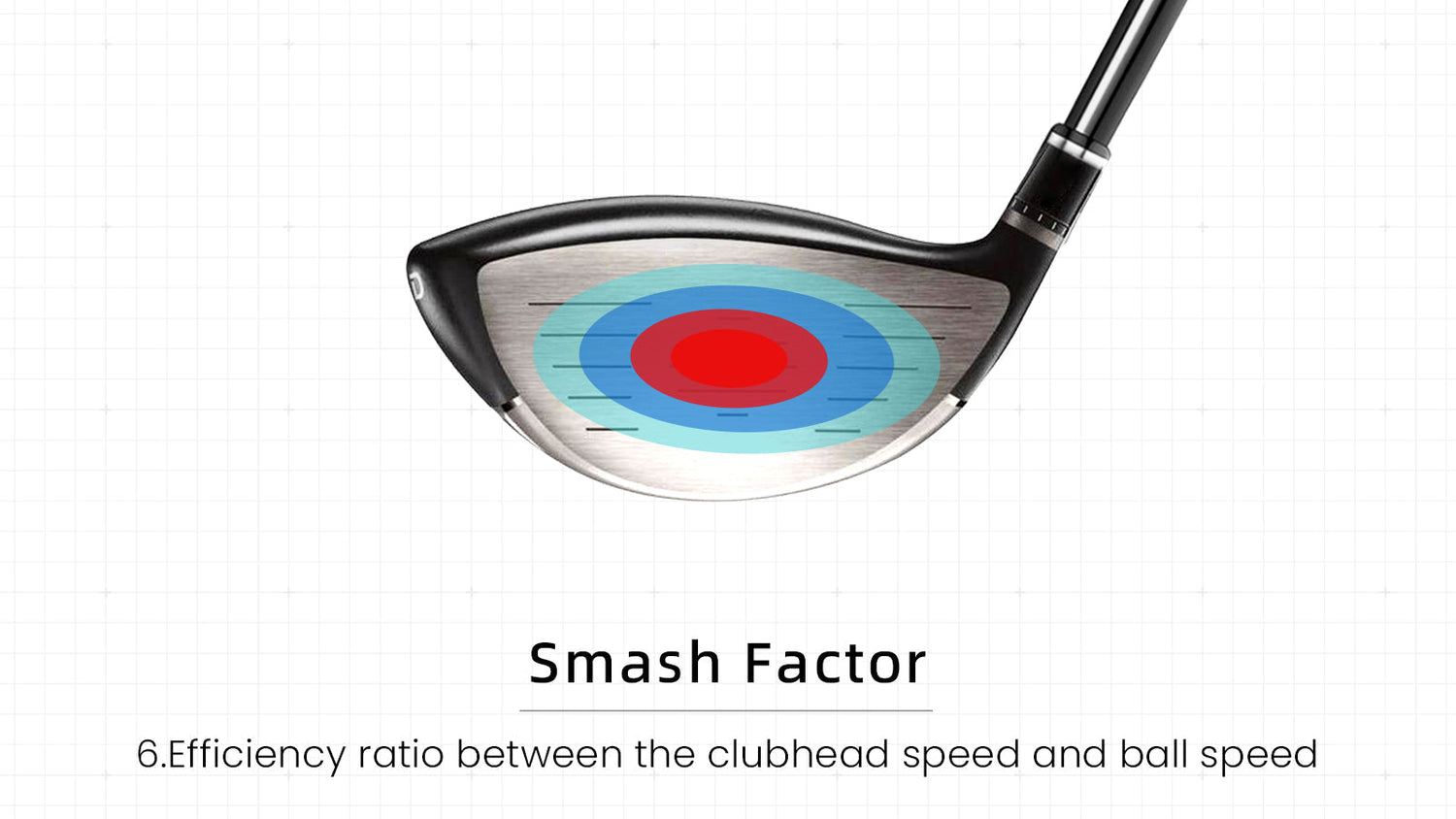
Smash factor is the ratio between ball speed and clubhead speed.
It tells you how efficiently you transfer energy from the club to the ball.
The formula is:
Smash Factor = Ball Speed ÷ Clubhead Speed
Example:
- 150 mph ball speed
- 100 mph club speed
➡️ Smash factor = 1.50
A higher smash factor means better energy transfer — typically from center-face contact, optimized loft, and proper delivery.
What Is a Good Smash Factor for Different Clubs?
| Club Type | Typical Average | Excellent Value |
|---|---|---|
| Driver | 1.45–1.50 | 1.50 |
| Fairway Wood | 1.42–1.47 | 1.47 |
| Hybrid | 1.38–1.45 | 1.45 |
| Irons | 1.30–1.40 | — |
| Wedges | 1.10–1.25 | — |
These values will vary depending on swing speed, face contact, and course or simulator conditions — but they provide a helpful benchmark.
Why Smash Factor Matters More Than Swing Speed
Many golfers focus only on swing speed — but swing speed without ball speed doesn’t help distance.
For example:
| Golfer A | Golfer B |
|---|---|
| 105 mph swing | 105 mph swing |
| 150 mph ball speed | 138 mph ball speed |
| Smash Factor: 1.50 | Smash Factor: 1.31 |
| Result: Optimal distance | Result: Lost distance |
This is why smash factor is commonly used by golf instructors, club fitters, and simulator golfers to diagnose:
- Off-center hits
- Loft inefficiency
- Face angle and strike quality
- Equipment mismatch
How Smash Factor Is Measured in Golf Simulators
Modern launch monitors and simulator software measure smash factor by tracking:
- Clubhead speed
- Ball speed
- Impact dynamics
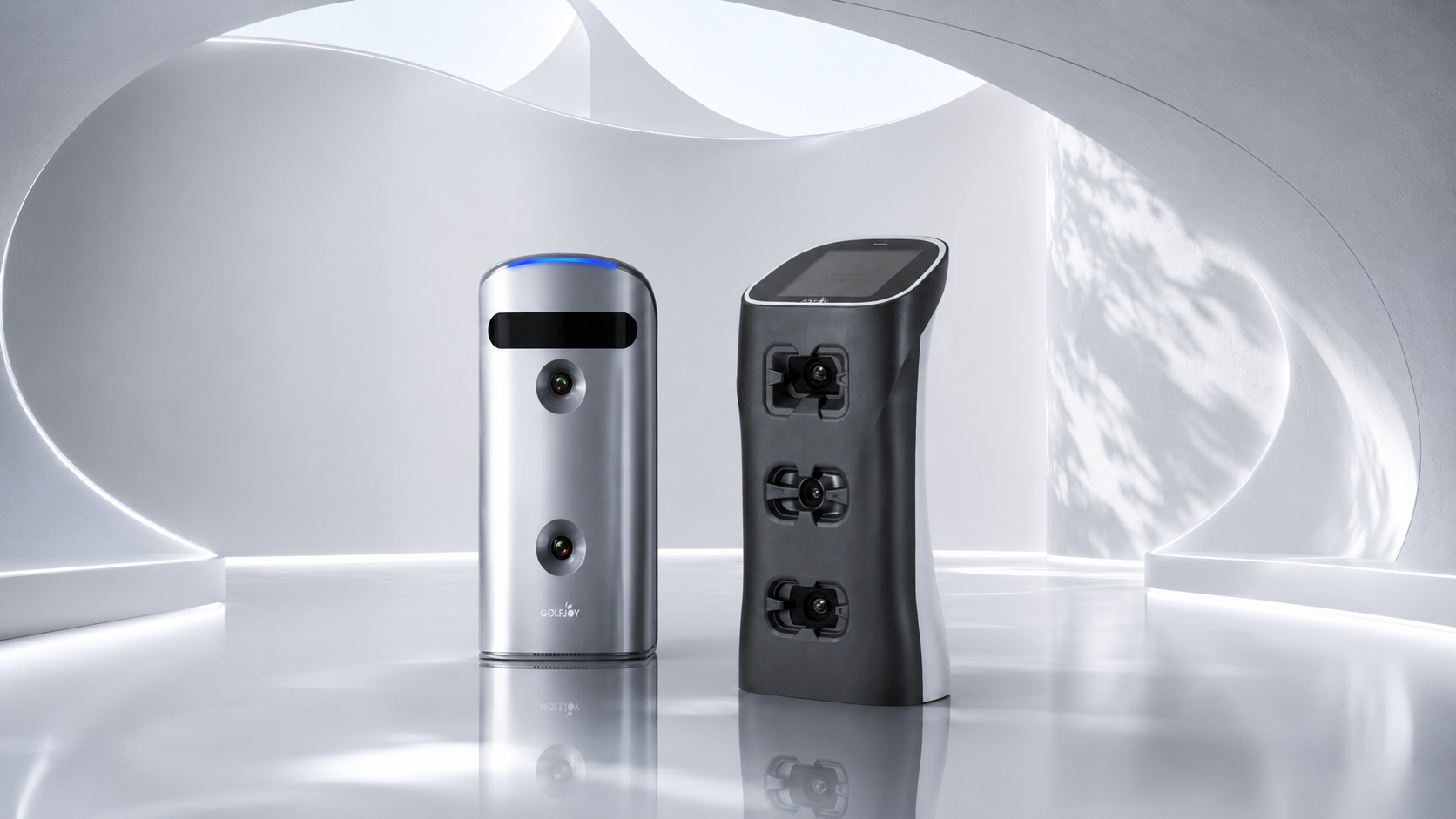
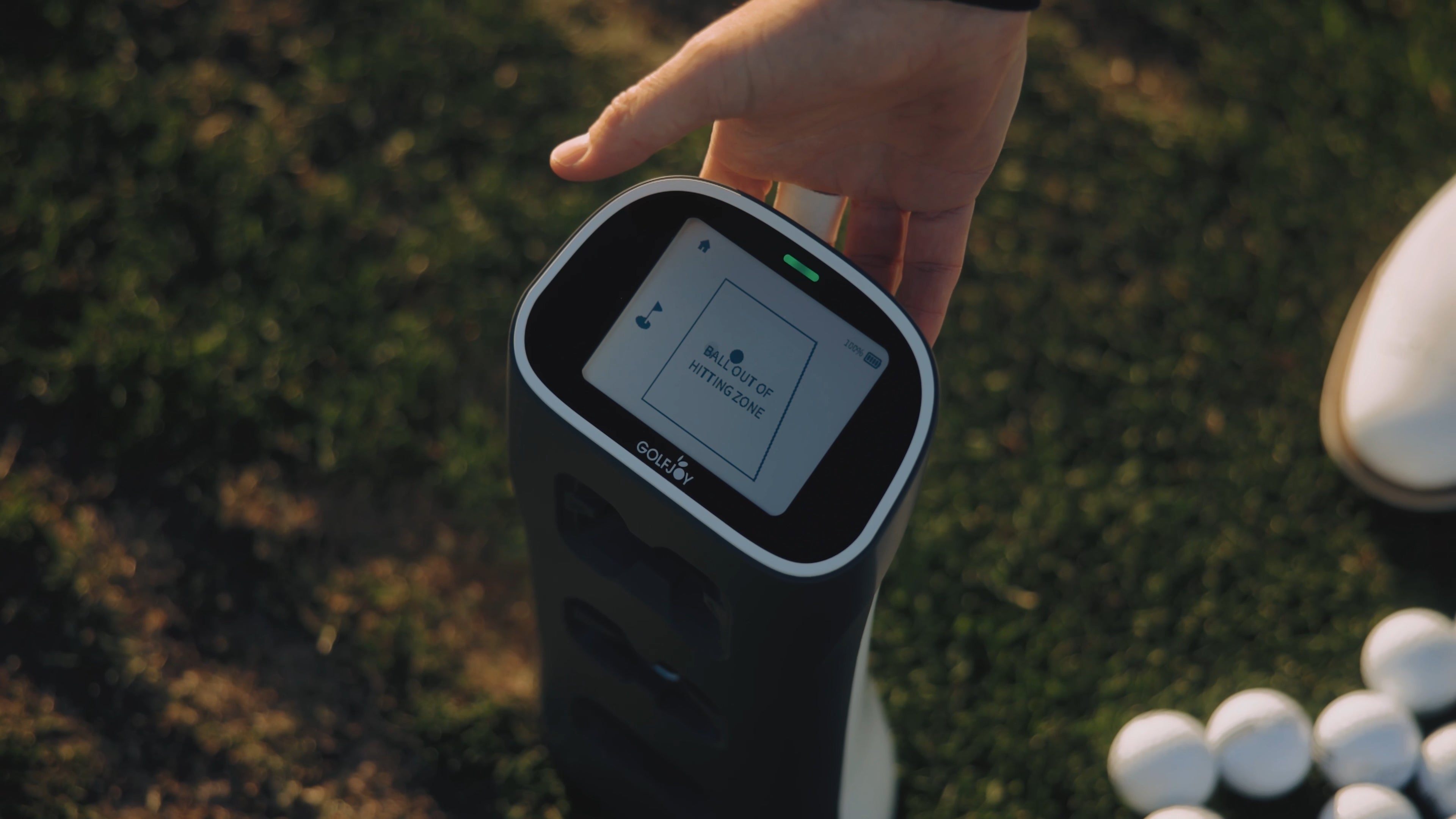
In platforms like GOLFJOY, smash factor is one of the key club metrics provided, giving players a clear look at energy transfer efficiency during practice and gameplay.
Because smash factor sits alongside other data points — such as launch angle, club path, and spin — players can understand not just what happened, but why.
Does Equipment Affect Smash Factor?
Yes — especially with the driver.
These factors influence smash factor:
- Face flexibility / COR
- Loft matching your attack angle
- Shaft profile
- Ball compression
- Face contact consistency
Even a perfect swing can lose efficiency if the equipment isn’t matched properly.
How to Improve Your Smash Factor
Here are actionable adjustments that can increase smash factor:
✔Focus on center-face contact
✔Tee height adjustment
✔Optimize strike location (slightly high and centered on driver)
✔Improve delivery (less glancing, more square impact)
✔Match launch conditions to your driver setup
✔Practice with feedback in a launch monitor or simulator
Training with precise feedback — especially in a golf simulator — makes improvement measurable, repeatable, and easier to track over time.
Smash Factor FAQs
1. Is smash factor more important than swing speed?
Yes — without efficient transfer, swing speed alone won’t maximize distance.
2. Can smash factor change without increasing swing speed?
Absolutely — better contact, delivery, and optimized driver setup can increase it.
3. Does the golf ball affect smash factor?
Yes — premium balls with consistent compression produce better energy transfer.
Final Thoughts: Why Smash Factor Should Be Part of Your Practice Routine
Whether you're working on gaining distance, improving consistency, or maximizing the value of home simulator practice, smash factor provides one of the clearest indicators of real performance progress.
By tracking ball speed, club speed, and smash factor together — especially through simulator data platforms like GOLFJOY — golfers get measurable, repeatable insight into efficiency, contact quality, and impact optimization.
Improving smash factor isn’t just about swinging faster —
it’s about swinging smarter.


Leave a comment
All comments are moderated before being published.
This site is protected by hCaptcha and the hCaptcha Privacy Policy and Terms of Service apply.