







Choosing the right golf simulator setup is no longer just about launch monitor accuracy.
For many golfers, coaches, and indoor golf businesses, the bigger question is now: Should you choose an overhead simulator or a floor-mounted system?
Both options can deliver realistic simulator experiences, but they create very different workflows, room layouts, and user experiences.
The best setup depends on how you practice, how many players use the system, and how your simulator space is designed.
What Is an Overhead Golf Simulator?
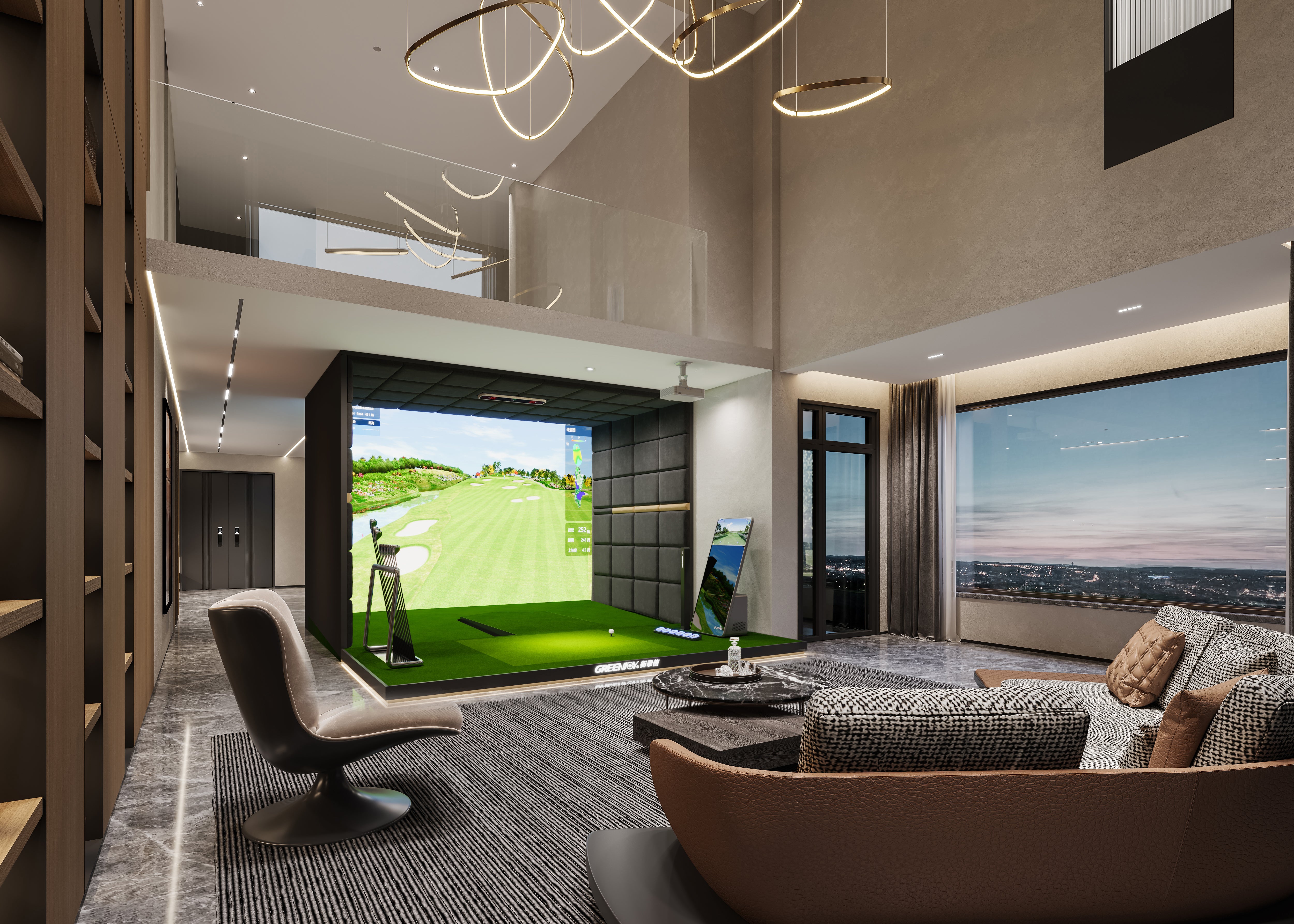
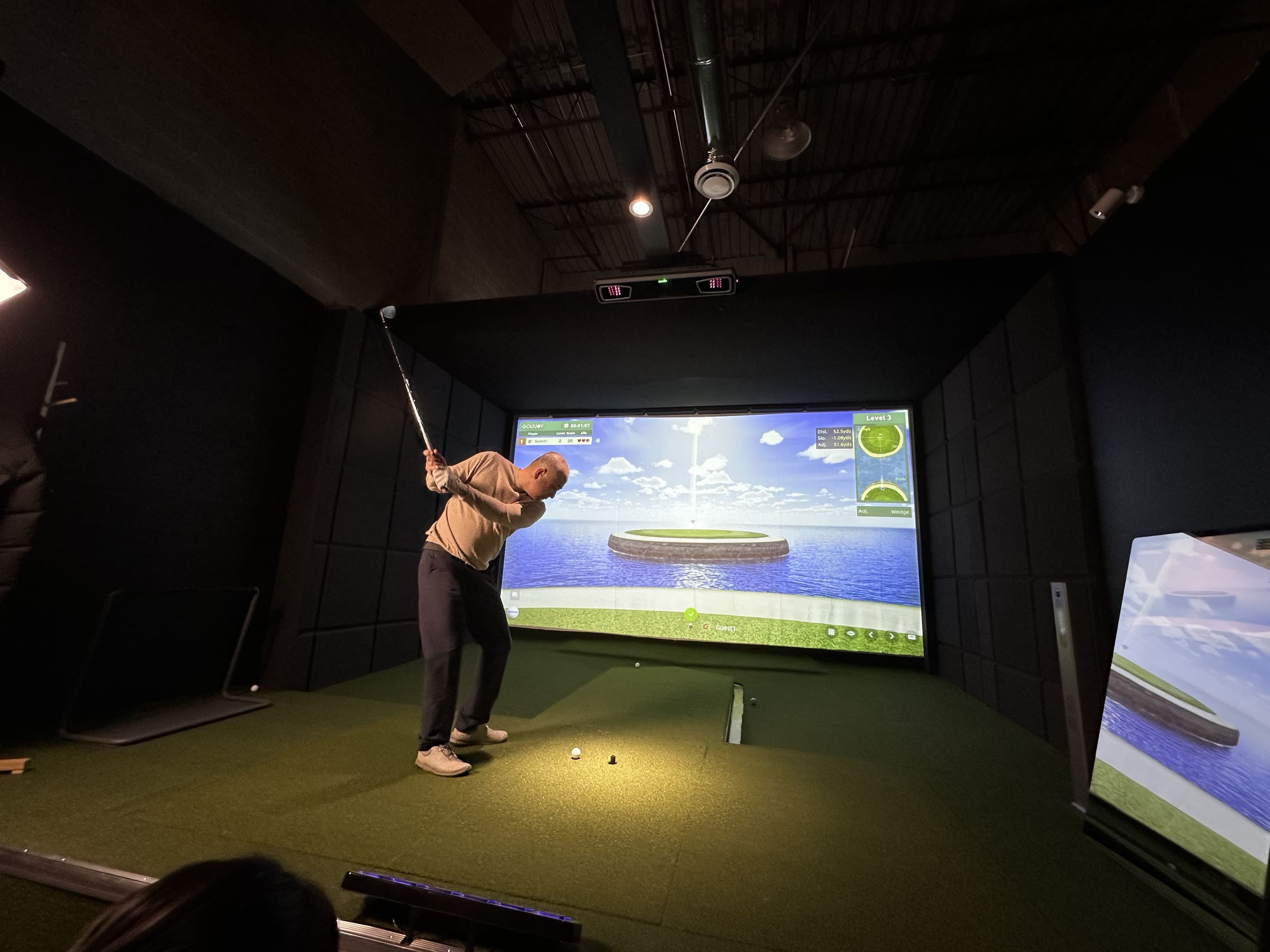
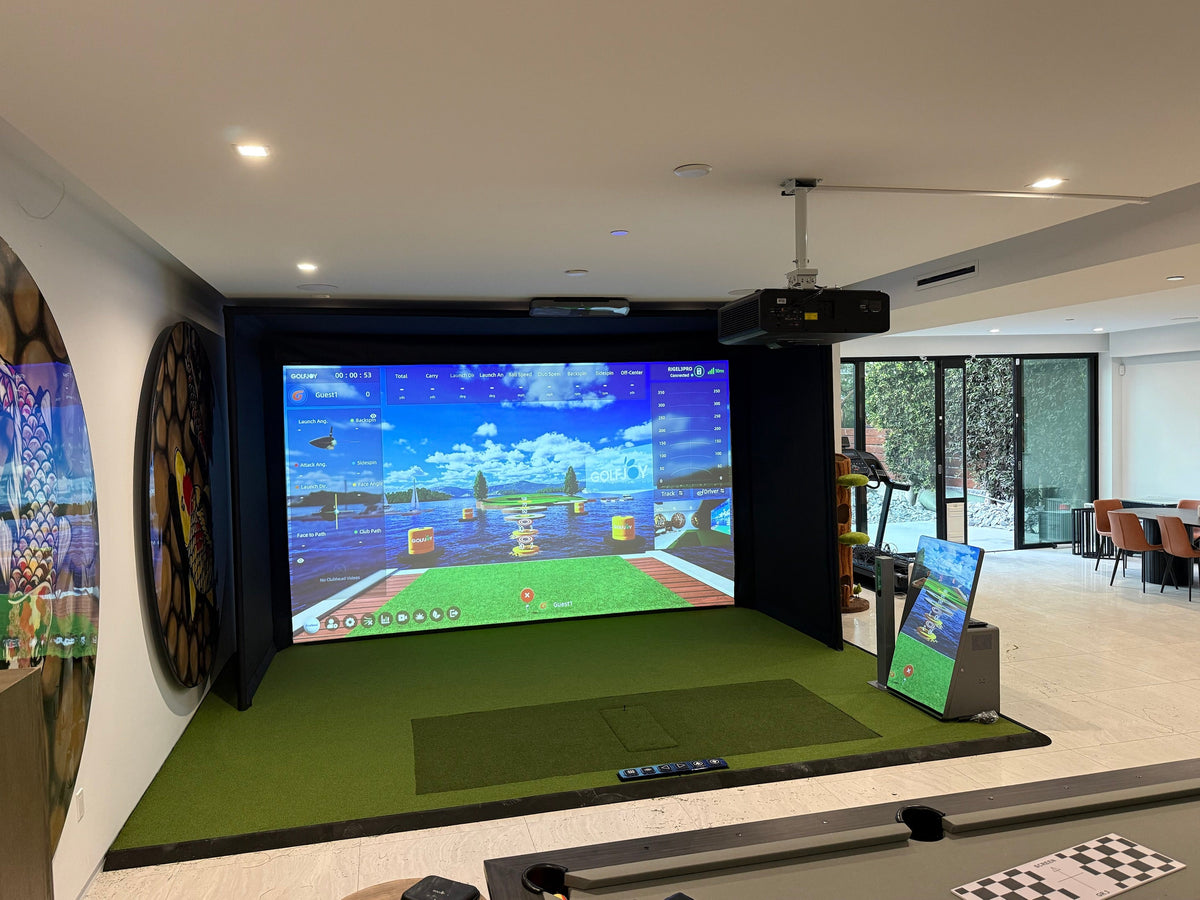
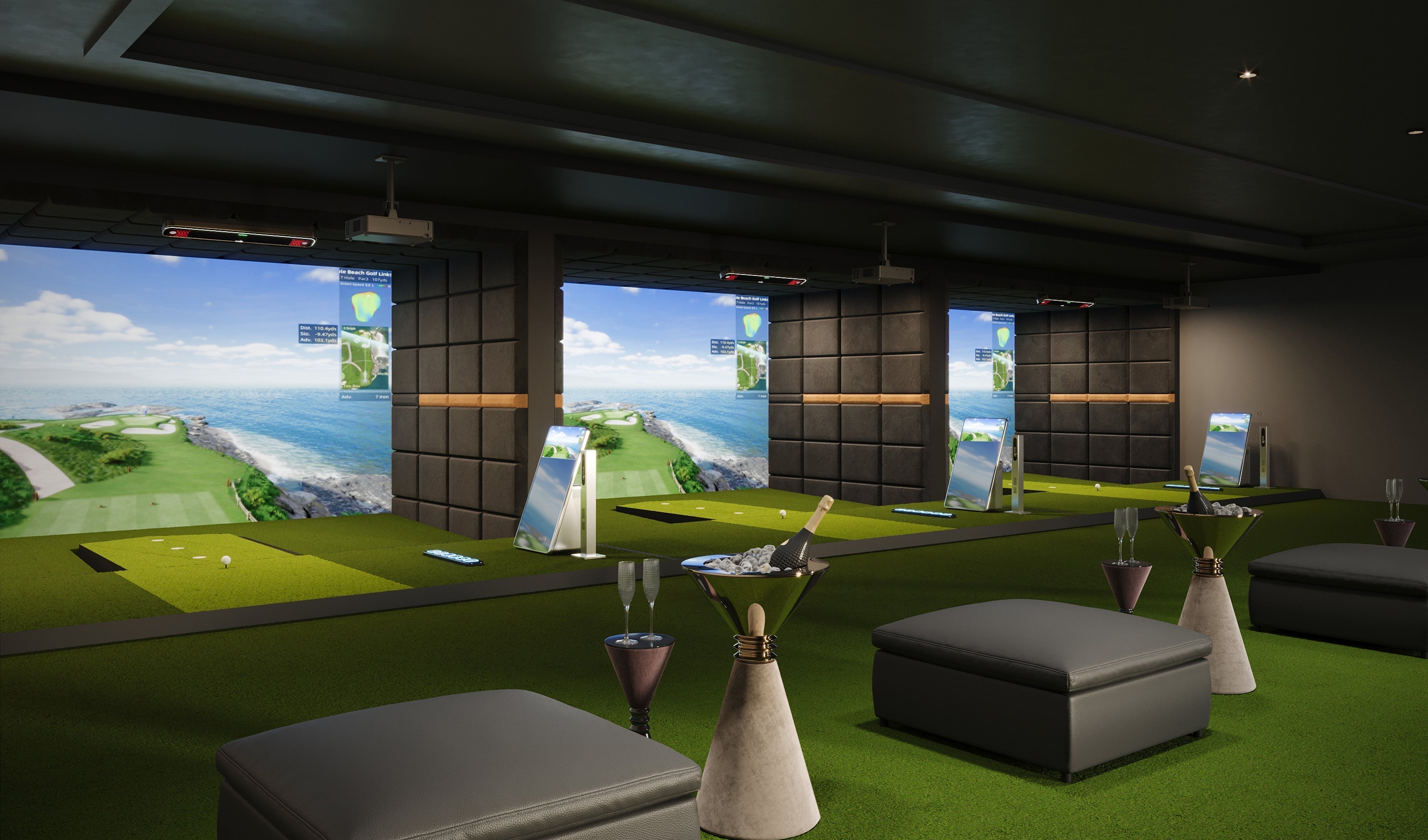
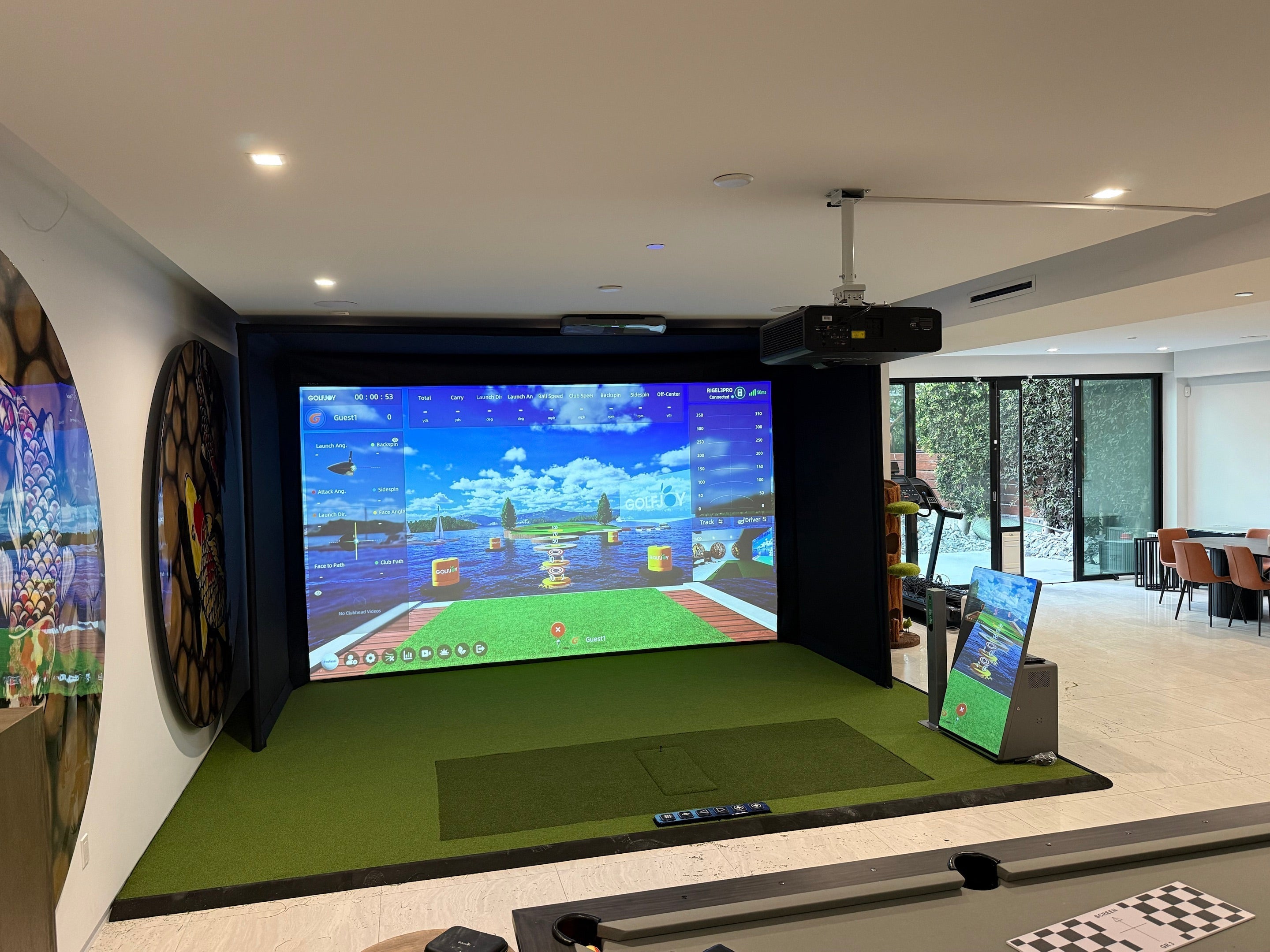
An overhead golf simulator uses a launch monitor mounted above the hitting area, typically attached to the ceiling structure.
Instead of placing the device on the floor beside or behind the golfer, the tracking system remains suspended overhead.
This type of setup has become increasingly popular in:
- Indoor golf venues
- Commercial simulator businesses
- Coaching studios
- Premium home simulator rooms
Modern overhead systems are designed to create a cleaner hitting area while reducing setup interruptions during simulator sessions.
What Is a Floor-Mounted Golf Simulator?
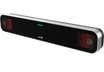
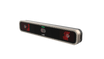
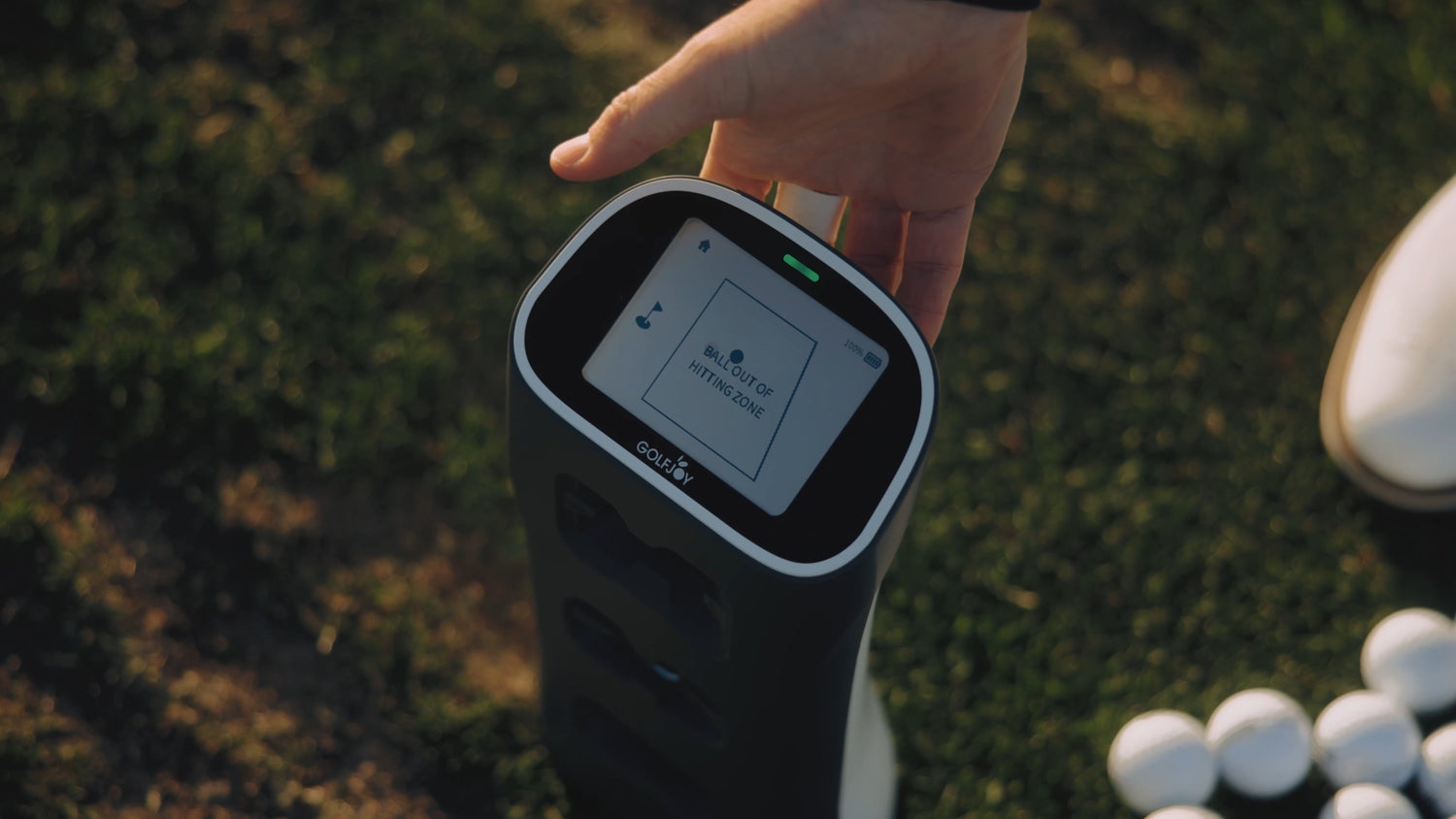
A floor-mounted golf simulator places the launch monitor directly on the ground, either beside the golfer or behind the hitting area.
This remains one of the most common setup styles because it is often simpler to install and easier to move between practice environments.
Floor-mounted systems are commonly used for:
- Home practice
- Portable simulator setups
- Garage golf simulators
- Driving range practice
Why Overhead Golf Simulators Are Becoming More Popular
The rise of indoor golf businesses has increased demand for overhead launch monitor systems.
One major reason is user flow.
With floor-mounted systems, players often need to move the launch monitor depending on whether a golfer is right-handed or left-handed.
Overhead systems reduce this interruption because the tracking unit remains fixed above the hitting zone.
This creates a smoother simulator experience for multi-player environments.
Overhead systems also help create:
- Cleaner hitting areas
- Less risk of accidental contact with the device
- Simpler player rotation
- More professional simulator bay aesthetics
For indoor golf businesses, these operational details can improve customer experience during busy sessions.
Advantages of Floor-Mounted Golf Simulators
Floor-mounted systems still offer important advantages, especially for golfers who value flexibility and portability.
Many players prefer floor-mounted launch monitors because they:
- Require less permanent installation
- Can move between indoor and outdoor practice
- Work well for garage or temporary setups
- Allow easier transport between locations
This flexibility is one reason portable systems remain popular among home golfers and coaches.
Modern floor-mounted systems are also becoming increasingly compact and simulator-friendly.
Overhead vs Floor-Mounted: Accuracy Differences
Accuracy depends more on the quality of the launch monitor technology than the mounting position itself.
Both overhead and floor-mounted systems can deliver highly detailed ball and club data when properly calibrated.
However, overhead systems may offer practical advantages in simulator environments because the tracking position remains consistent.
Floor-mounted systems can still perform extremely well, but setup alignment and hitting-zone positioning may require more attention depending on the environment.
The most important factor is not simply overhead vs floor—it is the tracking technology, software ecosystem, and how the system fits your simulator space.
Which Setup Is Better for Indoor Golf Businesses?
For commercial simulator environments, overhead systems are becoming increasingly common.
Indoor golf venues often prioritize:
- Fast player switching
- Cleaner bay layouts
- Reduced operational interruptions
- Professional presentation
- Consistent multi-player usability
These factors can directly affect customer satisfaction during simulator sessions.
Overhead systems also help reduce the chance of golfers accidentally striking or moving the launch monitor.
For simulator venues operating multiple bays daily, operational consistency matters as much as raw tracking performance.
Which Setup Is Better for Home Golf Simulators?
Home golfers often prioritize different factors than commercial venues.
Many home users care more about:
- Space efficiency
- Ease of setup
- Budget flexibility
- Portability
- Multi-purpose room usage
For some golfers, a floor-mounted system may be the easier starting point because it can work in garages, basements, or temporary practice spaces.
However, dedicated home simulator rooms are increasingly adopting overhead systems for a cleaner permanent setup.
How GOLFJOY Fits into Both Simulator Categories
GOLFJOY supports both portable and overhead-style simulator environments through different product categories.
Portable systems such as Spica 3 are designed for flexible indoor and outdoor practice, home simulation, and coaching environments.
At the same time, GOLFJOY overhead simulator solutions are designed for dedicated indoor golf environments where cleaner layouts, multi-player usability, and simulator bay efficiency matter more.
This flexibility allows golfers and commercial operators to choose a simulator ecosystem based on their actual usage—not just one installation style.
Common Buying Mistakes
Choosing Based Only on Appearance
A cleaner overhead setup may look more professional, but golfers should still evaluate tracking quality, software compatibility, and room requirements.
Ignoring Player Type
Multi-player simulator venues often benefit more from overhead systems than single-user practice spaces.
Not Thinking About Long-Term Use
Some golfers start with portable setups and later transition into permanent simulator rooms.
Choosing a flexible ecosystem can make future upgrades easier.
Final Verdict: Overhead vs Floor-Mounted Golf Simulators
Both overhead and floor-mounted golf simulators can deliver excellent simulator experiences.
Overhead systems are becoming increasingly popular in commercial and dedicated simulator environments because they improve workflow, cleanliness, and player rotation.
Floor-mounted systems remain highly practical for golfers who value portability, easier setup, and indoor/outdoor flexibility.
The best choice depends on your space, player type, and long-term simulator goals.
Need Help Choosing the Right Golf Simulator Setup?
Talk to the GOLFJOY US team to compare overhead and floor-mounted simulator solutions for home practice, coaching, or commercial indoor golf use.
FAQs About Overhead vs Floor-Mounted Golf Simulators
Are overhead golf simulators more accurate?
Accuracy depends more on the launch monitor technology and calibration than the mounting position itself.
Why do commercial simulator venues prefer overhead systems?
Overhead systems can improve player flow, reduce setup interruptions, and create cleaner simulator bays.
Are floor-mounted systems better for home golf simulators?
For many golfers, floor-mounted systems are easier to install and move between indoor and outdoor practice environments.
Can overhead simulators work for left and right-handed golfers?
Yes. One advantage of overhead systems is that the launch monitor remains fixed above the hitting zone, reducing the need to move the device between players.
Which simulator setup is more portable?
Floor-mounted systems are generally more portable because they can be moved between locations more easily.

Leave a comment
All comments are moderated before being published.
This site is protected by hCaptcha and the hCaptcha Privacy Policy and Terms of Service apply.