







The question “what is the best virtual golf simulator?” has become increasingly difficult to answer as launch monitor technology, simulator software, and indoor golf systems continue to evolve. Today, the best solution depends not only on accuracy, but also on software compatibility, installation flexibility, long-term value, and whether the simulator is designed for home or commercial use.
Over the past decade, the golf simulator market has split into two extremes:
This divide has created a persistent gap in the market. Most users—whether individual golfers or business operators—are forced to compromise between performance, cost, and usability.
At the same time, traditional golf practice still faces real limitations:
As a result, demand for reliable, always-available simulation environments has grown rapidly—but the technology has not always kept pace with user expectations.
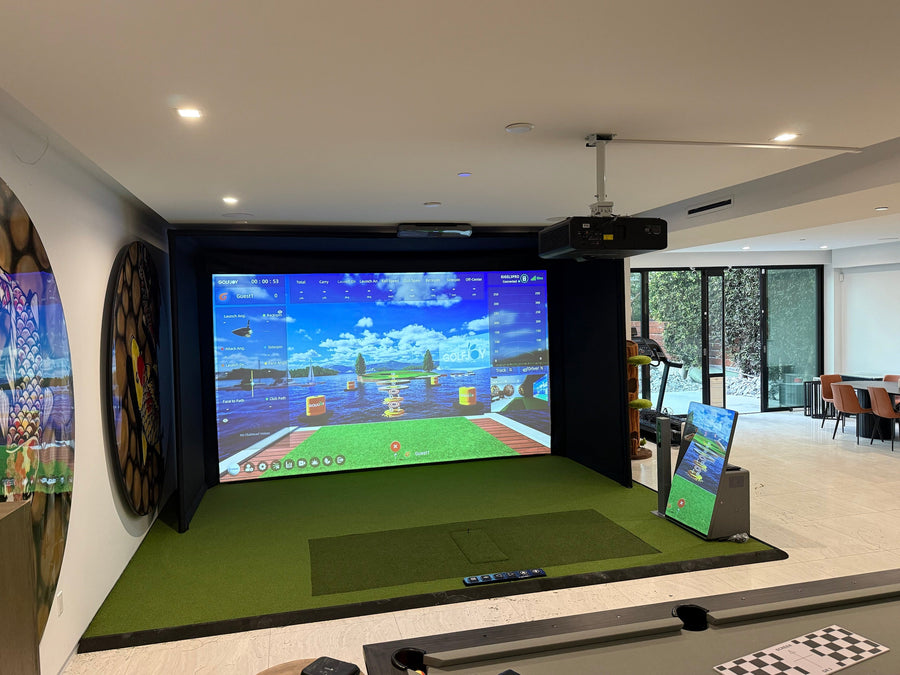
Golfers searching for the best virtual golf simulator today are no longer comparing hardware alone. They are comparing complete indoor golf solutions that combine launch monitors, simulator software, projection systems, enclosures, and room design.

To understand what defines the best virtual golf simulator, you have to look beyond price and focus on a deeper issue:
👉 The industry has historically struggled to deliver accurate data at an accessible price point.
For years:
This left a large segment underserved:
In short, the market needed a new category:
👉 practical, high-accuracy simulation that works in real-world environments
The definition of the best virtual golf simulator is changing—driven by a shift in underlying technology.
Traditional systems relied heavily on radar-based tracking. While accurate, they can be:
Newer systems are increasingly built on:
This approach can support:
Modern users expect more than basic ball tracking.
Advanced systems now capture:
Some modern systems provide 30 or more ball, club, and trajectory metrics, enabling:
Without this level of detail, even the most visually impressive simulator can fall short as a serious training tool.
Another major shift:
👉 software is becoming just as important as hardware.
The best virtual golf simulator today should deliver:
Game engines such as Unreal Engine are now powering simulation platforms, making virtual golf feel closer to real play than ever before.
For many buyers, choosing the right launch monitor is now only one part of the decision. A complete home or indoor golf simulator solution should also consider enclosure design, projector quality, simulator software, room dimensions, and long-term upgrade options.
Based on current industry trends, the “best” system is no longer defined by brand alone—but by how well it balances four key factors:
Reliable and repeatable ball and club data is essential for both training and entertainment.
Systems should perform consistently:
The system should adapt to:
Compatibility with platforms such as GSPro or E6 CONNECT can improve long-term usability and give users more choice.
The market is now moving toward a more balanced model:
👉 Professional-level performance without enterprise-level complexity
This includes:
This shift is redefining expectations for the best virtual golf simulator in 2026.
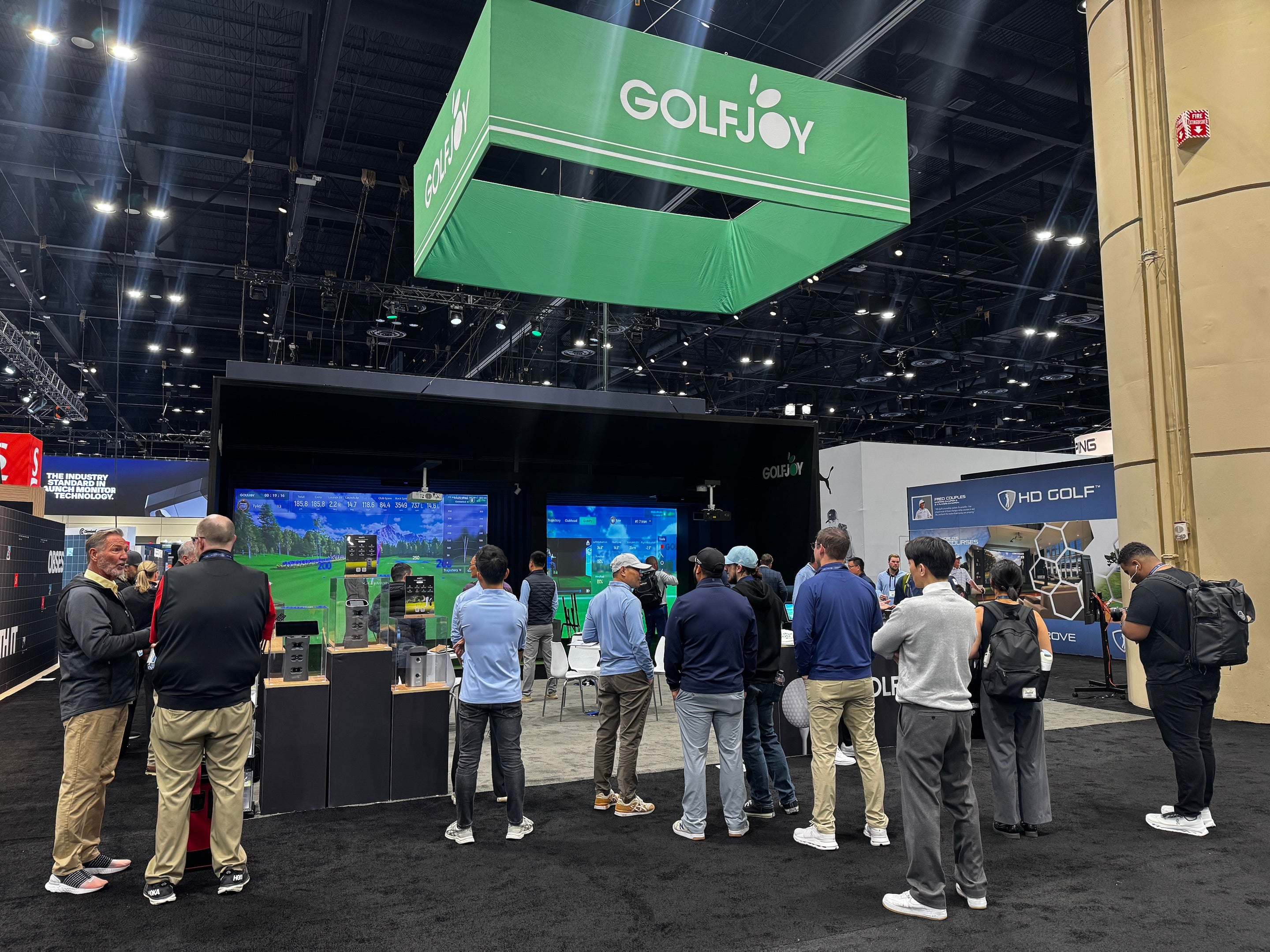
Within this evolving landscape, GOLFJOY represents one example of how the industry is changing.
Instead of focusing purely on premium positioning or low-cost entry points, the company addresses a specific gap:
👉 delivering high-precision simulation in a more practical and scalable format
GOLFJOY systems are built around:
This supports:

GOLFJOY offers tiered system options for different applications, including:
Depending on the selected configuration, systems may include:
Whether you are planning a dedicated golf room, a garage simulator, or a commercial venue, choosing a complete indoor golf simulator solution can deliver a more consistent long-term experience than selecting individual components without a room plan.
GOLFJOY integrates:
This broader ecosystem approach gives users more flexibility when planning a home, coaching, or commercial simulator setup.
The technology can be used across multiple scenarios:
These applications reflect a broader shift toward scalable, data-driven golf experiences.
As camera and AI technology improve, advanced measurement capabilities will continue moving into a wider range of systems.
Course libraries, training tools, online play, and user experience will increasingly define competitive advantage.
Unattended and automated golf venues may become more common, especially in urban markets where space and staffing efficiency matter.
As adoption grows, golfers will increasingly expect clearer definitions and more consistent presentation of metrics such as spin, launch conditions, and club delivery.
So what is the best virtual golf simulator?
It is no longer simply the most expensive system or the most well-known brand.
The best solution is the one that delivers:
As technology continues to evolve, the gap between professional performance and everyday accessibility is narrowing.
High-quality golf simulation is becoming not just a luxury, but a practical tool for players, coaches, and businesses.
The best virtual golf simulator for home use depends on your room size, preferred software, budget, installation needs, and the level of ball and club data you want. Many golfers prioritize a balance of accuracy, software compatibility, and ease of use rather than price alone.
Yes. Modern simulator systems can provide launch data, club analysis, video feedback, target practice, and structured training modes that help golfers work on consistency throughout the year.
Key considerations include launch monitor technology, measured data, simulator software, projector and screen quality, enclosure design, ceiling height, room dimensions, warranty, and future upgrade options.
Both technologies can work indoors, but camera-based systems are often well suited to rooms with limited ball-flight distance because they capture the ball and club around impact. The better choice depends on your space, setup requirements, and preferred data.
Some core technologies can be used in both settings, but commercial projects usually require more durable room construction, centralized management, longer operating hours, multi-bay planning, and stronger service support.
Whether you are building your first simulator room or planning a larger indoor golf project, GOLFJOY offers solutions for different spaces and applications.
Explore GOLFJOY’s Home and Indoor Golf Simulator Solutions, compare available Launch Monitors, or review GOLFJOY simulator software for training and virtual course play.
Submit your information and our team will follow up with you.