







If you’ve been researching how much to build a golf simulator, you’ve probably noticed something frustrating:
Prices are all over the place.
Some setups cost $3,000, others go well beyond $50,000+—and somehow, both claim to be “accurate.”
So what’s the truth?
This guide breaks down what actually matters, and what you should avoid—whether you’re building a home setup or planning a commercial indoor golf space.
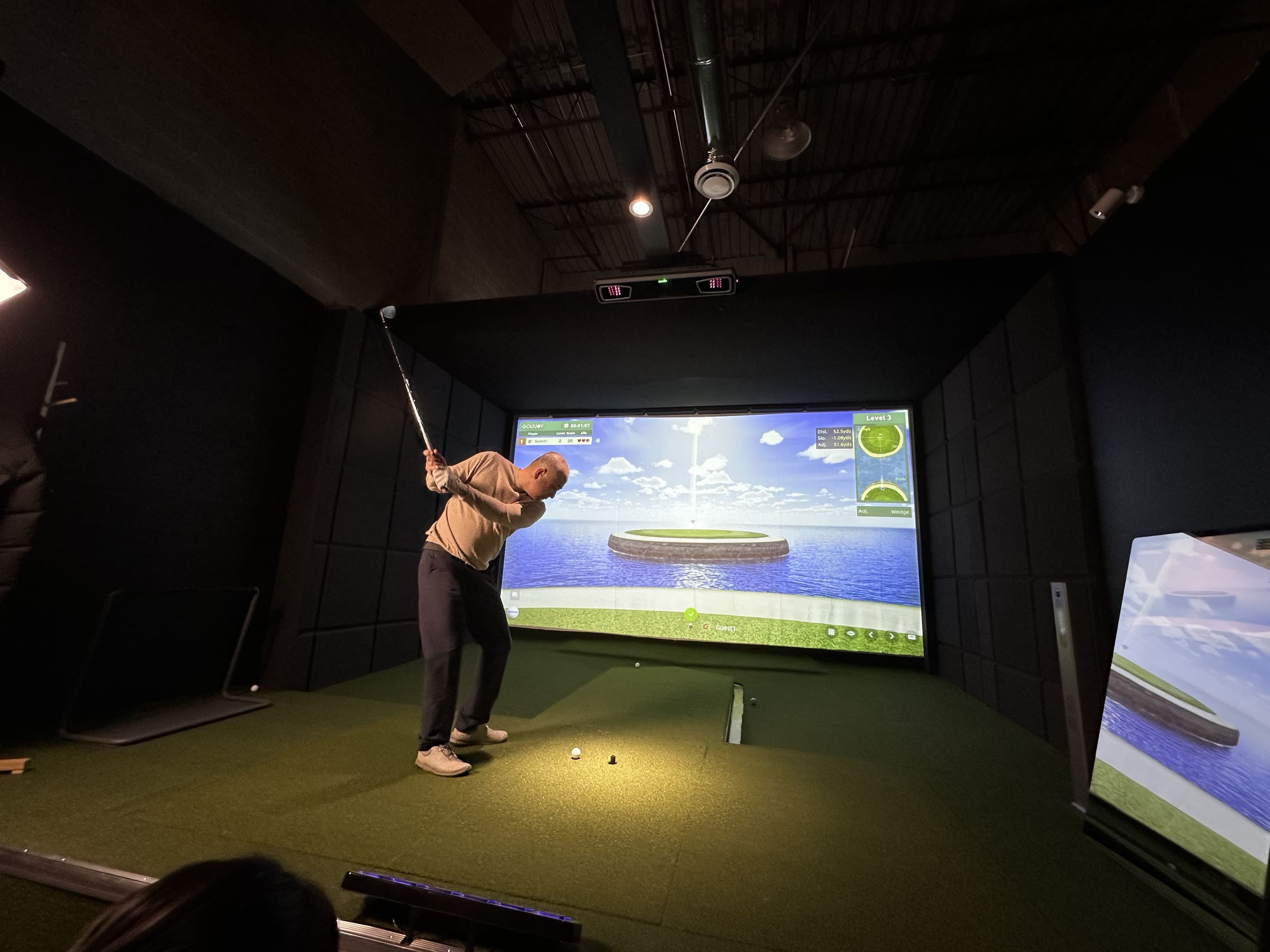
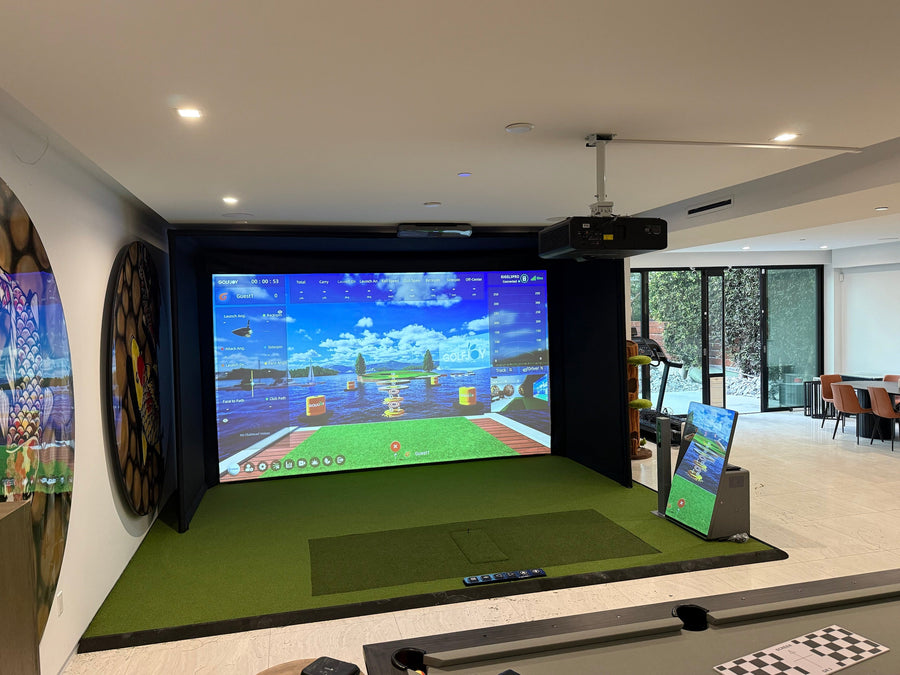
A golf simulator isn’t a single product—it’s a complete system made up of multiple components working together.
This is the most important part of any simulator—and where the biggest differences exist.
Lower-tier systems often struggle with:
More advanced systems provide:
👉 This is the difference between casual gameplay and structured training.
A complete setup typically includes:
For high-resolution simulation, system performance becomes critical. Many setups underperform not because of the simulator—but because of hardware limitations.
👉 Balanced system configuration is essential for a smooth experience.
Modern golf simulators are powered by software ecosystems.
Typical features include:
Compatibility also matters. Systems that support multiple platforms provide greater long-term flexibility.
👉 Open ecosystems help future-proof your setup.
Space planning is often overlooked but critical for performance and safety.
👉 Insufficient space can limit both swing mechanics and simulator accuracy.
In the past, higher performance systems were typically associated with more complex and specialized setups.
That’s beginning to change.
Advancements in camera-based tracking and data modeling are allowing modern systems to deliver:
👉 System design and technology approach now play a bigger role than ever.
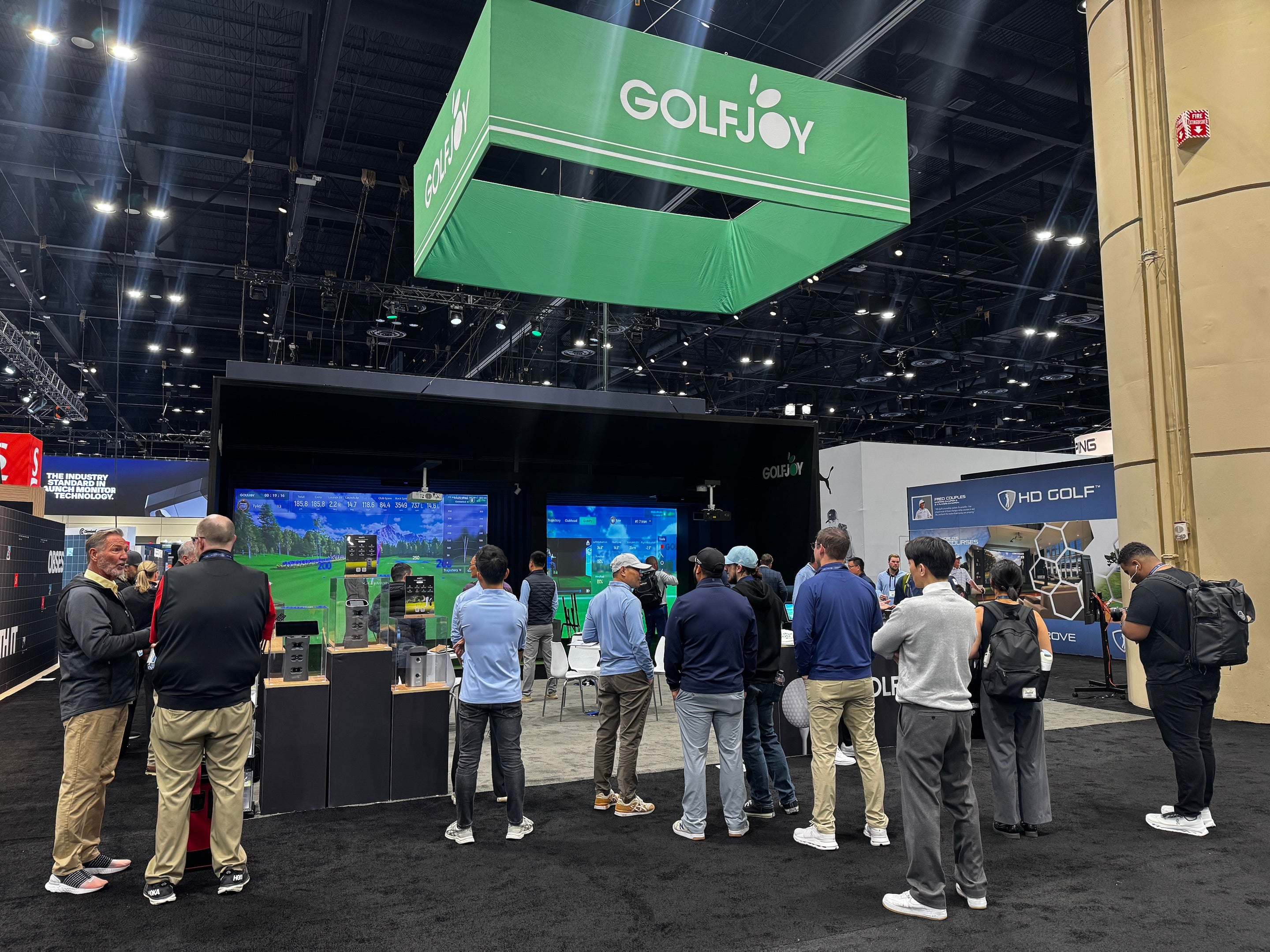
GOLFJOY focuses on combining accuracy, usability, and flexible deployment into a single system.
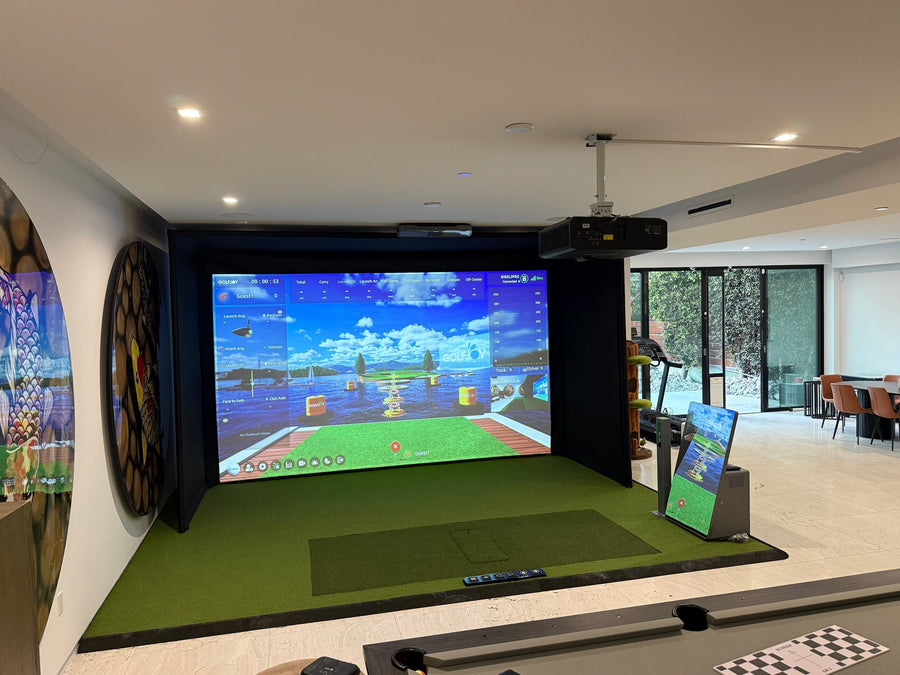
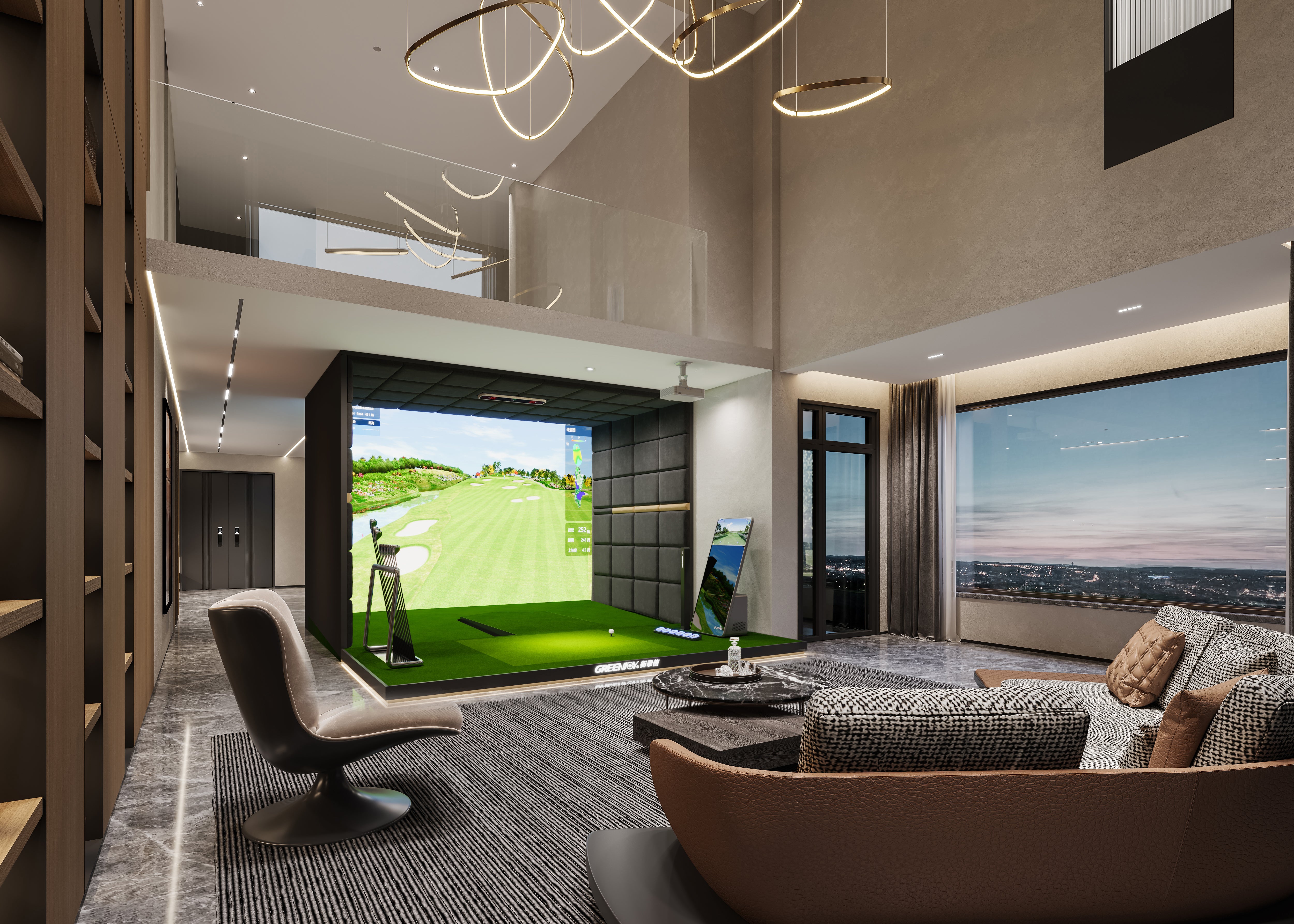
Its system configurations (S100–S500) allow adaptation across different environments, including:
👉 The focus is on delivering consistent performance across different use cases.
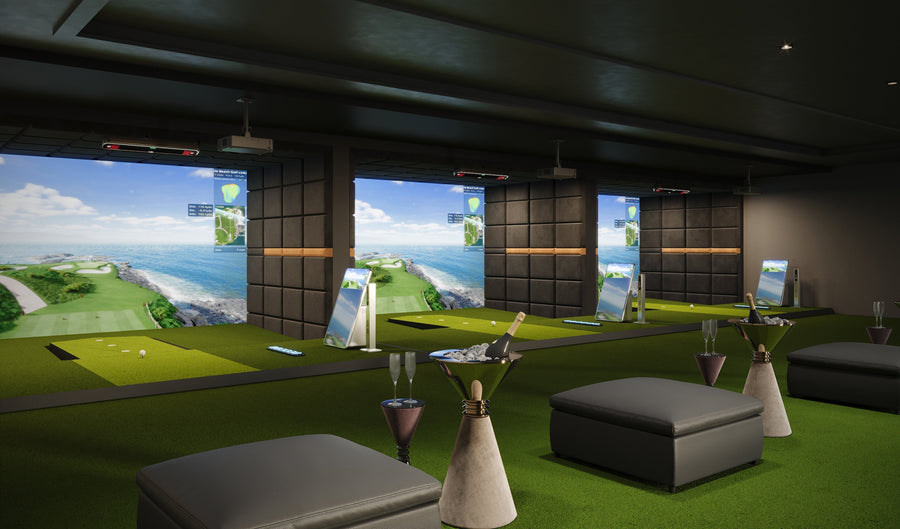
Indoor golf is increasingly being used beyond personal practice.
Common applications include:
For these environments, key considerations include:
👉 System reliability directly impacts long-term operation.
The right system depends on how you plan to use it:
👉 Defining your use case clearly will guide better decisions.
The golf simulator market continues to evolve with improvements in tracking technology, software, and system design.
Modern systems are built to support:
As technology advances, the focus is shifting toward reliability, flexibility, and overall user experience.
And that’s why more people are integrating indoor golf into their everyday environments.
Submit your information and our team will follow up with you.