





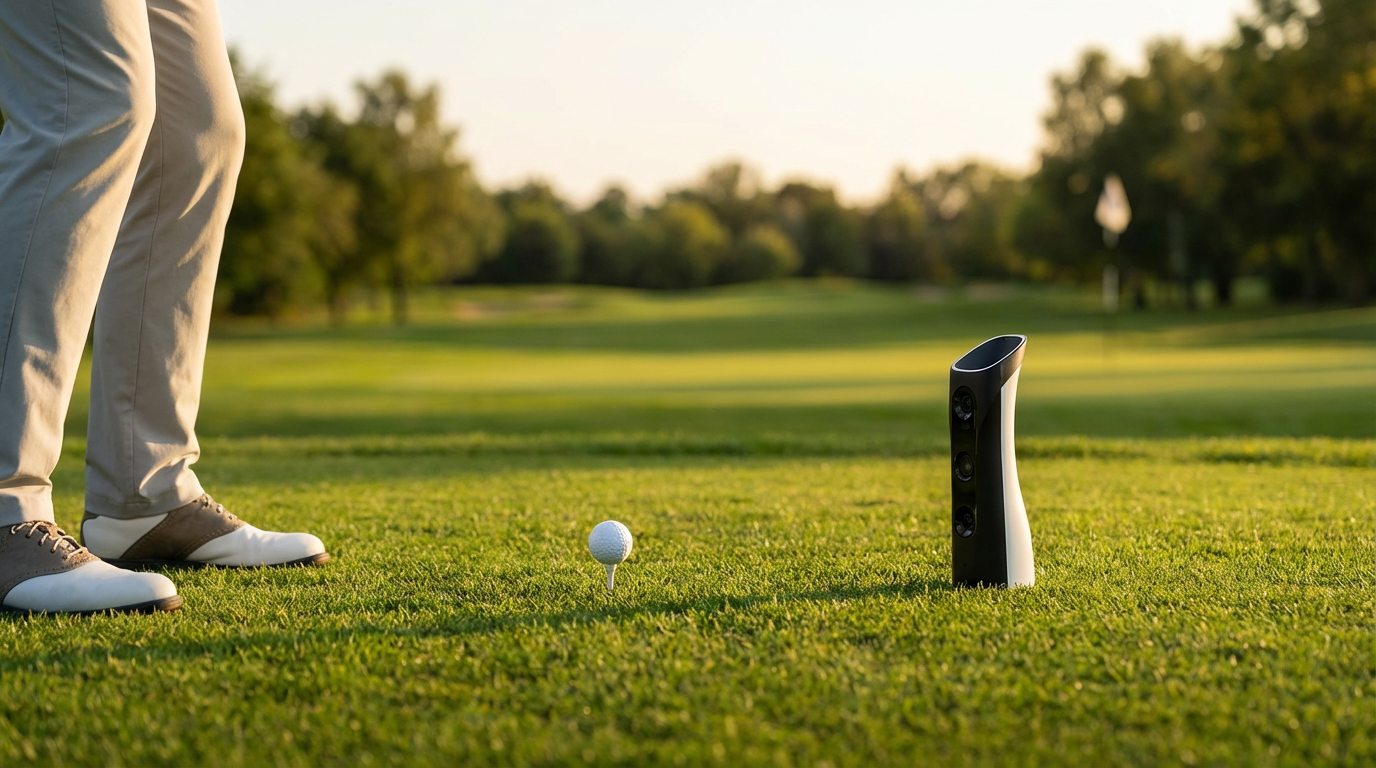
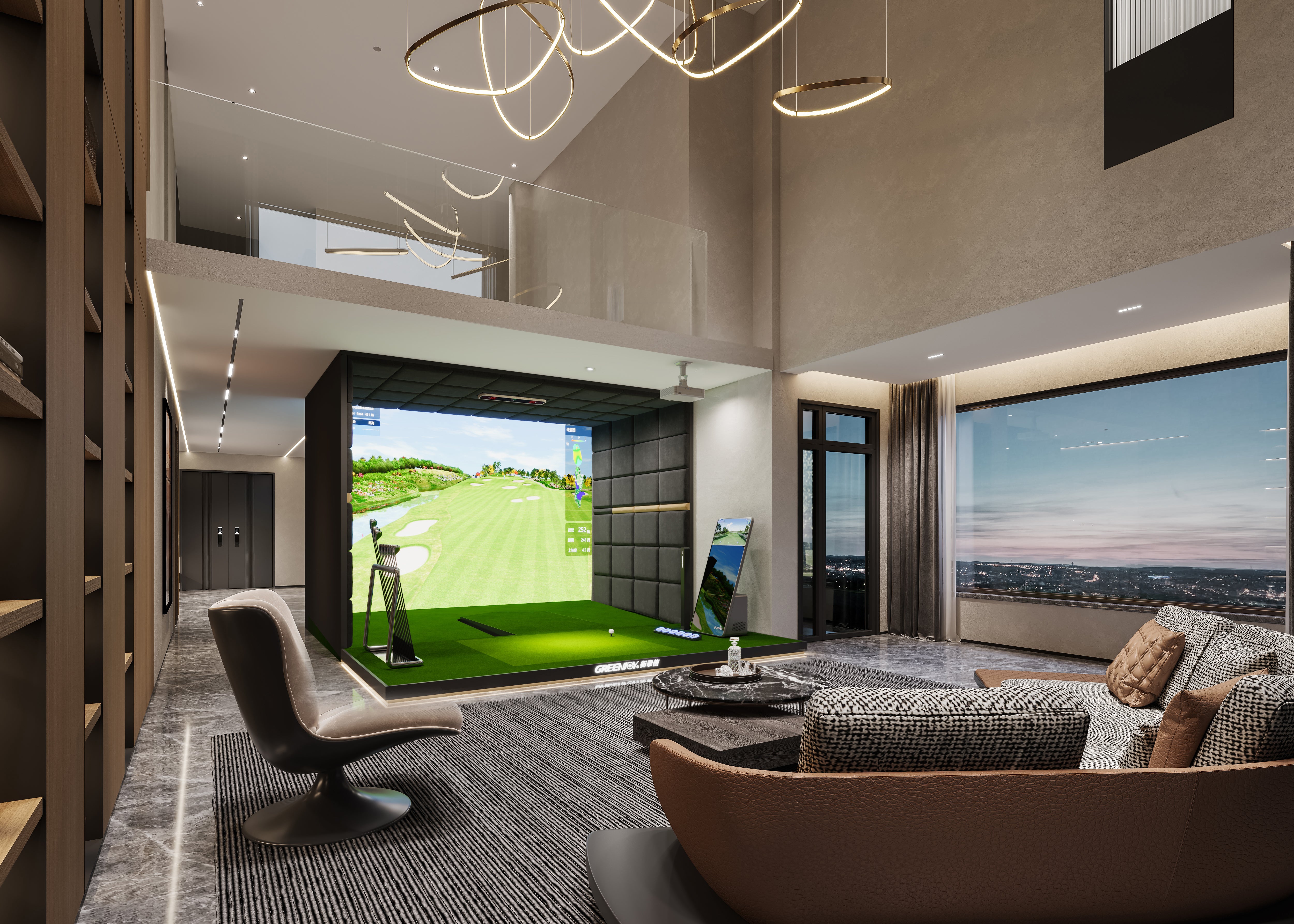
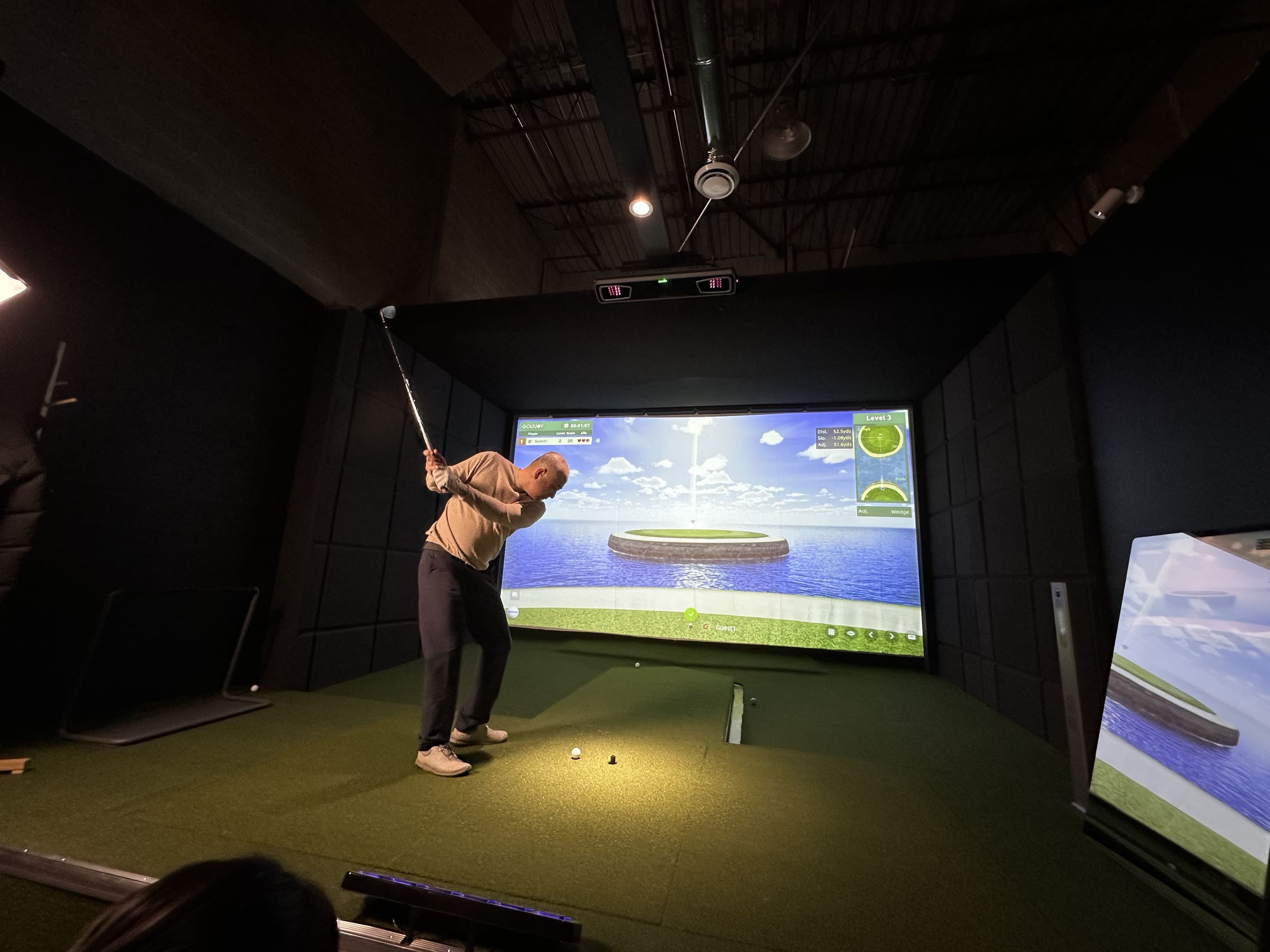
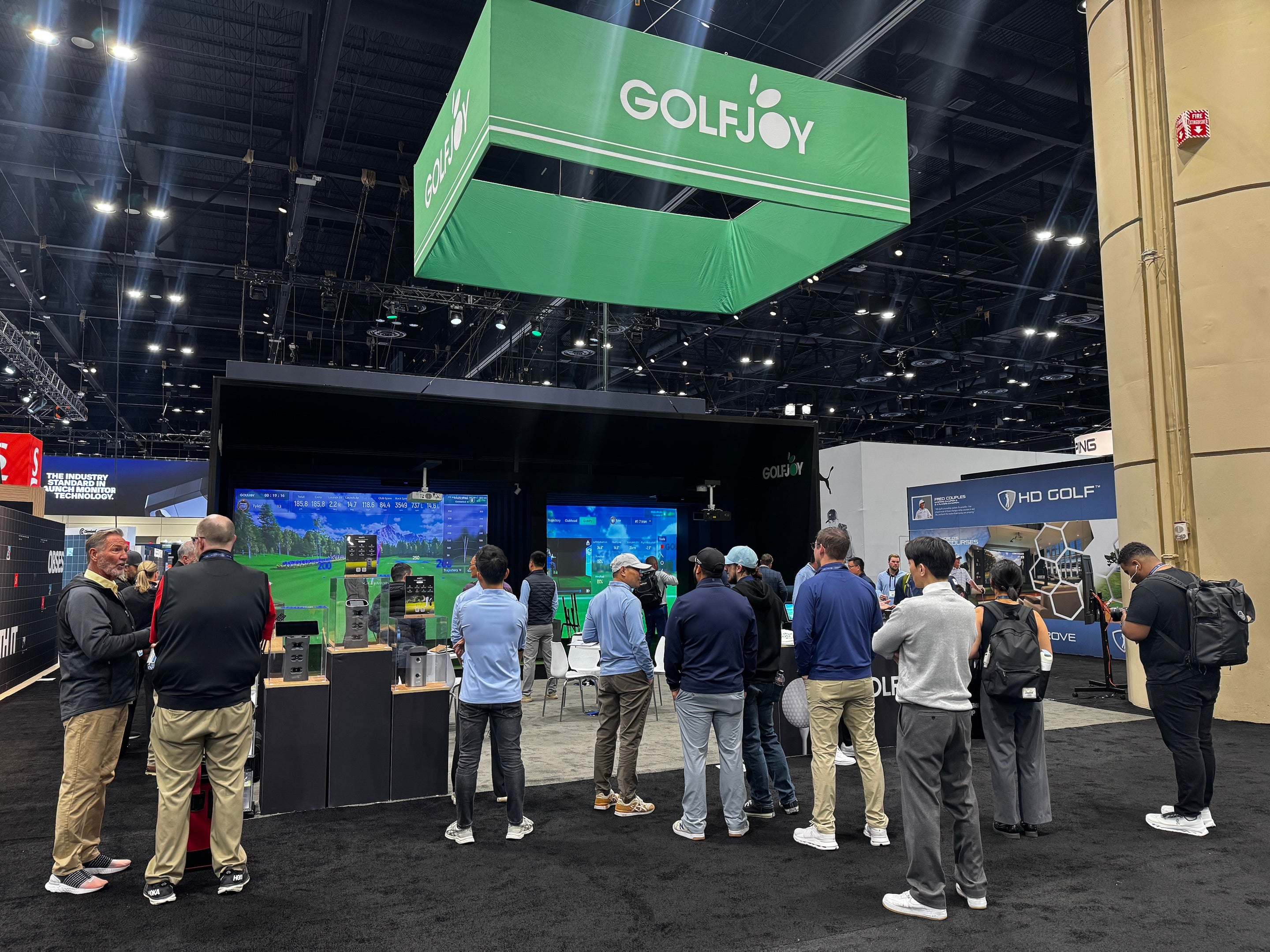
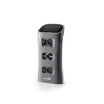
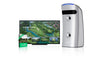
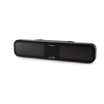
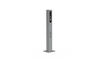

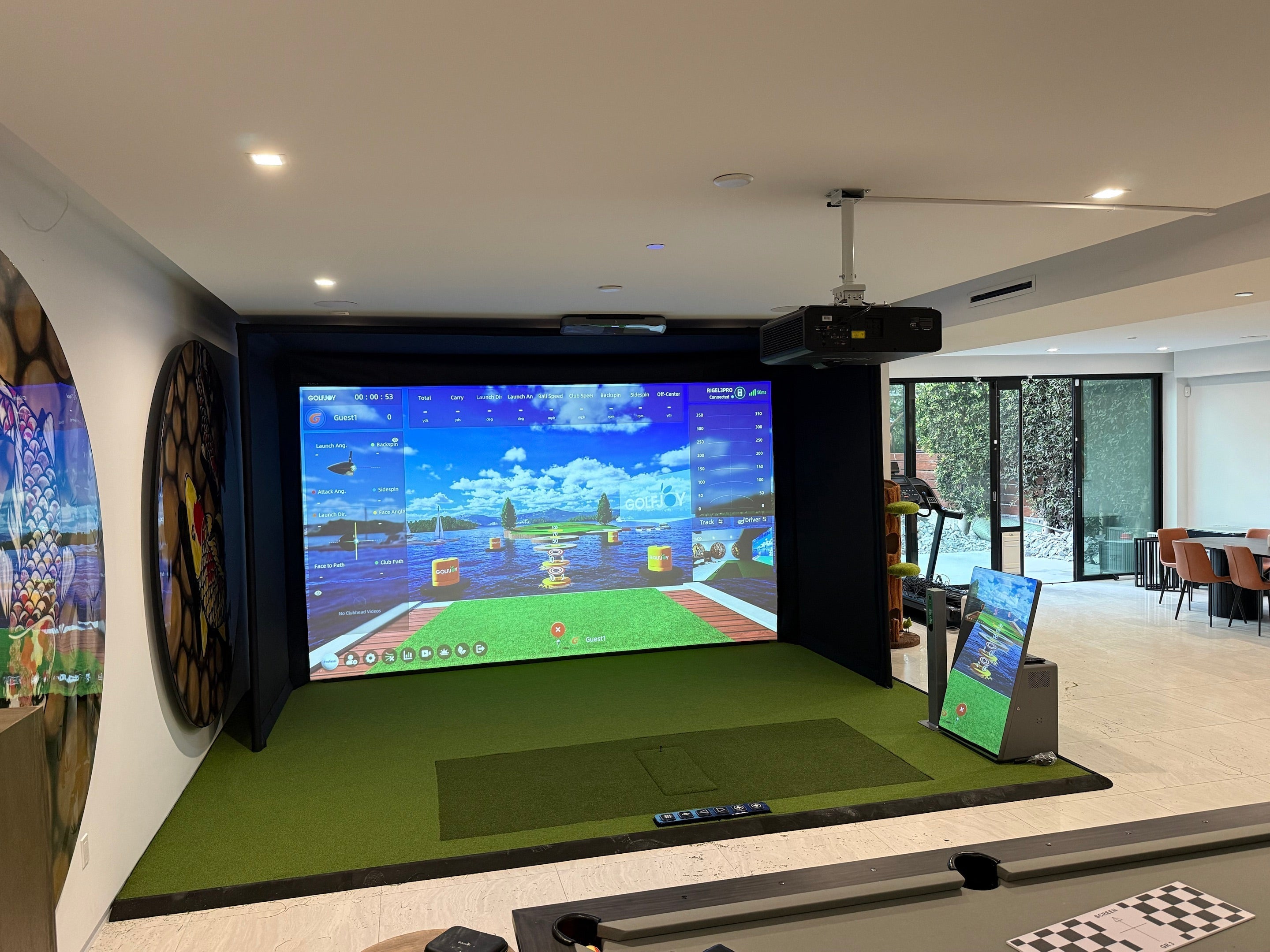
Most professional-grade golf simulators, including the GOLFJOY Spica 3, require a more specialized environment to function properly and ensure maximum safety. The ideal space for a Spica 3 setup is at least 9.2 to 11.5 feet high, 12.5 to 18 feet wide, and 21.3 to 39.7 feet deep. This generous room size accommodates full driver swings, provides optimal distance for our high-precision triple-camera tracking system, and creates a safer, more realistic, and truly immersive experience. While some entry-level systems claim to work in smaller spaces, GOLFJOY’s high standards for performance and safety perform best within these dimensions.
Minimum Room Size for a Golf Simulator
Even if you're working with a more compact space, you can still build a functional GOLFJOY setup—but there are specific minimum requirements you shouldn’t ignore to ensure both safety and system accuracy. At the absolute minimum, your room should have:
- Width: 12.5 – 13 feet
- Depth: 21.3 – 39.7 feet
- Height: 9.2 – 9.5 feet
This allows enough room to swing most clubs without hitting walls or ceilings. However, this setup may feel tight, especially when using a driver.
A compact residential golf simulator can work in these dimensions, but you may need to make adjustments such as:
- Using shorter clubs
- Positioning the hitting area slightly off-center
- Reducing backswing length
While it’s possible to operate in a smaller space, it’s not ideal for long-term use or multiple players.
Recommended Golf Simulator Room Dimensions
For a more comfortable and realistic experience, larger room dimensions are strongly recommended.
| Type | Width | Depth | Height |
|---|---|---|---|
| Home simulator | 9.8-12.1 ft | 4.9-6.6 ft | 8.2-8.9 ft |
| Overhead simulator | 12.5–18 ft | 21.3-39.7 ft | 9.2-11.5 ft |
A standard home setup, often built as a personal indoor golf simulator, benefits from extra width to accommodate different swing styles.
For more advanced setups, especially those using an overhead golf launch monitor, additional height and depth are necessary to ensure accurate tracking and safe ball flight.
Many modern systems, including those from GOLFJOY, are designed to adapt to different room sizes while maintaining high tracking accuracy using high-speed camera technology.
Space Needed for Driver Swings
The driver is the longest club in your bag, and it requires the most space to swing freely.
To comfortably hit a driver indoors, you should aim for:
- At least 9.2 feet of ceiling height
- 21.9-39.7 feet of depth
- Enough width for full shoulder rotation
The key concern is not just physical clearance, but also psychological comfort. If a player feels restricted, it can negatively impact swing mechanics.
A well-designed golf simulator system ensures that players can swing naturally without worrying about hitting walls or ceilings.
Left-Handed vs Right-Handed Players
If your simulator will be used by both left- and right-handed golfers, space requirements increase.
Single-Handed Setup
- Can be offset to one side
- Requires less width
Dual-Handed Setup
- Needs centered hitting position
- Requires additional width
For shared environments such as training centers or golf simulators for business, accommodating both player types is essential.
This is where overhead systems or centrally aligned indoor golf launch monitor setups become particularly useful, as they allow seamless switching between players.
Small Room Setup Tips
Not everyone has a large room to work with, but there are ways to maximize a smaller space effectively.
1. Use a Compact Setup
A golf simulator portable solution can be ideal for tight spaces or multi-purpose rooms.
2. Adjust Your Hitting Position
Placing the ball slightly off-center can create more swing room, especially in narrow areas.
3. Choose the Right Equipment
Select a compact launch monitor and simulator that doesn’t require excessive ball flight distance.
4. Optimize Ceiling Clearance
Even in smaller rooms, ensuring sufficient ceiling height is critical. Test your swing before installation to avoid limitations.
5. Use Net-Based Setups
If space is extremely limited, a net instead of a full screen can reduce depth requirements.
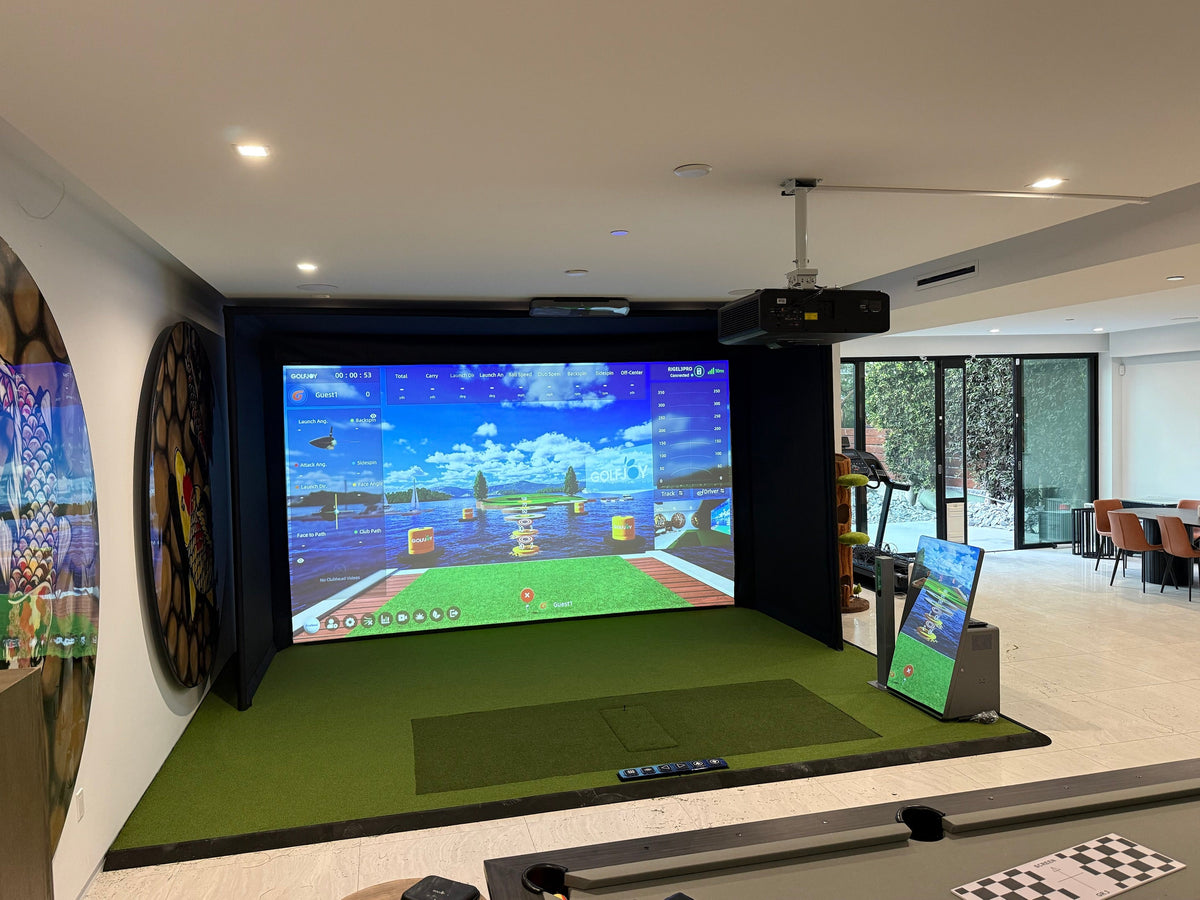
Example Layouts for Home Golf Simulators
Designing your simulator layout properly can make a huge difference in usability and comfort.
Layout 1: Compact Room Setup
- Width: 12.5 ft
- Depth: 21.3 ft
- Height: 9.2 ft
Best for:
- Beginners
- Casual practice
- Limited space
Often used with simplified golf simulator software for home setups.
Layout 2: Standard Home Setup
- Width: 15.7 ft
- Depth: 26.2 ft
- Height: 10.2 ft
Best for:
- Regular practice
- Realistic gameplay
- Multiple club usage
This is the most common configuration for a golf swing simulator environment.
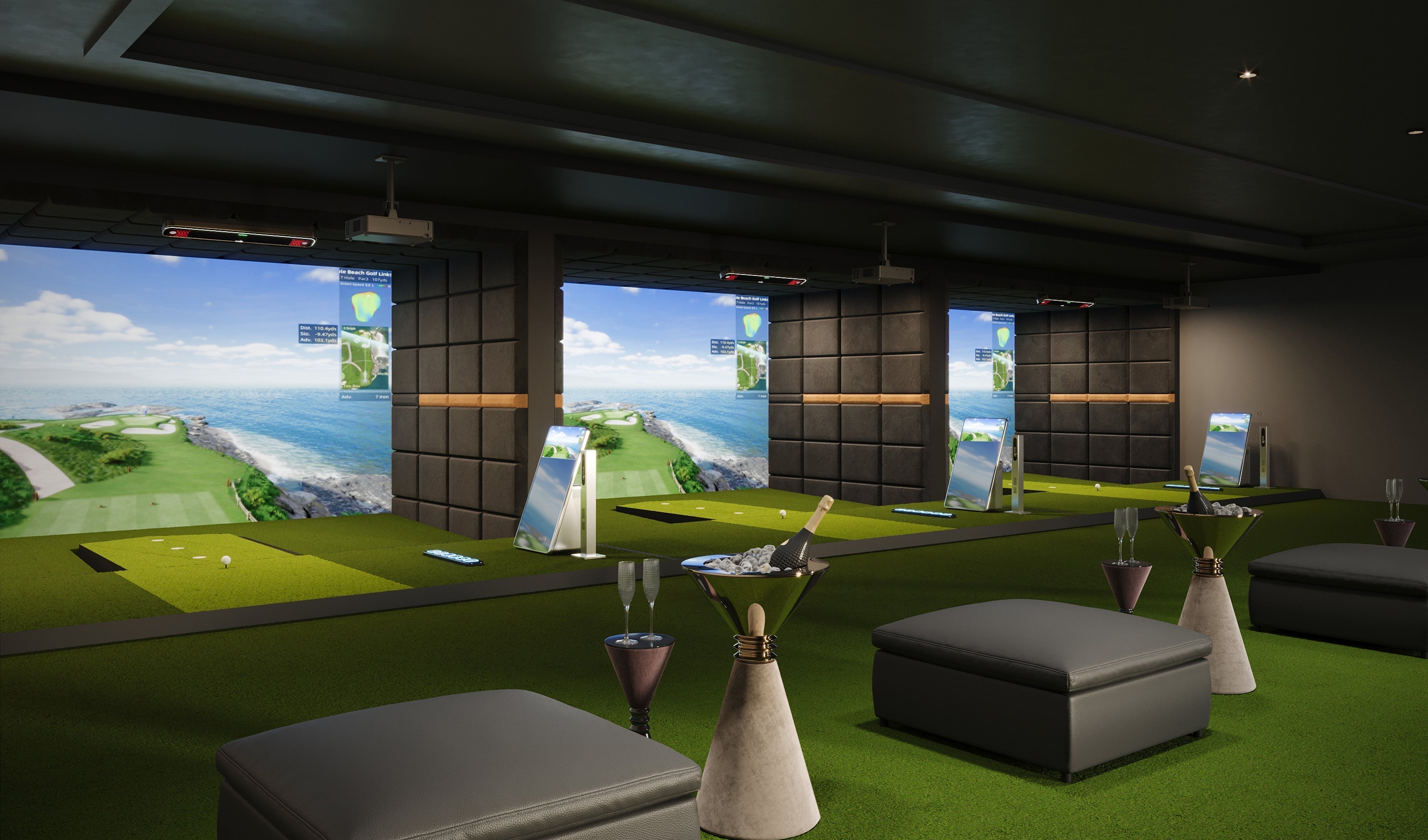
Layout 3: Premium Indoor Setup
- Width: 18.0 ft
- Depth: 39.4 ft
- Height: 11.5 ft
Best for:
- Advanced players
- Coaching
- Entertainment
Often paired with high-end indoor golf simulator software and large projection screens for immersive experiences.
Why Room Size Matters More Than You Think
Room size directly impacts:
- Swing freedom
- Safety
- Accuracy of tracking
- Overall enjoyment
A cramped space can lead to:
- Incomplete swings
- Poor data accuracy
- Increased risk of damage
On the other hand, a properly sized room enhances both performance and confidence.
Organizations like the PGA of America emphasize the importance of proper setup and environment when using golf technology for training and improvement.
FAQs About Golf Simulator Room Size
How much room do you need for a golf simulator?
Most professional setups require a room width of at least 12.5 feet, a depth of 21.3 to 39.7 feet, and a ceiling height of 9.2 to 11.5 feet for the most comfortable and immersive experience.
However, if you are looking for a standalone solution without a full custom room build-out, the GOLFJOY P8 personal simulator is designed to be highly versatile. The P8 can comfortably fit into spaces with lower ceilings, supporting a height requirement of only 8.2 to 8.9 feet. This makes it an ideal choice for residential basements or rooms where vertical space is a premium, without compromising on the quality of your swing.
What is the minimum ceiling height for a golf simulator?
The minimum is around 9.2 feet, but 10-12 feet is recommended for full swings, especially with a driver.
Can I use a golf simulator in a small room?
Yes, but you may need to adjust your setup, use shorter clubs, or choose compact equipment.
How much space do you need for a golf simulator with a driver?
You should aim for at least 9.2 feet of ceiling height and 21.3-39.7 feet of depth to swing a driver comfortably.
Do I need more space for left-handed players?
Yes. If both left- and right-handed players will use the simulator, additional width is required.
Is a garage big enough for a golf simulator?
Many garages are suitable, provided they meet minimum height and depth requirements.
References
[1] PGA of America. (2023). Indoor Practice and Training Guidelines.
https://www.pga.com
[2] National Golf Foundation. (2023). Golf Participation Report.
https://www.ngf.org
[3] Golf Monthly. (2024). How Much Space Do You Need for a Golf Simulator?
https://www.golfmonthly.com
[4] TrackMan Blog. (2023). Indoor Golf Setup Considerations.
https://blog.trackmangolf.com

Leave a comment
All comments are moderated before being published.
This site is protected by hCaptcha and the hCaptcha Privacy Policy and Terms of Service apply.