





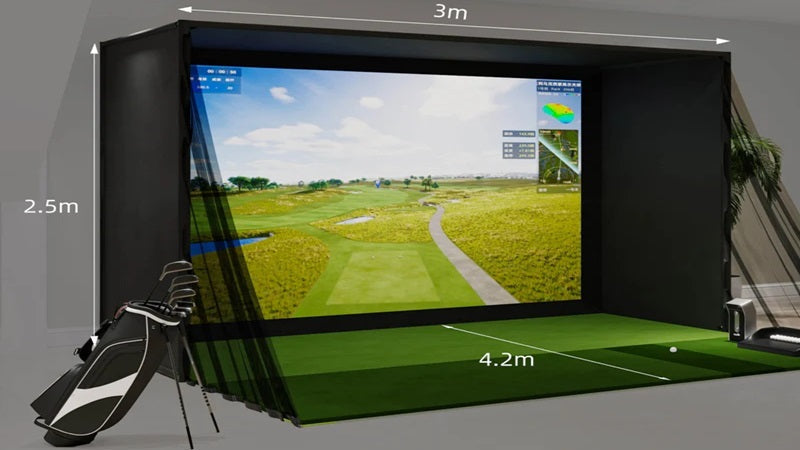
Indoor golf simulators can provide highly consistent shot data when the tracking system is properly installed and calibrated. But simulator accuracy is not determined by one specification alone. Tracking technology, calibration, device placement, lighting, software settings, and the overall hitting environment can all affect the results you see.
Are Golf Simulators Really Accurate?
Yes, modern indoor golf simulators can provide reliable ball and club data when the tracking system is used within its intended setup conditions. High-speed camera and radar-based systems are both widely used for golf practice, fitting, coaching, and simulator play.
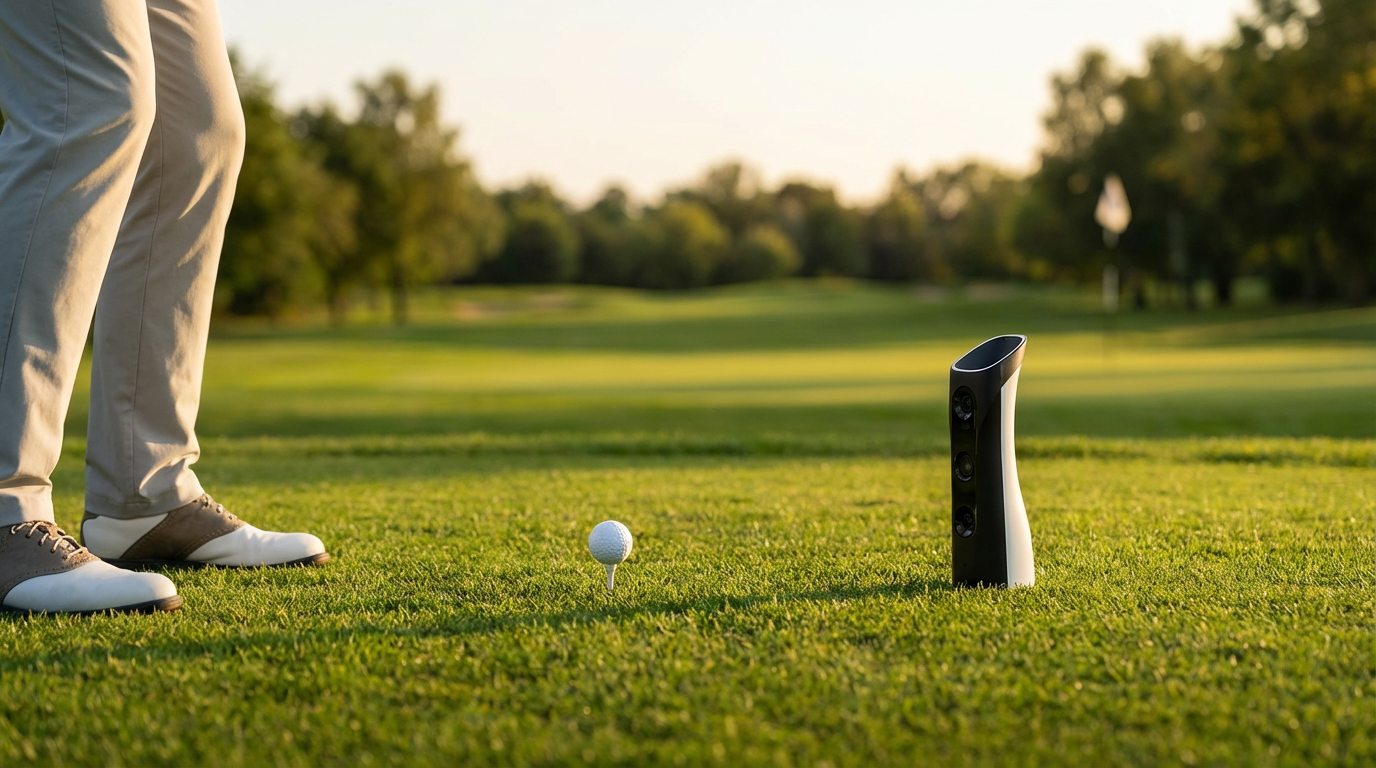
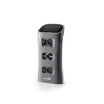
That said, not all simulator systems measure the same data or use the same tracking methods. Some focus mainly on core ball metrics, while more advanced systems may capture additional club and impact data. For example, GOLFJOY Spica 3 uses multi-camera tracking to capture detailed ball and club information around impact.
Accuracy also varies depending on whether you're measuring:
- Ball flight
- Spin rates
- Club path
- Impact conditions
When properly configured, a modern indoor golf simulator can provide realistic shot feedback for practice, training, and virtual play. If you're still learning how launch monitors, software, screens, projectors, and other components work together, see our complete indoor golf simulator guide.
What Affects Golf Simulator Accuracy
Several factors determine how accurate a golf simulator will be. Understanding these variables helps ensure you get the most reliable data.
Sensor Technology
The type of tracking technology plays the biggest role in accuracy. Systems typically use:
- Camera-based tracking— commonly used in indoor simulator
- Radar-based tracking — commonly used where sufficient ball-flight space is available
- Hybrid systems — combines multiple sensing methods
Different launch monitors use different tracking architectures, and accuracy depends more on how well the system captures and processes the required data than on the number of technologies it combines.
Camera Quality
In camera-based systems, image quality, frame rate, camera positioning, and the tracking algorithm all contribute to measurement performance. High-speed cameras capture multiple images around impact and initial launch, allowing the system to analyze ball and club movement within a compact hitting area.
Lower-quality cameras may struggle to detect subtle differences in ball behavior, especially at higher swing speeds.
Calibration
Even the best hardware won’t perform well without proper calibration. Calibration ensures that:
- The hitting area is correctly aligned
- The system understands the ball’s starting position
- Measurements are consistent across sessions
Improper setup is one of the most common causes of inaccurate readings.
Lighting Conditions
Lighting plays a surprisingly important role, especially for indoor systems. Poor lighting can interfere with camera tracking and reduce accuracy.
For optimal performance:
- Avoid shadows on the hitting area
- Use consistent, diffused lighting
- Ensure the ball is clearly visible
Accuracy Comparison
Not all golf simulators are created equal. Accuracy can vary significantly depending on the type of system you use.
Home Simulators
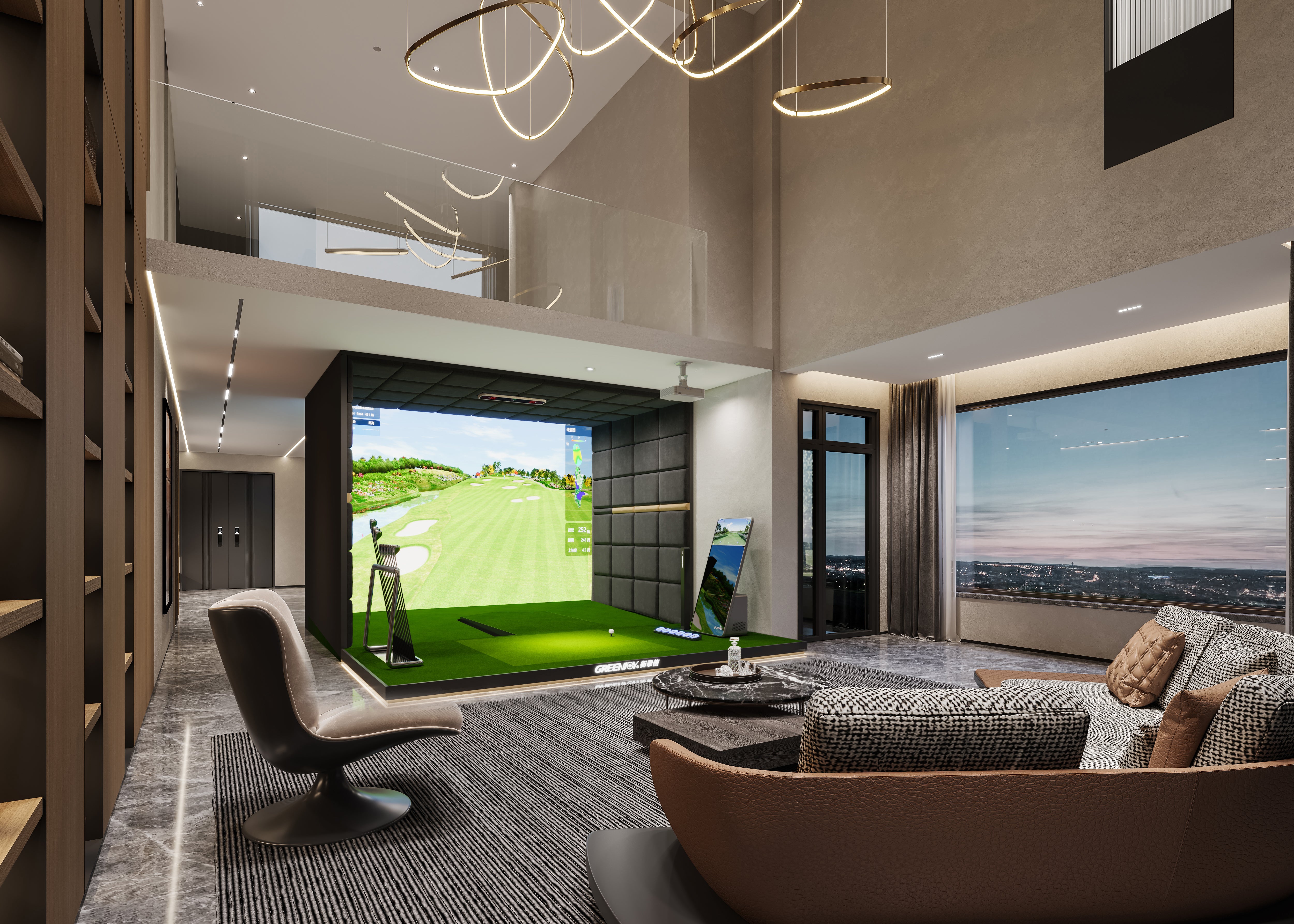
Home simulator accuracy depends primarily on the tracking system and installation rather than on whether the simulator is designed for residential use. Portable and floor-based systems can provide reliable ball and club data when positioned correctly and used within their recommended hitting area.
When comparing a home setup, pay attention to:
- Which ball and club metrics are measured
- Hitting-area requirements
- Calibration and placement
- Short-game detection
- Software compatibility
Commercial Simulators
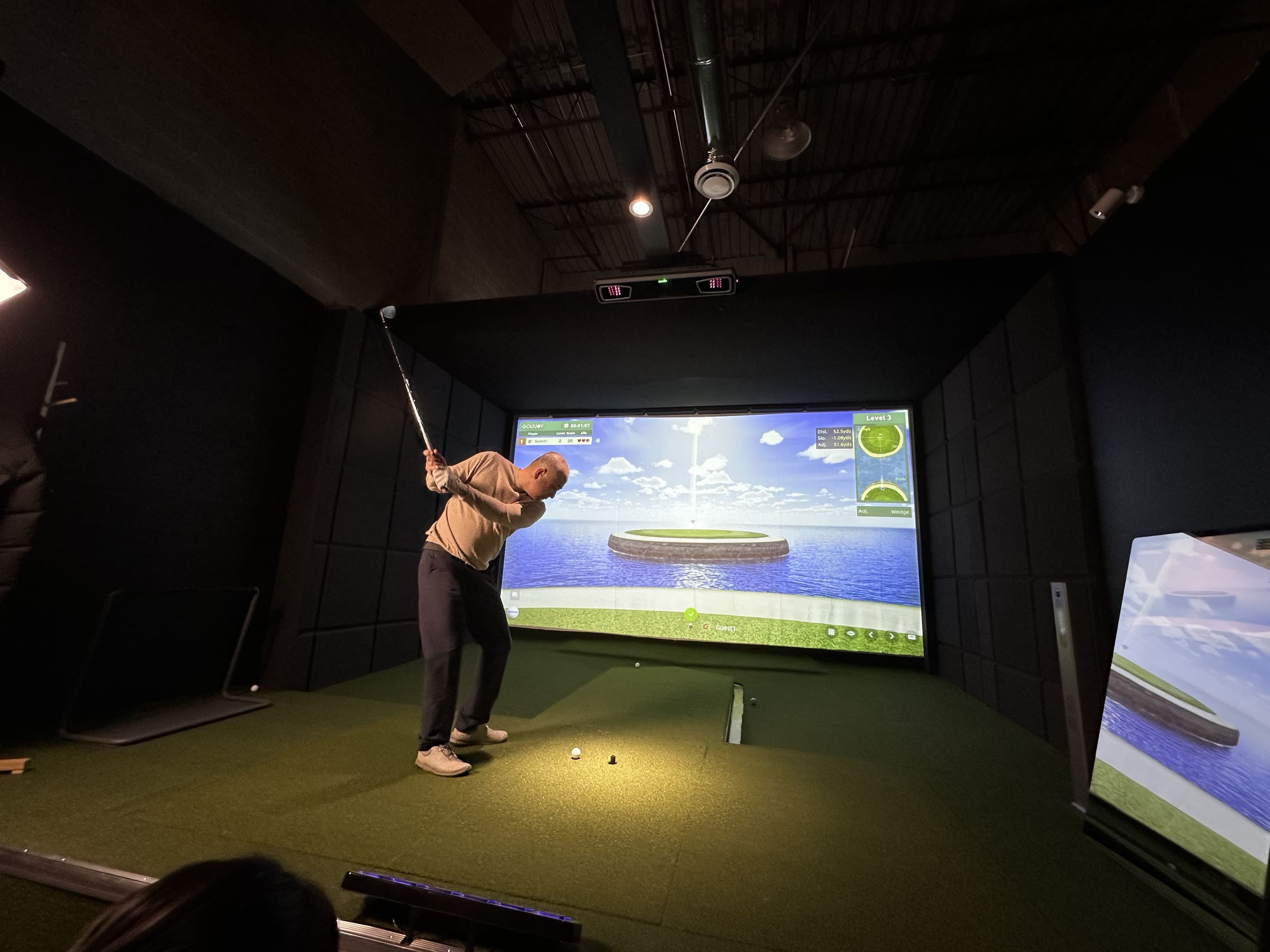
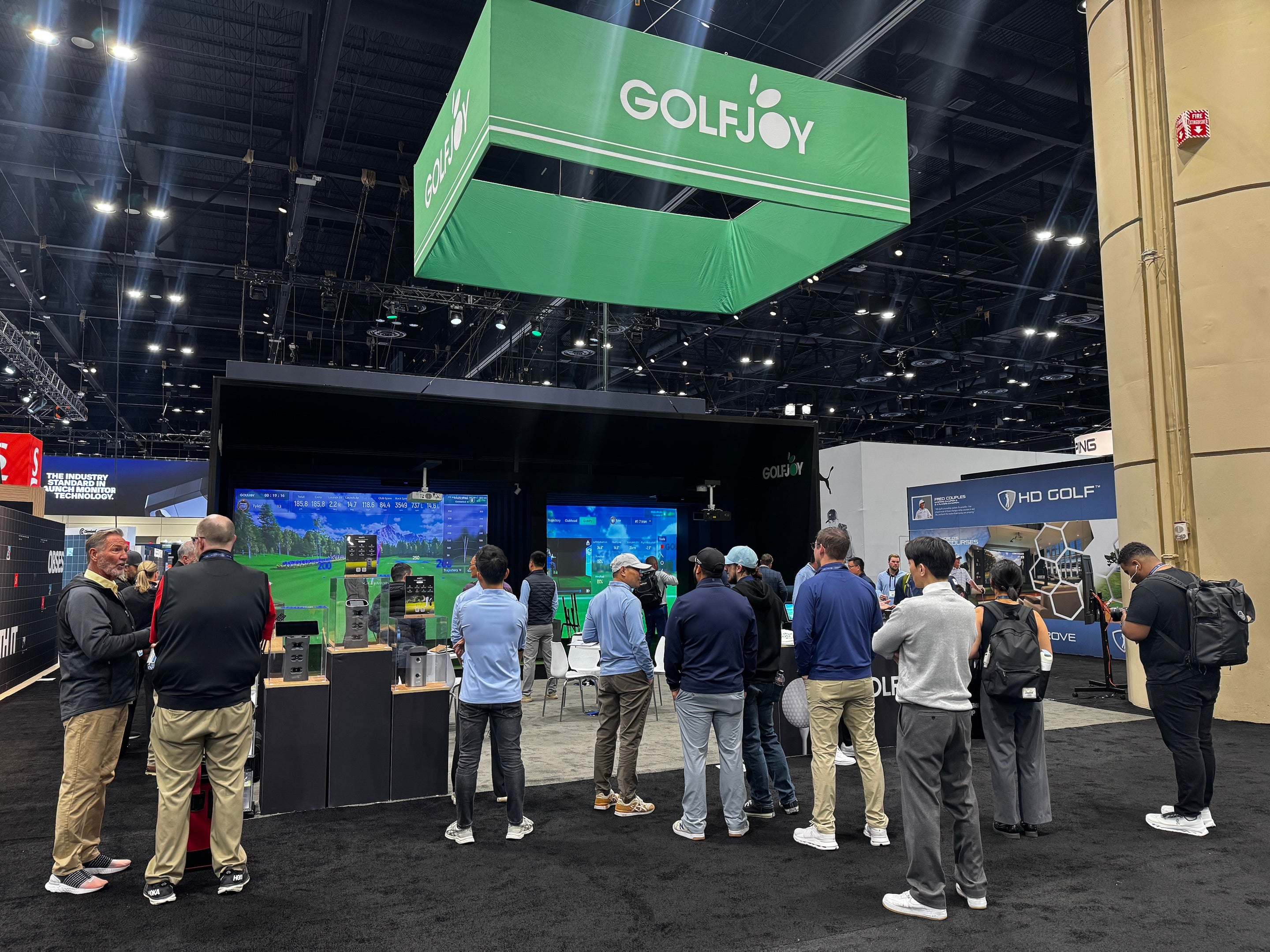
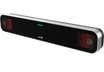
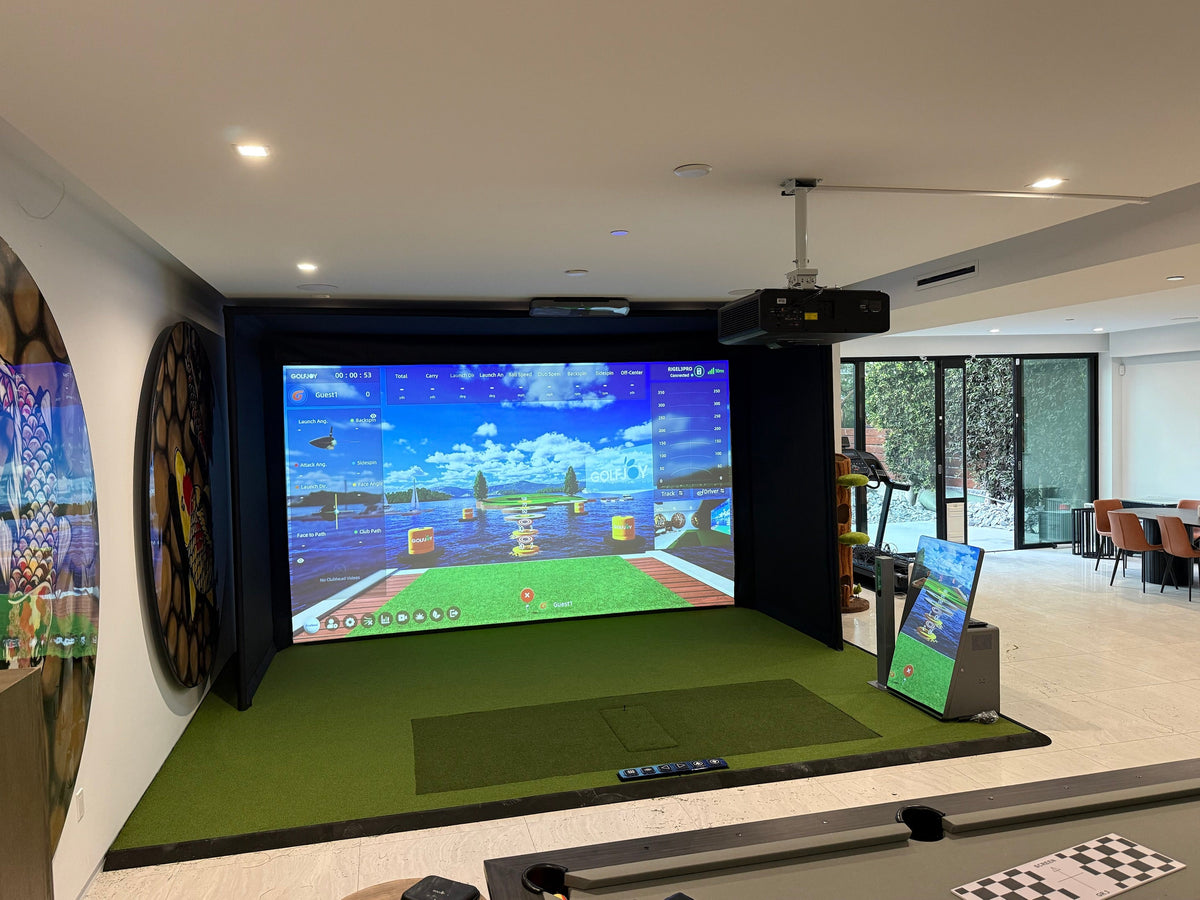
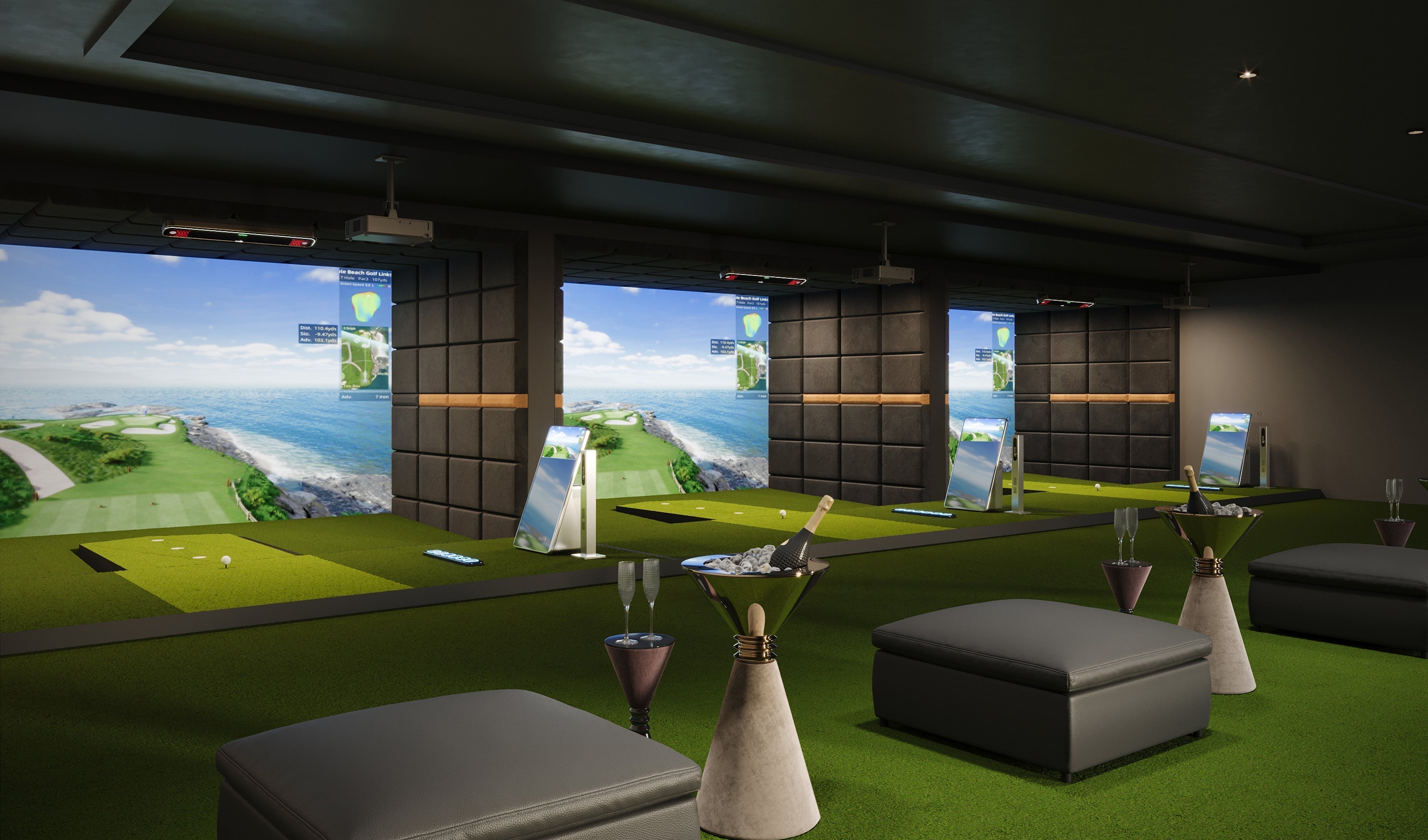
A commercial indoor golf simulator is typically designed for frequent use, shared bays, and more permanent installation. Accuracy still depends on the launch monitor and setup, while commercial operators also need to consider reliability, player flow, hitting-area size, and system consistency across repeated sessions. GOLFJOY's Commercial Simulator uses the Rigel series overhead launch monitors — high-speed camera sensors mounted above the hitting area — for seamless, interference-free tracking.
These systems are commonly found in:
- Indoor golf centers
- Sports entertainment venues
- Training studios
They often include enhanced golf simulator programs that improve realism and shot calculation.
Professional Systems
Professional simulator environments often prioritize repeatable shot data, detailed club metrics, larger hitting areas, and reliable performance across frequent sessions. Systems used by coaches, fitters, and serious golfers may also provide deeper swing and impact analysis than setups designed primarily for entertainment.
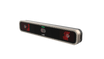
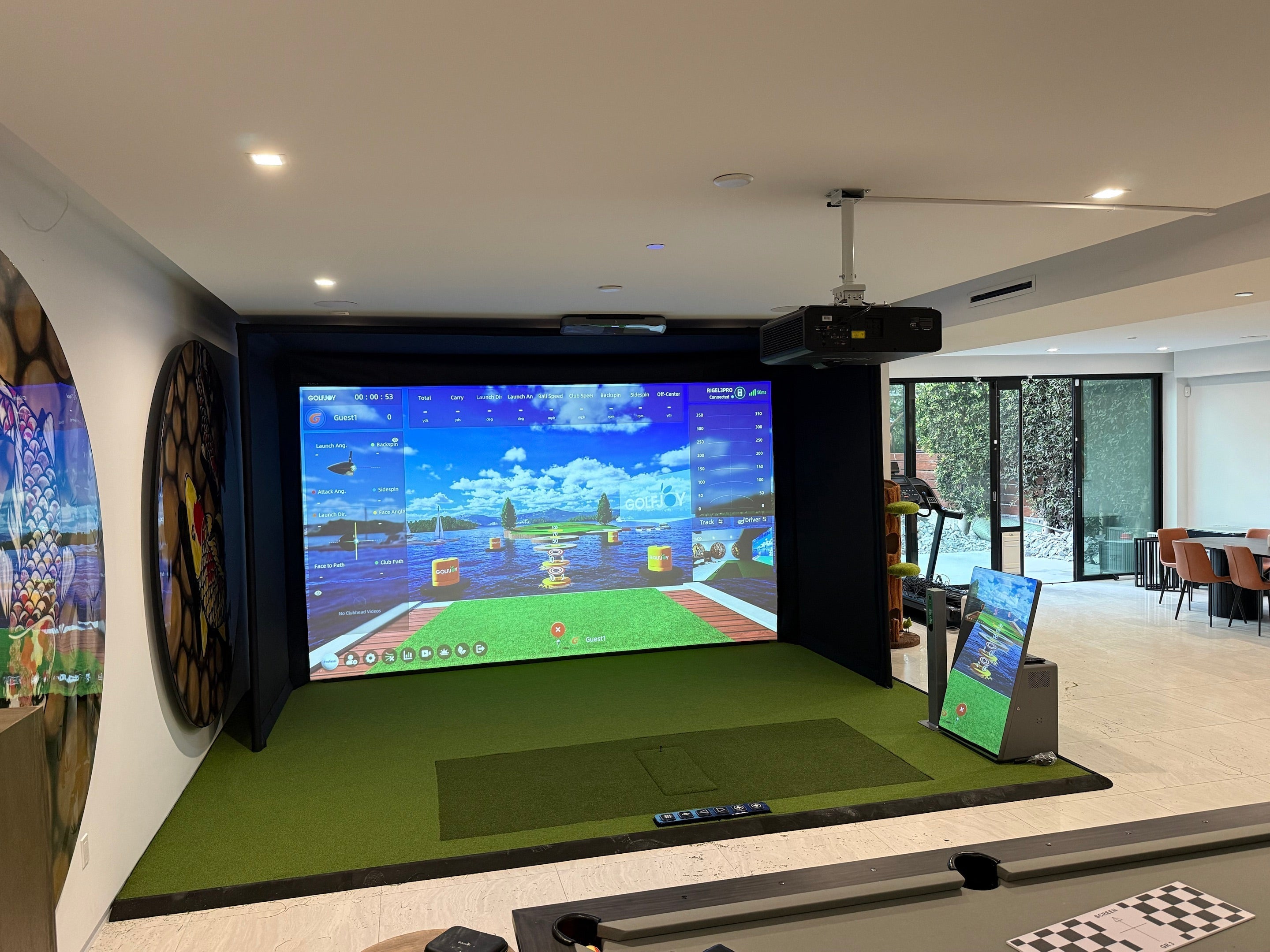
GOLFJOY Rigel 3 Pro uses high-speed camera tracking in an overhead configuration designed for dedicated simulator environments and shared-use spaces.
These systems feature:
- Multi-camera tracking
- Advanced physics engines
- High-resolution data output
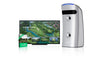
GOLFJOY also develops dedicated all-in-one smart golf systems for driving ranges and urban golf venues, integrating the launch monitor, computer, and display into a single unit for a more streamlined setup and operation.
How Golf Simulators Measure Ball Speed
Ball speed is one of the most important metrics in golf, and simulators measure it using precise tracking methods.
In high-speed camera-based systems, multiple images are captured around impact and the initial launch. The system analyzes the ball's movement across those frames to determine metrics such as ball speed and launch direction.
This approach is particularly well suited to indoor environments because the system can capture the critical part of the shot within a relatively compact space, without requiring a long section of visible ball flight.
Reliable ball-speed data helps golfers understand distance, strike efficiency, and changes in performance over time. When comparing systems, consistency across repeated shots is often more useful than focusing on a single specification or price point.
Measured Data vs. Calculated Data: What's the Difference?
When evaluating golf simulator accuracy, it helps to separate measured data from calculated or modeled results.
Measured data comes directly from what the launch monitor observes around impact. Depending on the system, this may include metrics such as ball speed, launch angle, launch direction, spin, club speed, or club path.
Calculated or modeled data uses those measurements to estimate what happens later in the shot, including carry distance, apex, landing angle, and rollout.
This distinction explains why two software platforms can sometimes display slightly different ball-flight results from similar launch data. It also means that simulator accuracy should not be judged by total distance alone.
Tips to Improve Simulator Accuracy
Even the most advanced simulator requires proper setup and usage to deliver reliable results. Here are some practical tips:
1. Position the Launch Monitor Correctly
Follow the manufacturer’s guidelines for placement. For overhead systems like GOLFJOY Rigel, ensure the unit is mounted at the specified height and angle.
2. Use Consistent Golf Balls
Use clean golf balls in consistent condition when comparing shot data. Different ball models and heavily worn balls can produce real performance differences that may be mistaken for tracking inconsistency.
3. Optimize Your Environment
Ensure:
- Adequate lighting
- Proper room dimensions
- Minimal interference
4. Keep Equipment Clean
Dust or debris on cameras and sensors can reduce accuracy over time.
5. Update Software Regularly
Keep the simulator software and device firmware up to date so you have the latest supported tracking, compatibility, and performance improvements.
Why Accuracy Matters for Different Users
Accuracy is important for different reasons depending on the user:
- Casual players want realistic gameplay
- Serious golfers need precise data for improvement
- Businesses rely on accuracy to deliver a premium experience
For commercial venues, consistent tracking matters because customers expect similar shots to produce similar results from session to session. Coaches, leagues, and repeat players also depend on reliable data to compare performance over time.
If you're comparing complete systems rather than tracking technology alone, our guide to the best indoor golf simulator explains how accuracy, software, setup type, and intended use fit together.
FAQs About Golf Simulator Accuracy
How accurate are indoor golf simulators?
Modern indoor golf simulators can provide highly consistent ball and club data when the tracking system is properly installed and calibrated. Accuracy depends on the launch monitor, tracking technology, environment, software settings, and the specific metric being measured.
Do golf simulators measure distance correctly?
Simulator distance is modeled from measured launch data such as ball speed, launch angle, direction, and spin, together with software-defined environmental conditions. For this reason, it is useful to distinguish between the measured launch data and the virtual distance shown on screen.
Why does my simulator show different distances than the driving range?
Differences can come from temperature, altitude, wind, golf-ball type, range-ball performance, ground conditions, and simulator settings. If you are comparing indoor and outdoor results, look first at measured launch data such as ball speed, launch angle, spin, and direction rather than total distance alone.
Are expensive simulators more accurate?
Not necessarily. Price can reflect many factors, including enclosure materials, projector quality, software, installation, hitting-area size, and additional features. A more useful way to evaluate accuracy is to look at tracking consistency, measured data, setup requirements, and how reliably the system performs in your intended environment.
Can lighting affect simulator accuracy?
Yes, especially for camera-based systems. Poor or inconsistent lighting can reduce tracking precision. Diffused, shadow-free lighting over the hitting area is recommended.
How can I make my golf simulator more accurate?
Ensure proper setup, good lighting, correct calibration, clean camera lenses, and keep your GOLFJOY software updated regularly.
Find the Right Indoor Golf Simulator for Your Space
Explore GOLFJOY launch monitors and simulator solutions for home, training, and commercial environments. If you're not sure which tracking system or simulator configuration fits your space, contact the GOLFJOY team for help comparing options.
References
[1] United States Golf Association. (2022). Equipment and Ball Flight Principles.
[2] National Golf Foundation. (2023). Golf Technology Participation Trends.
[3]Ball Flight Laws – PGA of America

Leave a comment
All comments are moderated before being published.
This site is protected by hCaptcha and the hCaptcha Privacy Policy and Terms of Service apply.