





If you’ve been researching golf simulator setup cost, you’ve probably noticed something confusing:
Prices are all over the place.
Some setups claim you can build one for a few thousand dollars. Others jump straight to $50,000+ without much explanation. So what’s the real number—and more importantly, what are you actually paying for?
This guide breaks it down in a practical way, so you can understand where your money goes and how to choose the right setup for your goals—whether that’s a home simulator or a revenue-generating business.
Let’s start with a realistic range.
Here’s the key insight most articles miss:
👉 You’re not just paying for equipment—you’re paying for accuracy, consistency, and experience.
A cheaper system might “work,” but if the data isn’t reliable, it won’t actually help you improve—or keep customers coming back if you’re running a business.

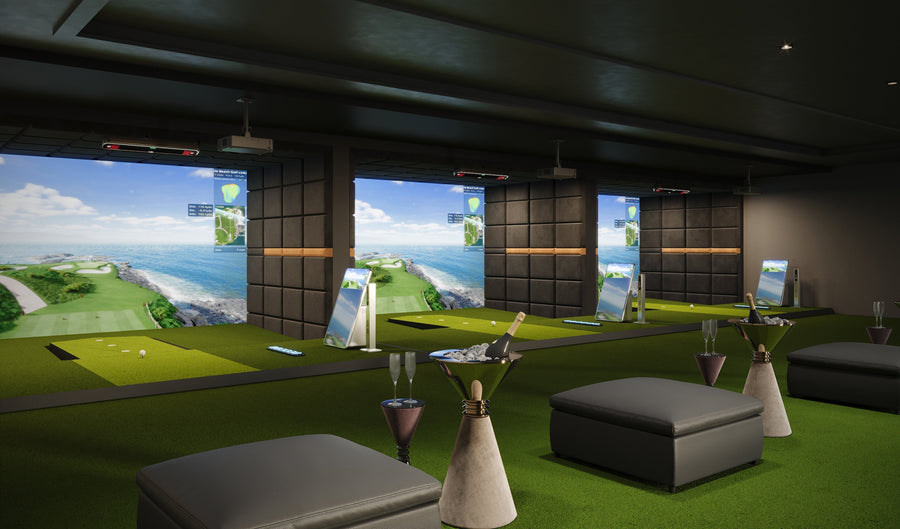
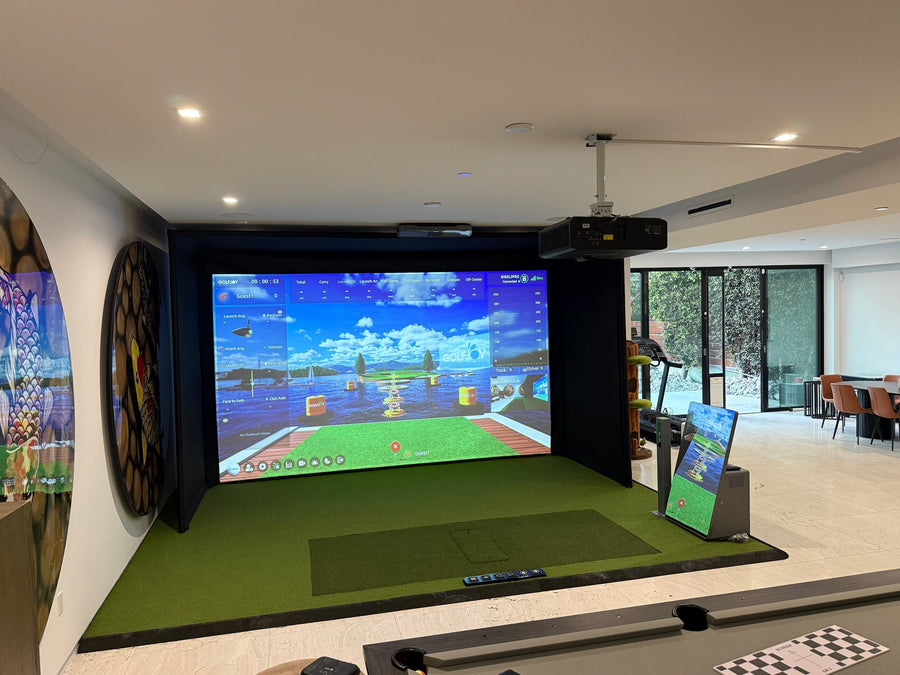
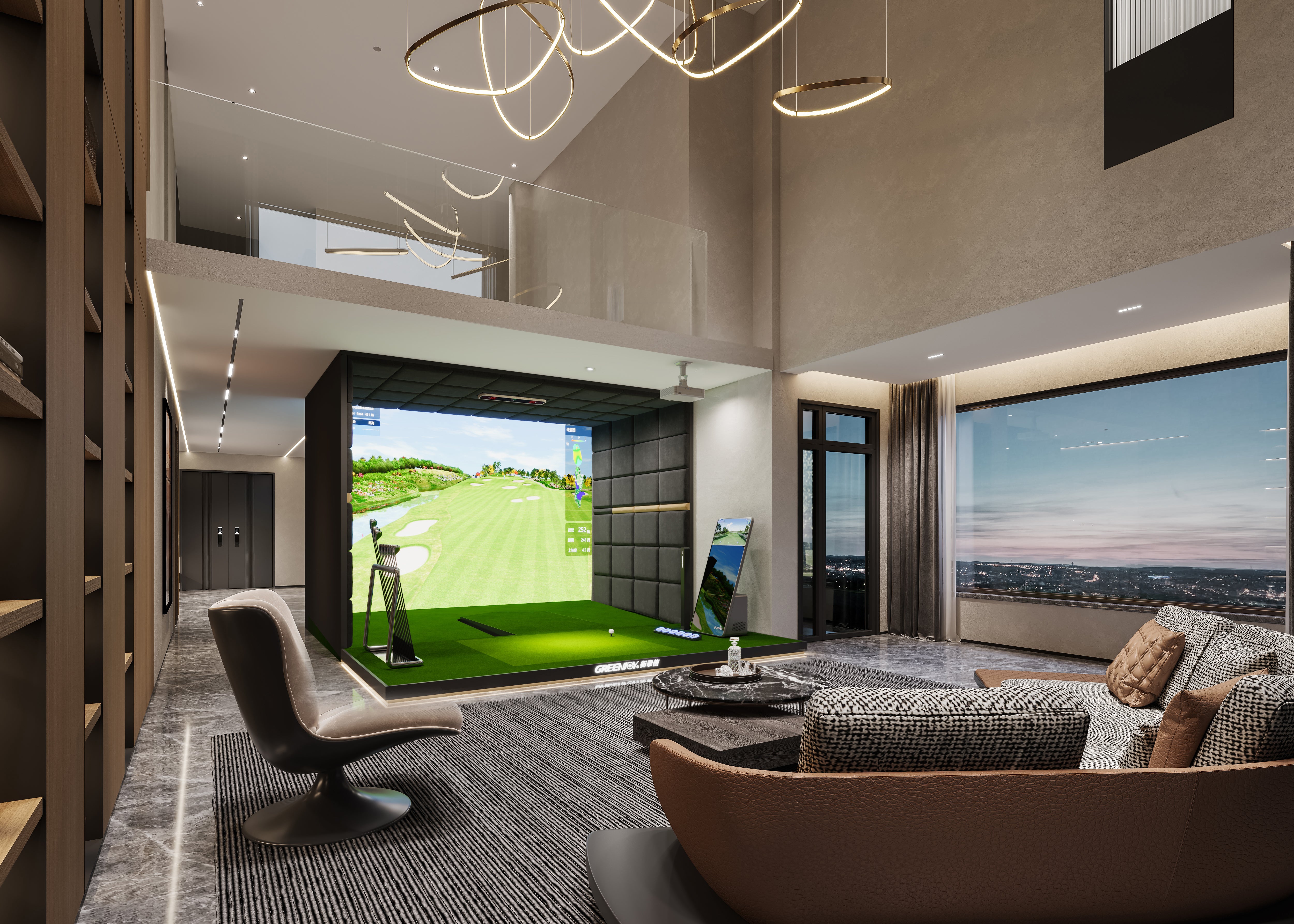
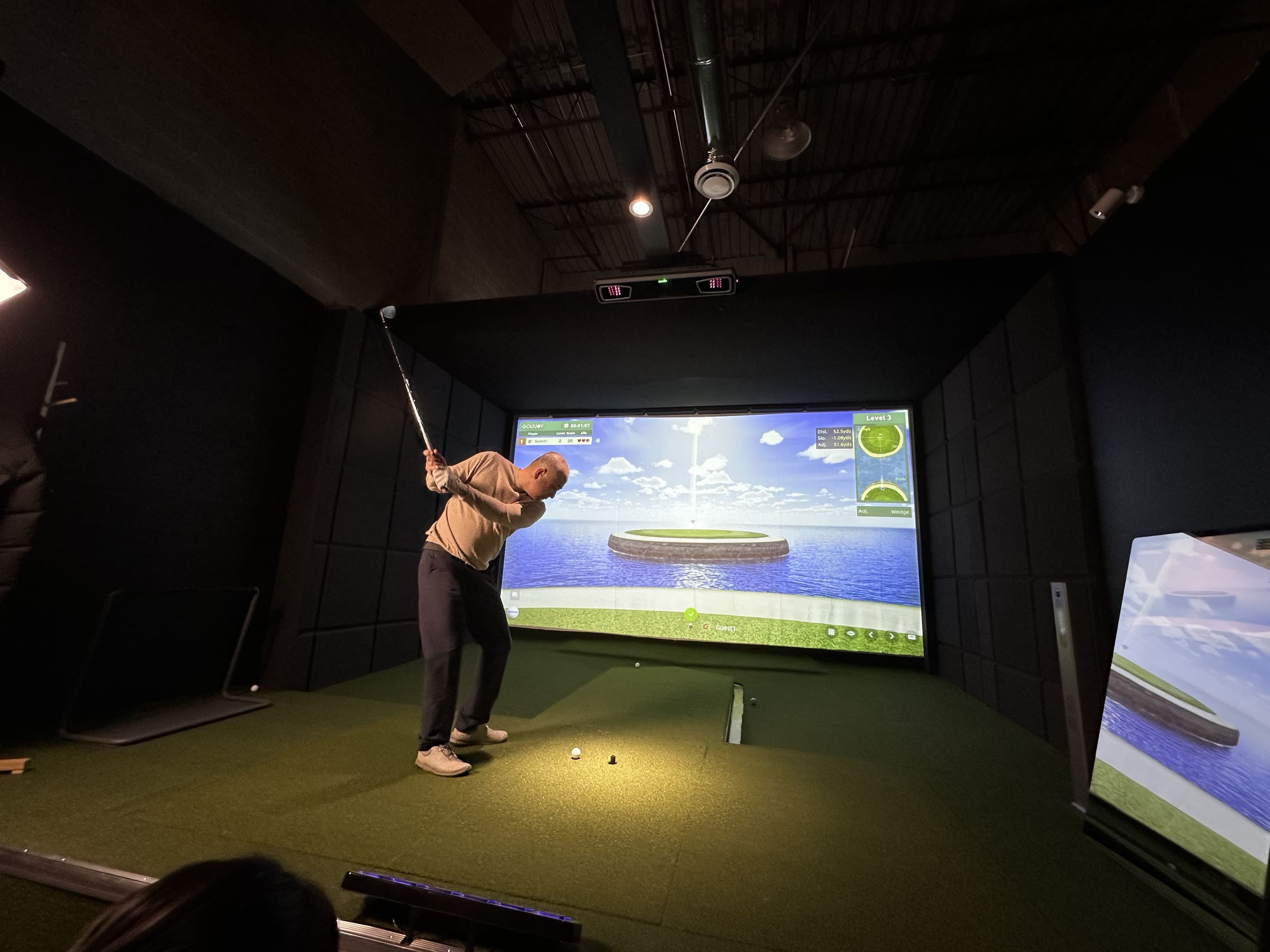
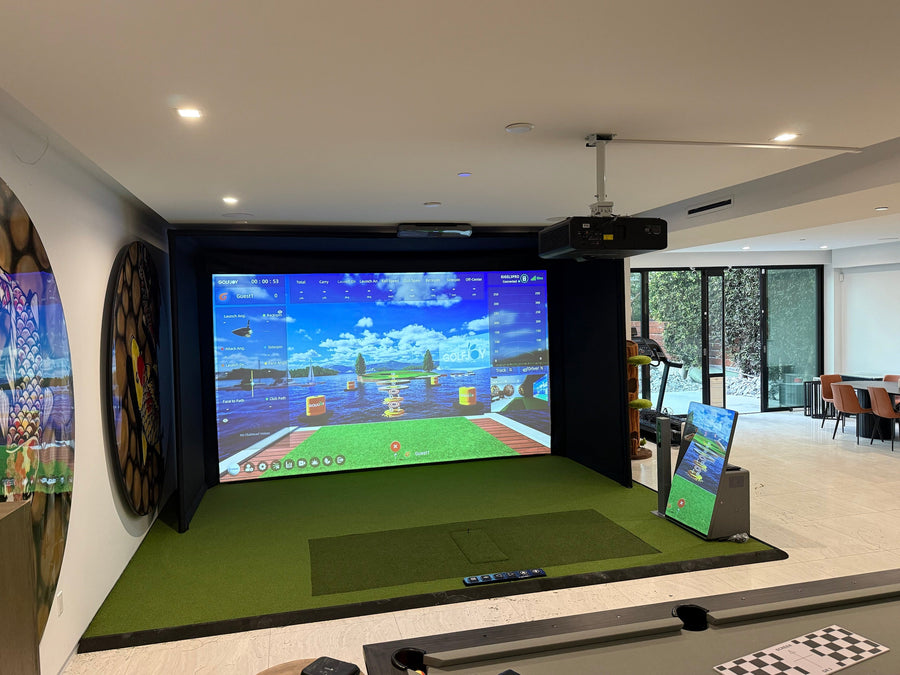
A complete golf simulator isn’t one product—it’s a system made up of several parts.
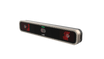
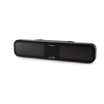
This is where most of your budget should go.
A quality launch monitor tracks:
Lower-cost systems track fewer data points and often struggle with accuracy—especially indoors.
Higher-end systems use multi-camera vision tracking + AI processing, capturing up to 40+ data points per shot with near real-time feedback.
👉 If your data isn’t accurate, nothing else matters.
This includes:
For serious use (especially commercial), durability matters a lot.
That difference alone can save thousands over time.
Most buyers underestimate this part.
Good simulator software gives you:
Most platforms run on subscriptions, so this is an ongoing cost, not one-time.
Typical space requirements:
Installation costs vary a lot:
Newer systems are improving here with faster, tool-free setups, which is becoming a big differentiator.
This is where many buyers make mistakes.
A low-cost simulator might seem attractive, but issues usually show up quickly:
For home users, that means you stop using it.
For businesses, that means customers don’t come back.
👉 The real cost isn’t the price—it’s buying something you outgrow in 6 months.
Instead of focusing only on price, focus on these three factors:
Look for systems that deliver near 1% error margin.
That’s the difference between guessing and improving.
If you’re running a facility, your system needs to handle hundreds of shots daily without constant maintenance.
The good news?
You no longer have to choose between:
There’s now a growing category of systems that deliver professional-level accuracy at a much more practical price point.
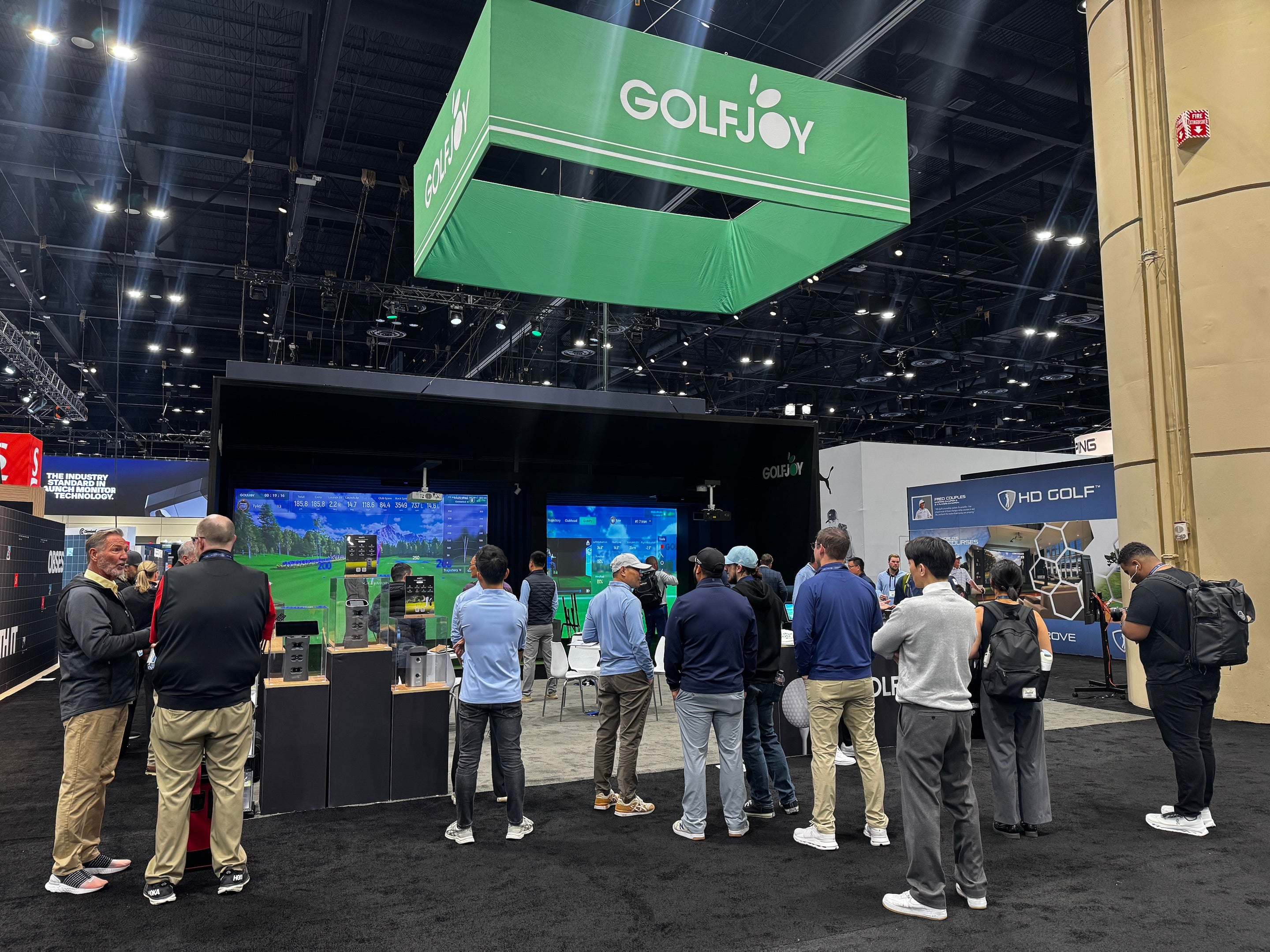
This is where brands like GOLFJOY are gaining traction.
Instead of positioning itself as either “budget” or “ultra-premium,” GOLFJOY focuses on solving a very specific problem:
👉 How do you get reliable, pro-level data without overspending?
Their systems use:
And they’re built for both:
Their S-Series (S100–S500) is structured in tiers, so you can match your setup to your needs—whether that’s a garage simulator or a full commercial venue.
Another practical advantage:
👉 They also help design setups based on your space, which removes a lot of guesswork for buyers.
If you’re building a simulator for business, cost should always be tied to revenue potential.
Modern setups are being used for:
Some operators are even running fully automated locations, generating income without full-time staff.
That changes the conversation from:
👉 “How much does it cost?”
to
👉 “How quickly can it pay for itself?”
Here’s a simple way to think about it:
But more importantly:
👉 Don’t buy based on price alone.
👉 Buy based on how long the system will stay useful.
Because the best golf simulator isn’t the cheapest one—it’s the one you’ll still be using (or profiting from) years from now.
The golf simulator setup cost in 2026 isn’t just about hardware anymore.
It’s about:
With newer solutions closing the gap between performance and price, building a high-quality simulator—at home or for business—is more realistic than ever.
Submit your information and our team will follow up with you.