






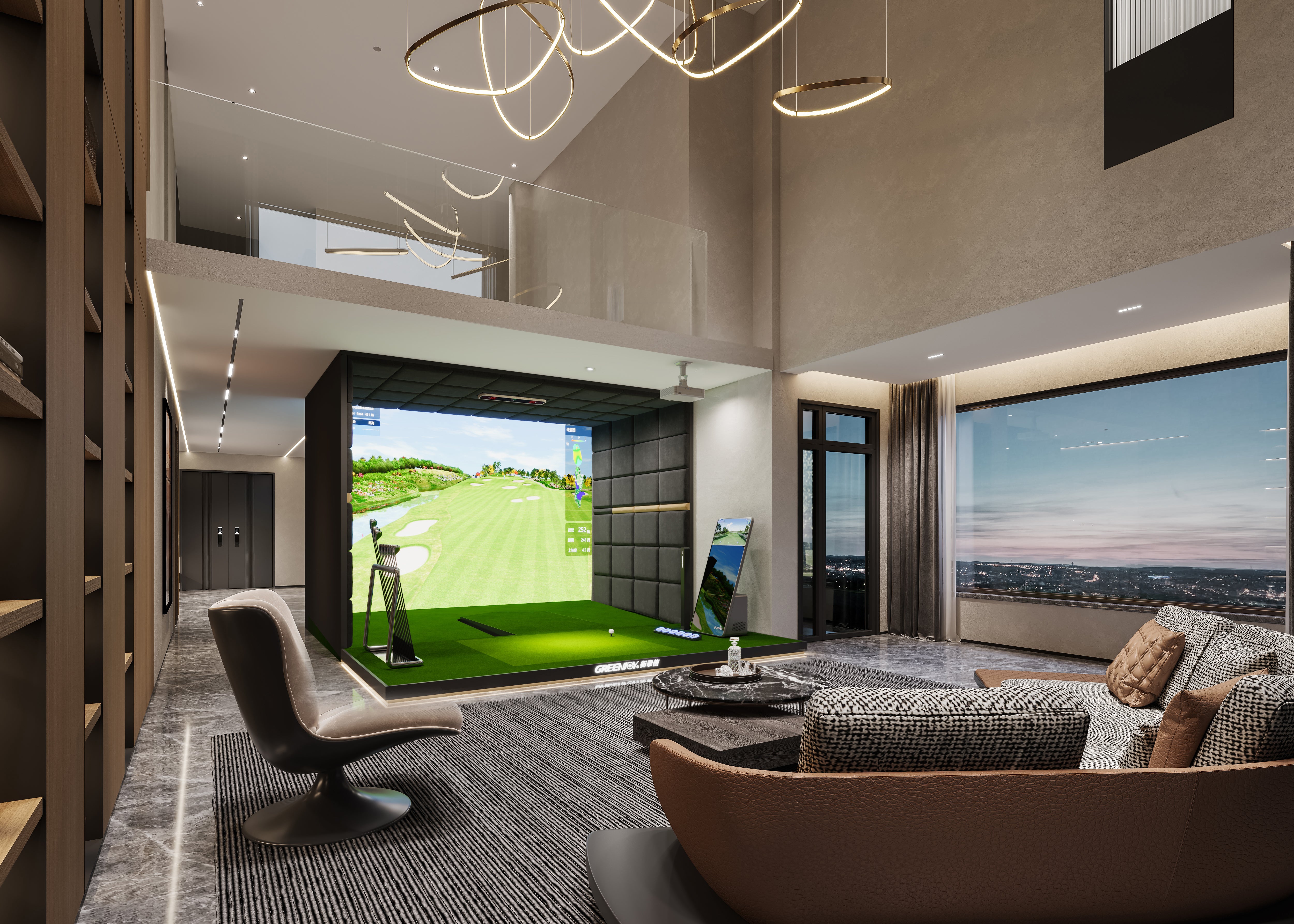
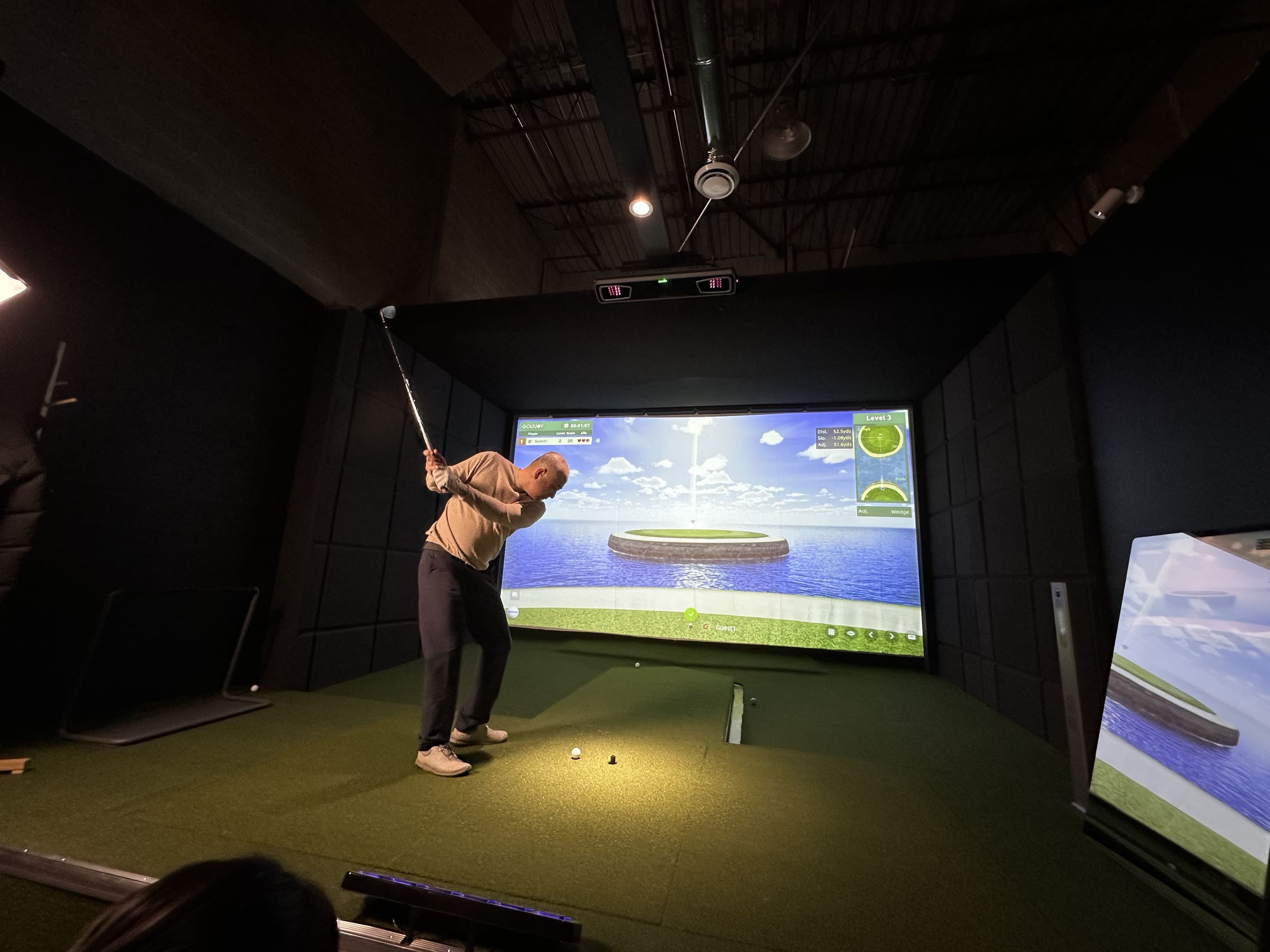
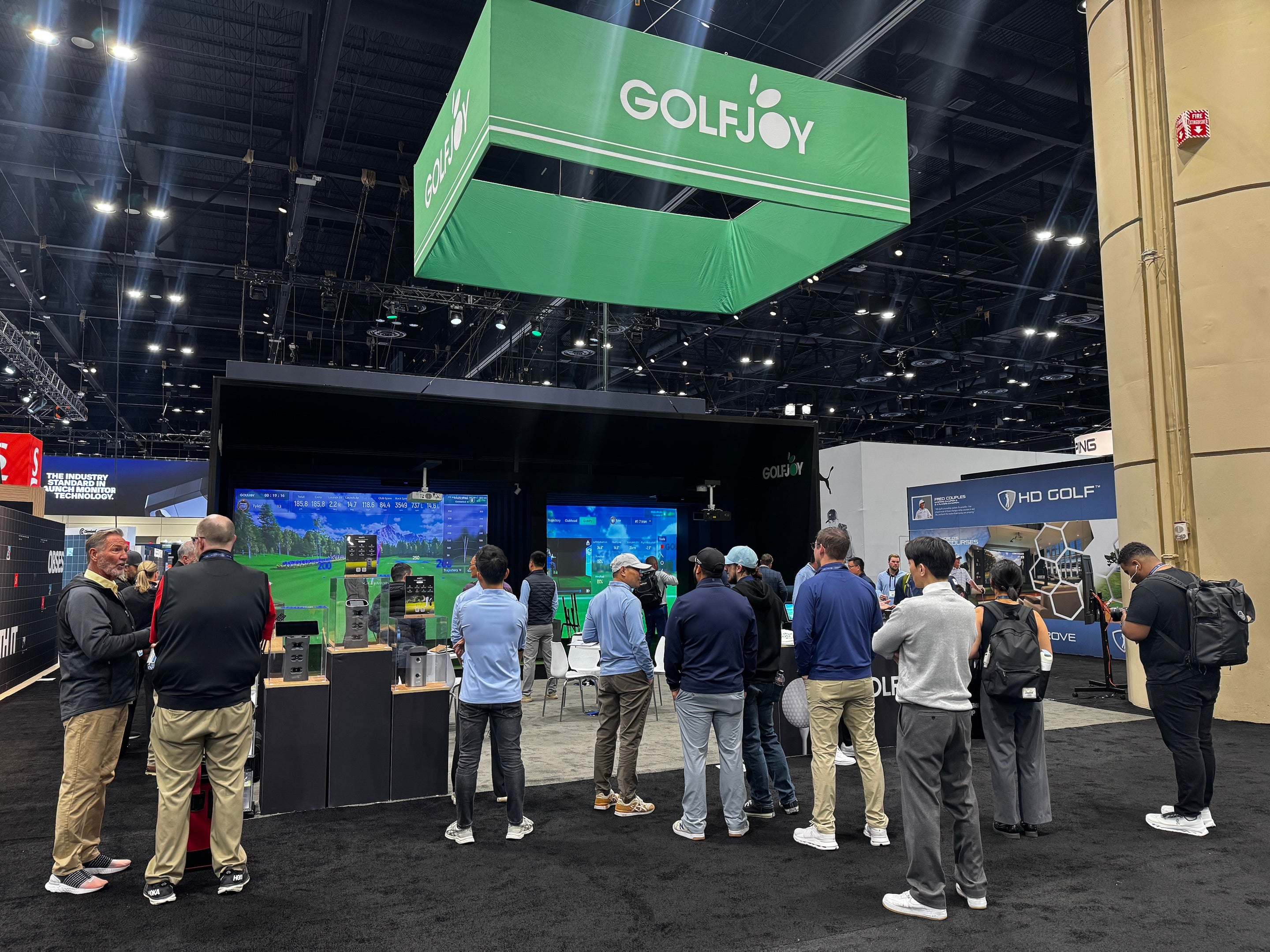
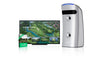
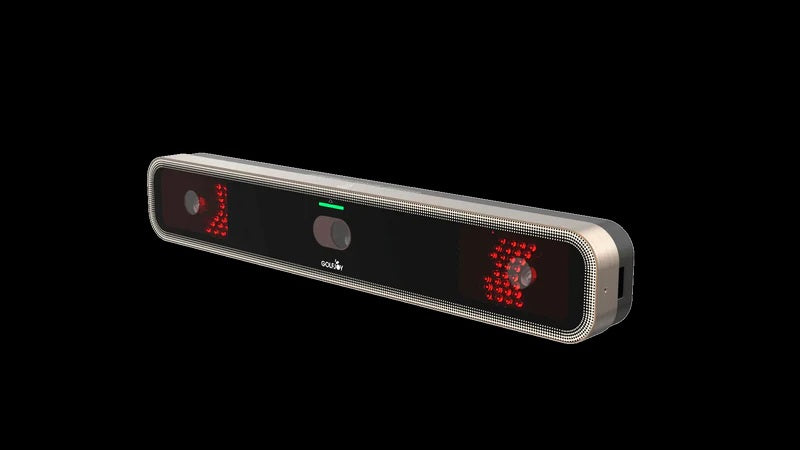
In modern golf facility operations, a golf course monitor has emerged as a powerful instrument for course management, player experience, and data-driven decision making. The GOLFJOY Rigel 3 overhead launch monitor is not just a tool for indoor simulators or private bays—it also holds promise for on-course applications, allowing clubs and facility managers to bring precision analytics into course environments. By turning each tee or fairway into a monitored zone, Rigel 3 can support better oversight, pacing, training services, and maintenance insights.
Elevating oversight: Rigel 3 as a golf course monitor
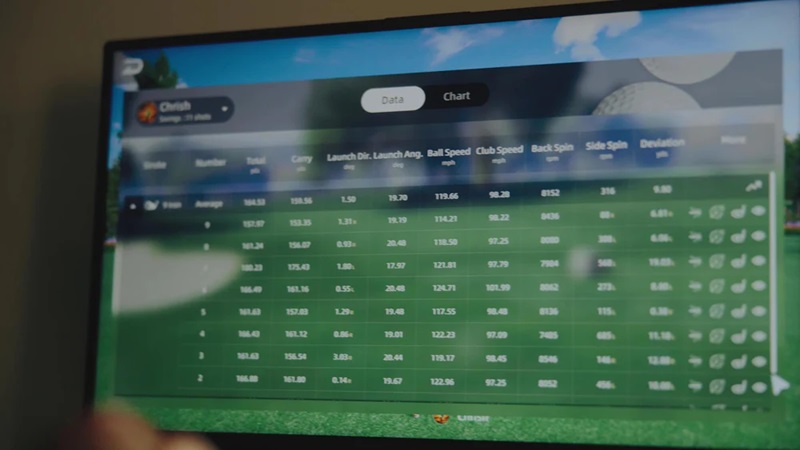
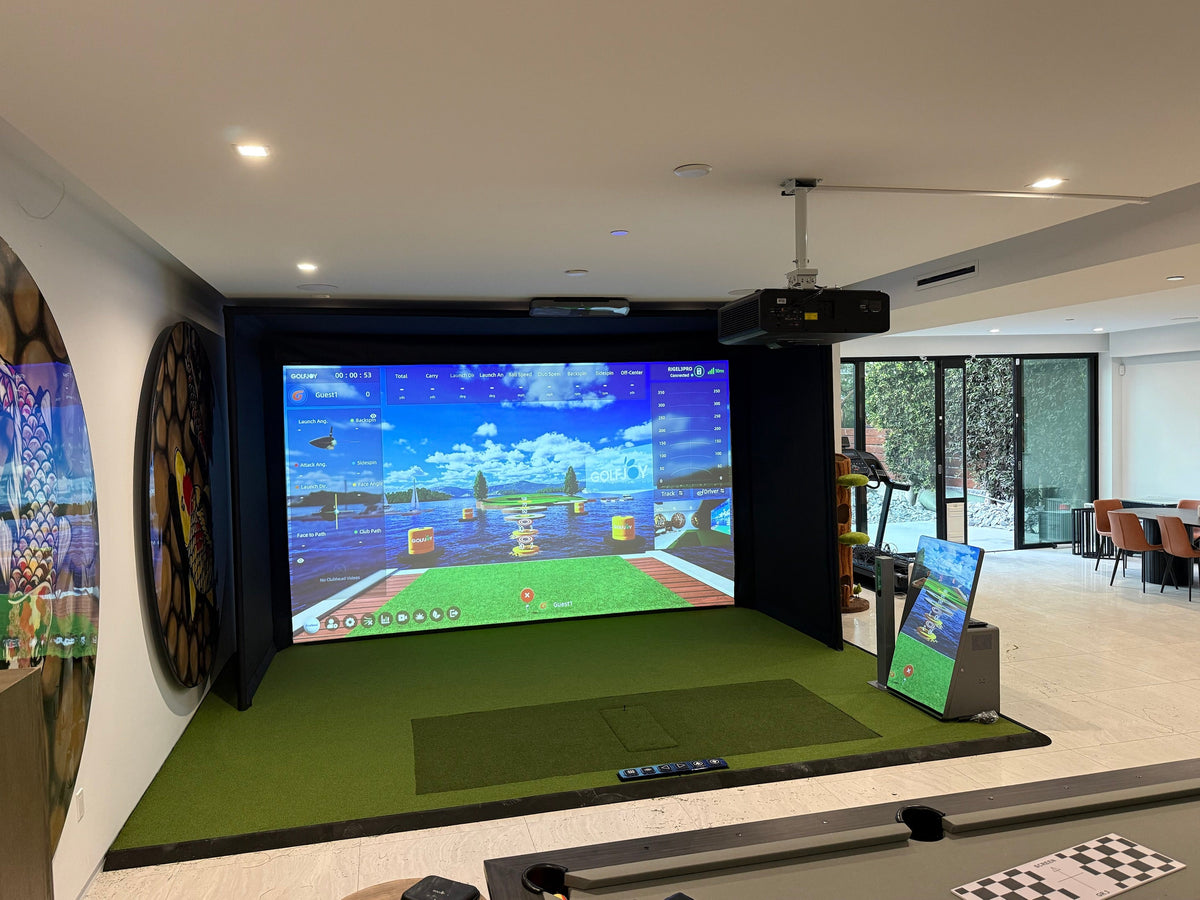
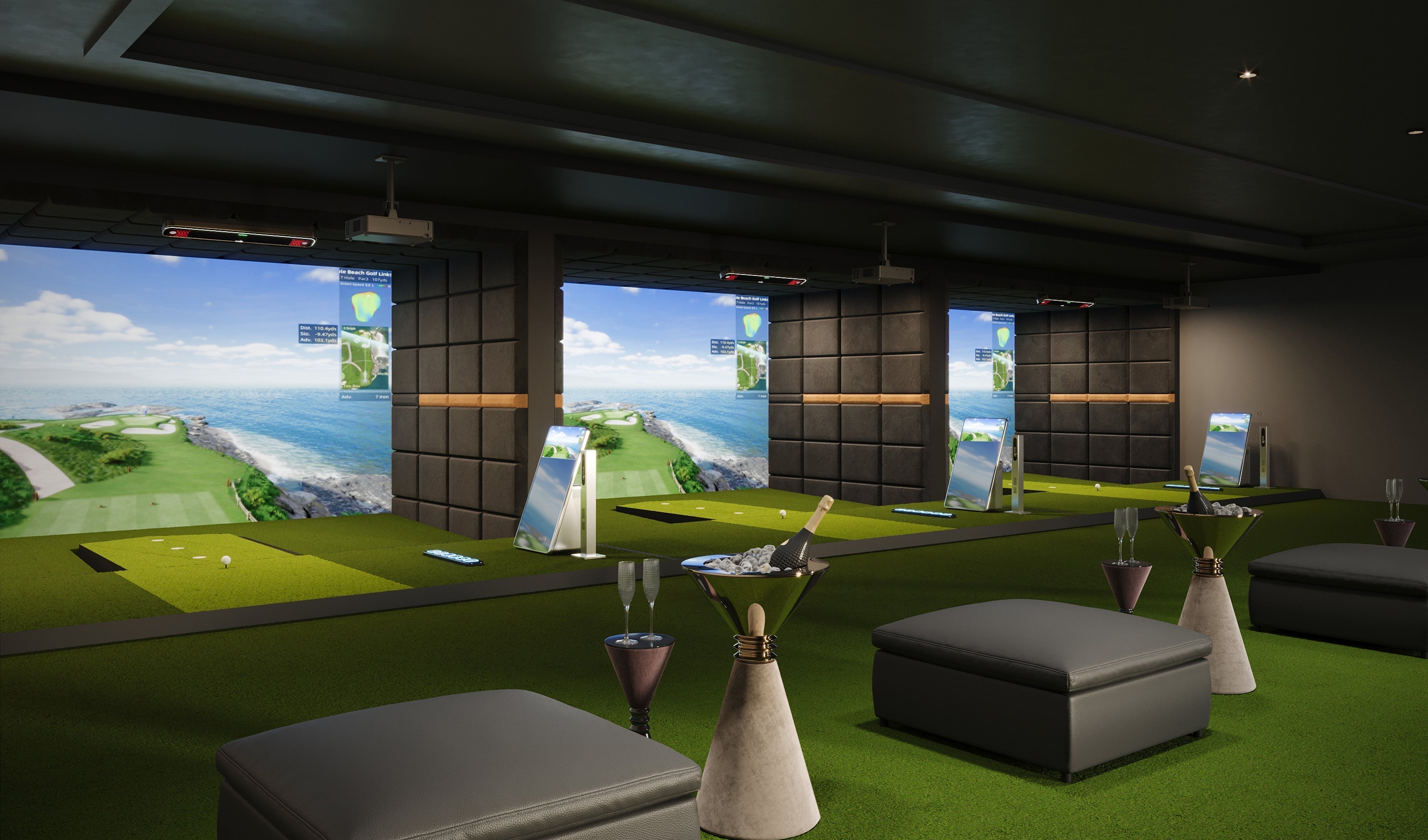
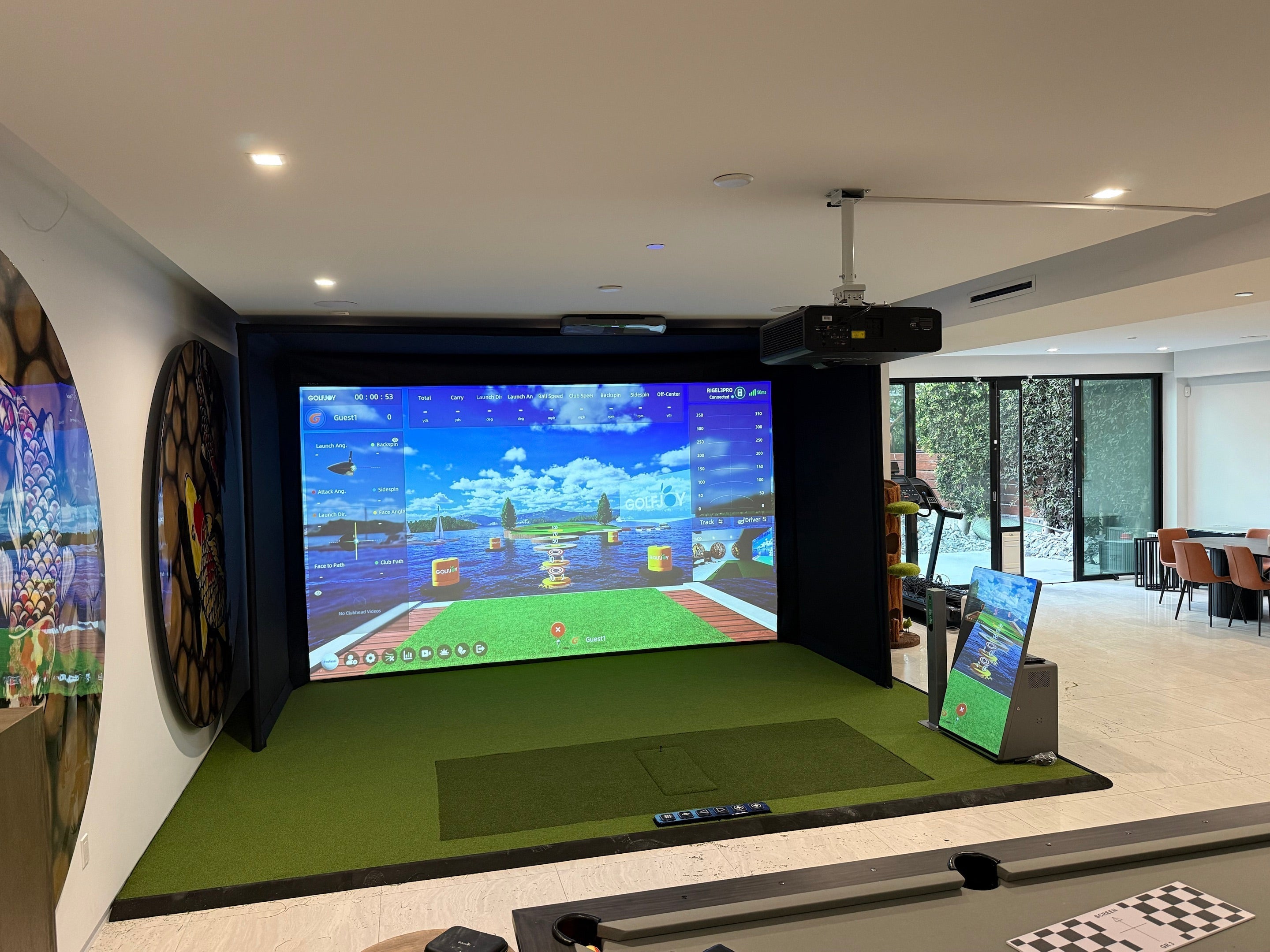
The concept of a golf course monitor suggests a deployment that watches and tracks play across real holes or driving zones. Rigel 3, with its overhead triple-camera setup and broad detection zone, can function in covered tee bays or sheltered practice zones to record every shot with up to 32 metrics: club speed, ball speed, spin, trajectory, carry, roll, launch angle, face angle, and more. Because it allows wide hitting zones, balls need not be precisely positioned every time—a benefit in an active environment. The smart putting system—a key feature of the GOLFJOY simulator powered by the Rigel 3 launch monitor—automatically activates within four yards of the green, enabling short game capture even in constrained spaces. In effect, Rigel 3 can act as a golf course monitor in hybrid settings: covered tees, sheltered ranges, or inside canopy enclosures, giving clubs deeper insight into member play and dynamics.
Tracking player performance across the course
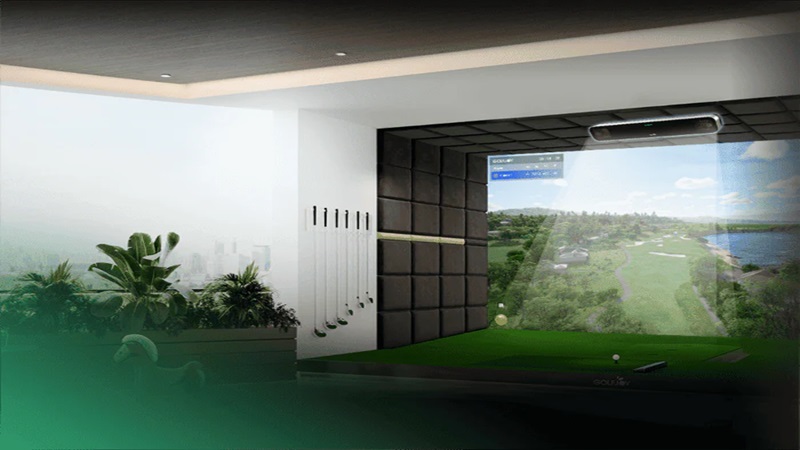
As a golf course monitor, Rigel 3 transforms how players—and staff—interact with data during actual rounds or training zones. Rather than leaving analytics confined to indoor bays, sections of the course can serve as monitored zones that feed back shot data immediately. This enables shot pattern analysis across holes, clustering of miss zones, and real-time feedback for players during warmups or events. Data from multiple session zones can be aggregated, giving course management teams visibility into common trouble areas (e.g. consistent shot dispersion toward a hazard), and allowing more personalized coaching or on-course signage. Because Rigel 3 supports full flight and spin metrics, staff can compare on‐course behavior to indoor practice metrics, bridging gaps between controlled and natural environments.

Can a golf course monitor like Rigel 3 handle outdoor variability?
Yes—with caveats. While Rigel 3 is optimized for indoor or sheltered environments, in partially protected zones it can still operate effectively if placed carefully. For example, tee complexes with overhead shading or shelter can host Rigel 3 units. The triple-camera design and fast data pipeline support capture even with some environmental variance. That said, wind, precipitation, glare, or heavy sunlight may introduce noise or detection challenges. Thus, for full outdoor application across open fairways, additional environmental shielding or hybrid systems would be needed. But for teeing areas, covered ranges, and practice greens, Rigel 3 functions reliably as a golf course monitor within those constraints.
Operational benefits and management insights
Deploying Rigel 3 as a course monitor gives clubs several strategic advantages. First, it supports player engagement and retention—members can see real on-course metrics, understand their shot tendencies, and compare them to practice range data. Second, for tournaments and coaching events, live metrics from monitored zones assist in shot planning and performance analysis on course. Third, adding analytics to tee areas elevates facility branding: the club can promote itself as tech-forward and data enabled, attracting more members or hosting events that depend on precise shot tracking.
Why Rigel 3 is well suited as a next-gen golf course monitor
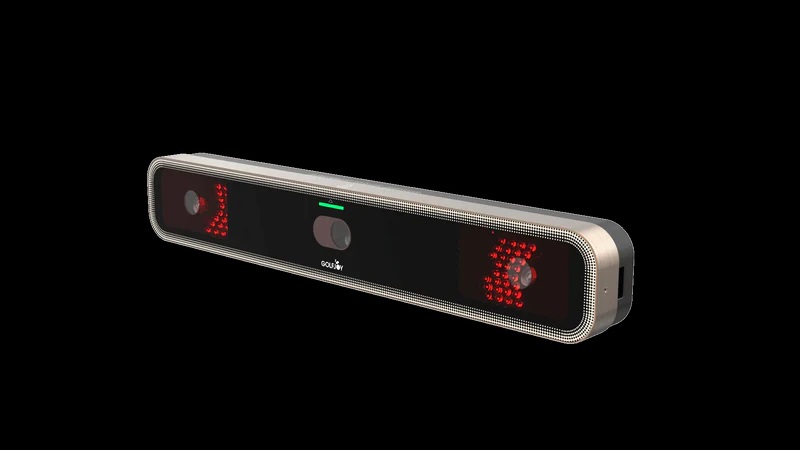
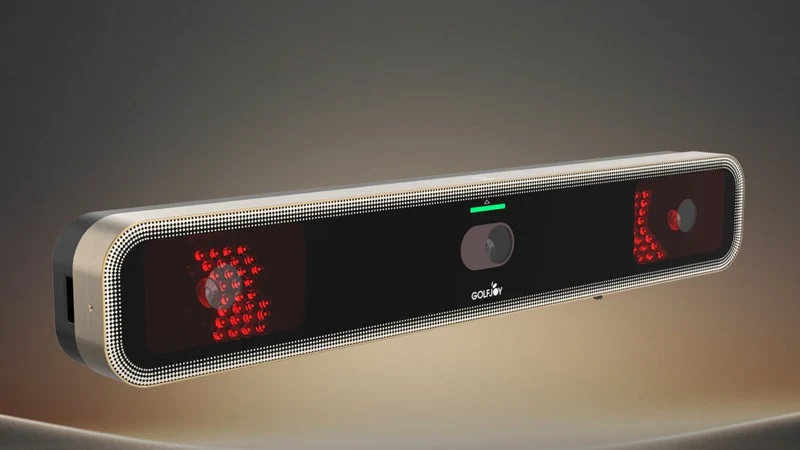
Rigel 3 is constructed from aerospace-grade aluminum, offering durability in demanding settings. Its overhead mounting and wide sensing zone reduce the need for exact ball placement, which is ideal in live on-course or practice settings. The inclusion of triple-camera precision, fast transmission (data latency ≤ 0.35 s) and advanced calibration ensures real-time performance. Because it outputs full 32 metrics and supports clubhead playback, it offers granular insight suitable for coaching and management alike. Finally, Rigel 3 already integrates with GOLFJOY's simulation and indoor golf simulator software ecosystem, making it easier to unify tracked data across bays, simulator rooms, and course zones.
In conclusion, adopting a golf course monitor mindset elevates how courses are managed and experienced. The GOLFJOY Rigel 3 overhead launch monitor is positioned not just as a simulator accessory, but as a capable, flexible tool that can extend precision data tracking onto the course itself—particularly in sheltered zones. By merging real-play metrics with coaching, facility insights, and player engagement, Rigel 3 becomes a true “new gadget” for course management, opening possibilities for smarter operations, deeper experience, and modern branding.

Leave a comment
All comments are moderated before being published.
This site is protected by hCaptcha and the hCaptcha Privacy Policy and Terms of Service apply.