





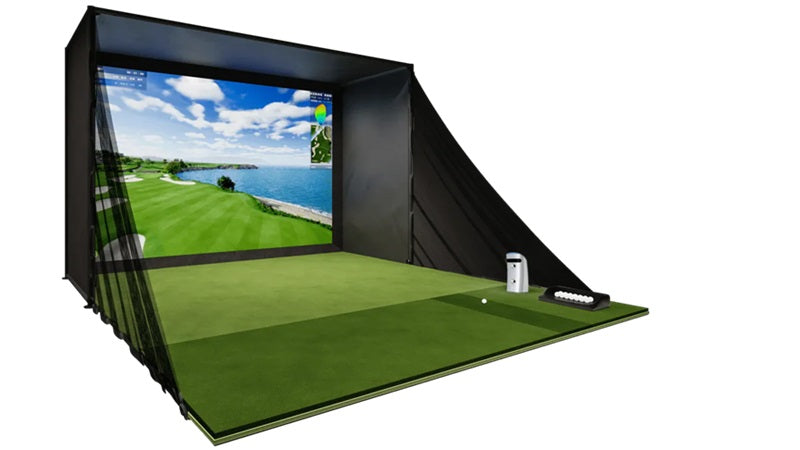
A golf simulator is a technology system that allows players to practice or play golf indoors by recreating real-world golf shots using sensors, cameras, or radar. It works by tracking your swing and ball data—such as speed, launch angle, and spin—and then using simulation software to display a virtual ball flight and course on a screen. In short, it transforms a physical golf swing into a realistic digital experience, making it possible to train, compete, and enjoy golf anytime, regardless of weather or location.
What Is a Golf Simulator?
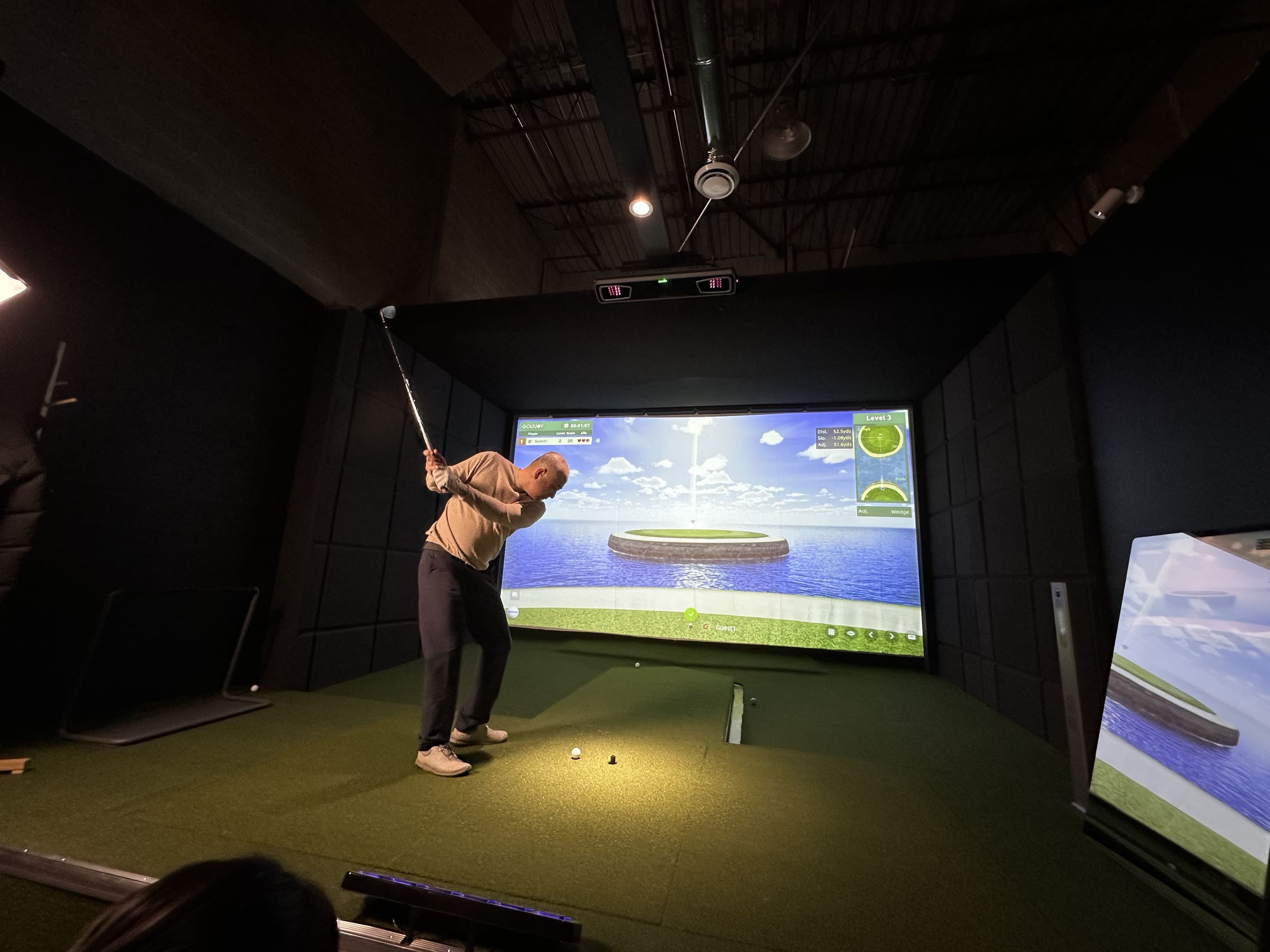
A golf simulator is an integrated setup that combines hardware and software to replicate the experience of playing golf in a virtual environment. Instead of hitting a ball across a real course, players hit into a screen or net while the system calculates and displays the ball’s flight in real time.
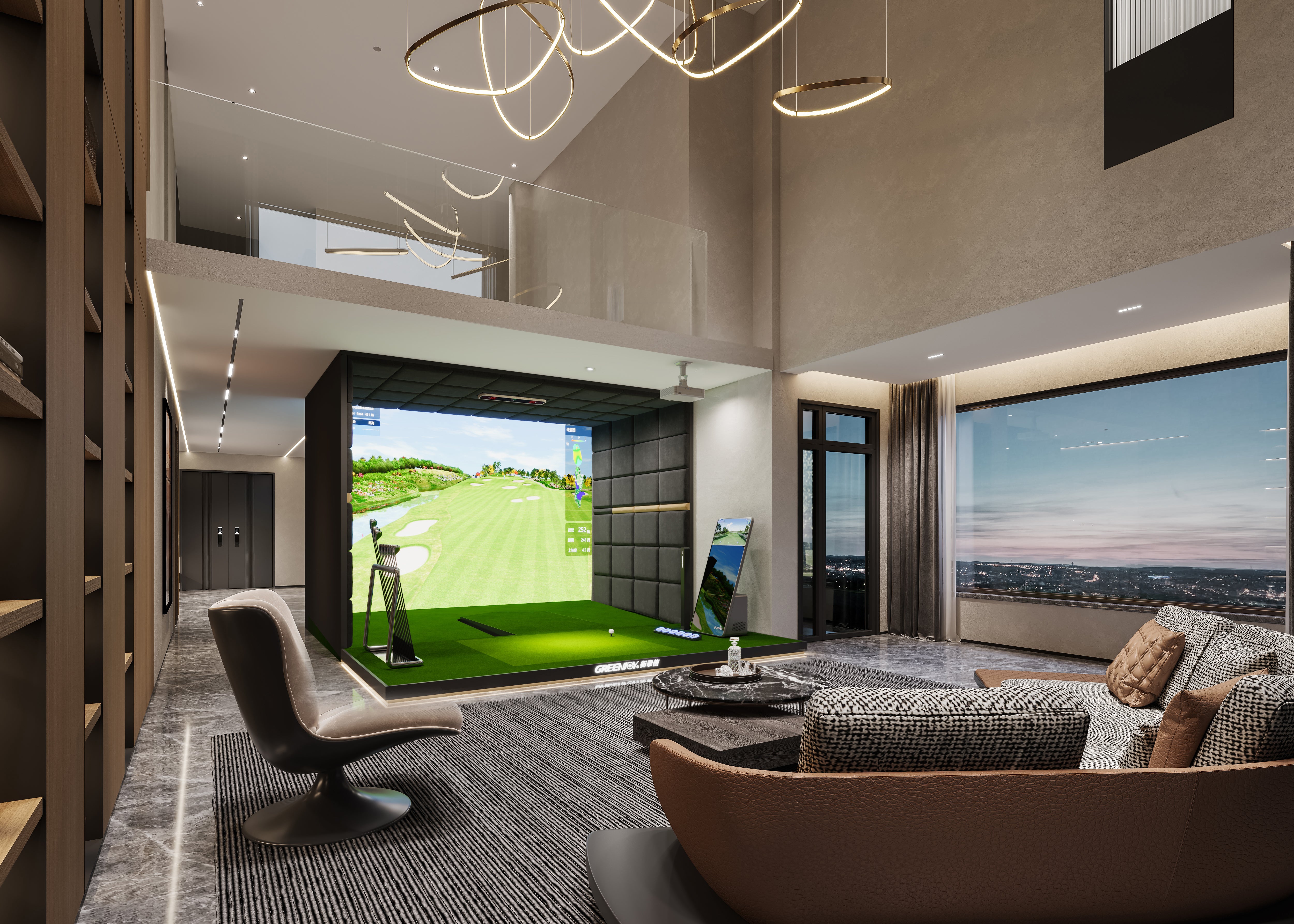
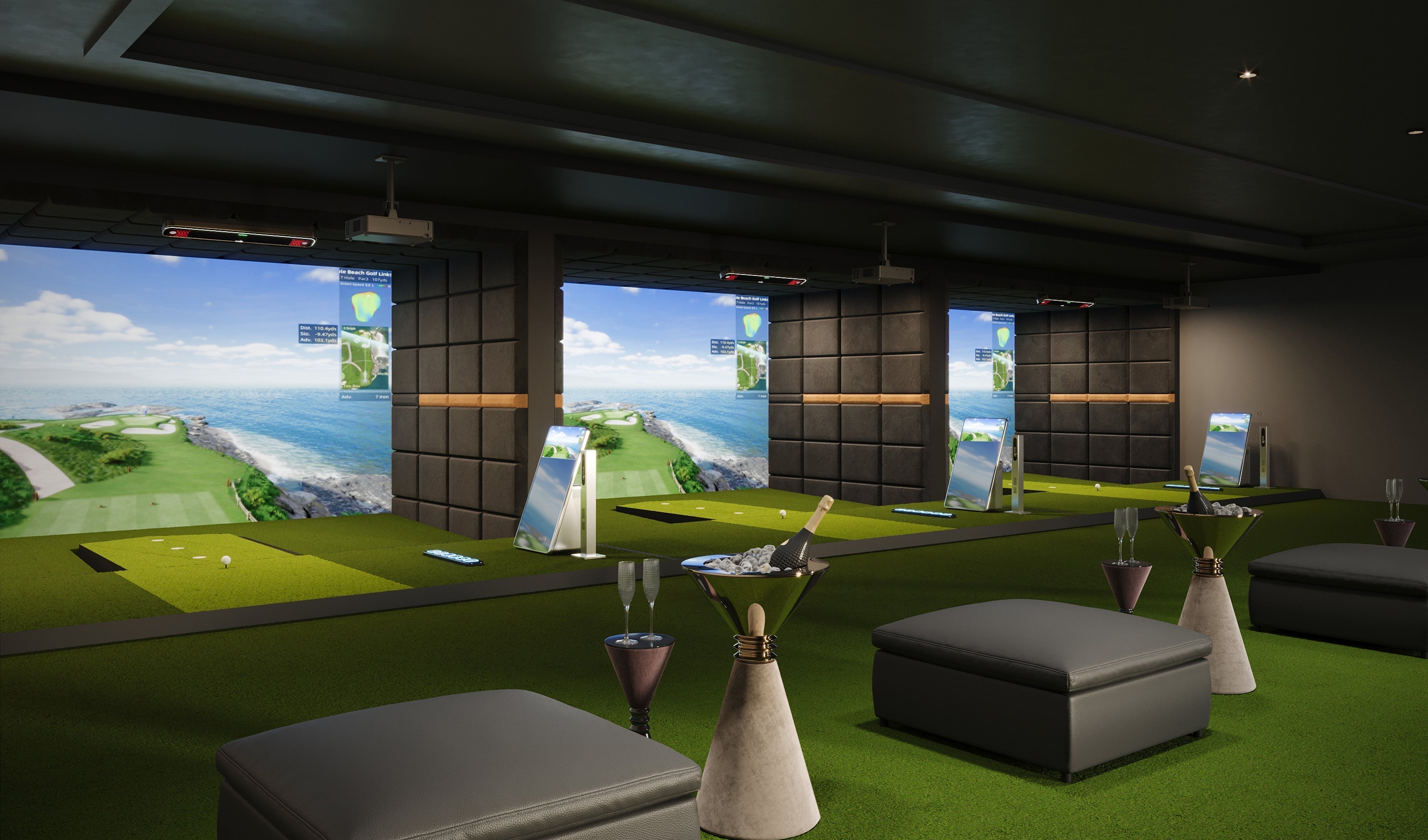
Today’s simulators are widely used in homes, training centers, and commercial venues. Depending on the setup, they can range from a compact residential golf simulator designed for personal use to a full-scale installation used in entertainment businesses.
Key Components of a Golf Simulator
Understanding the main components helps explain how a golf simulator works and why some systems are more accurate than others.
Launch Monitor
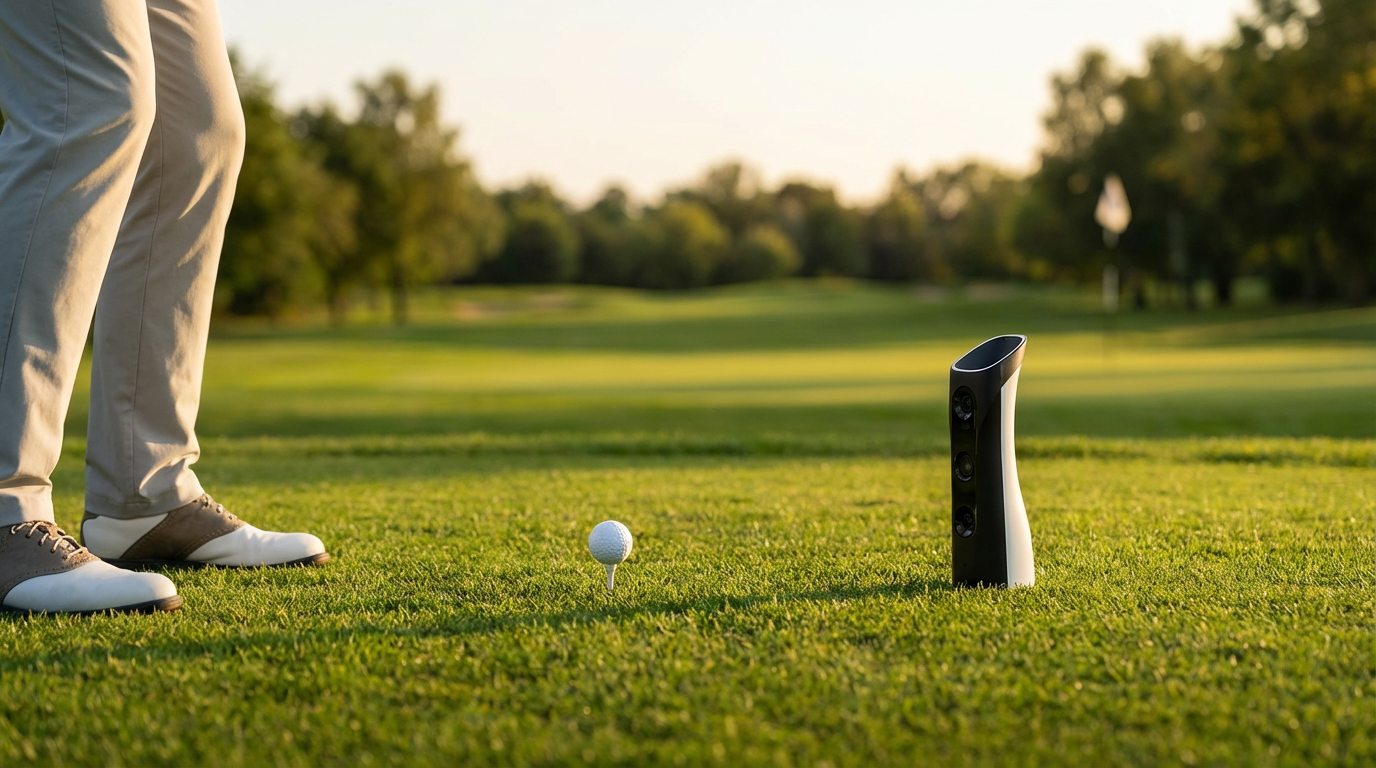
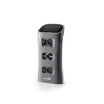
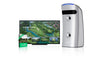
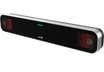
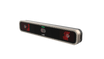
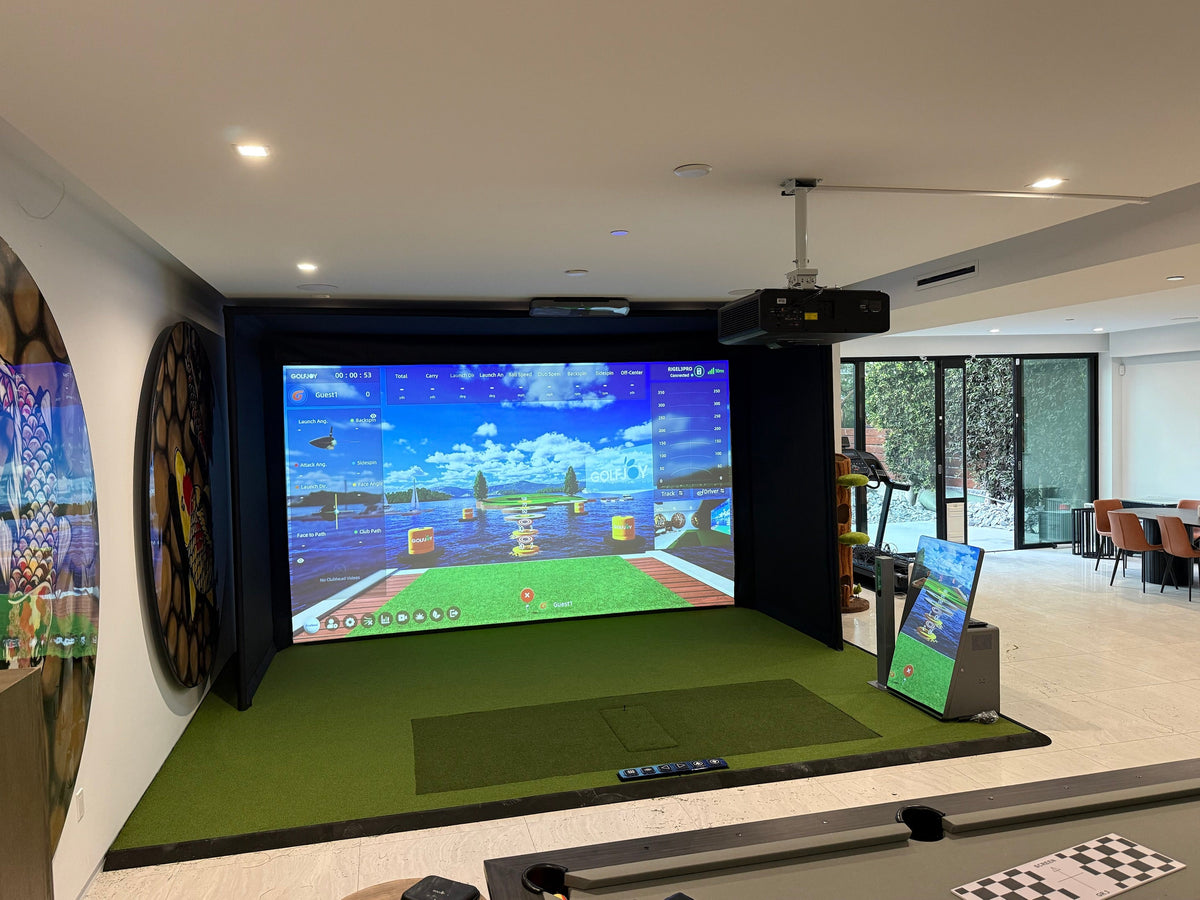
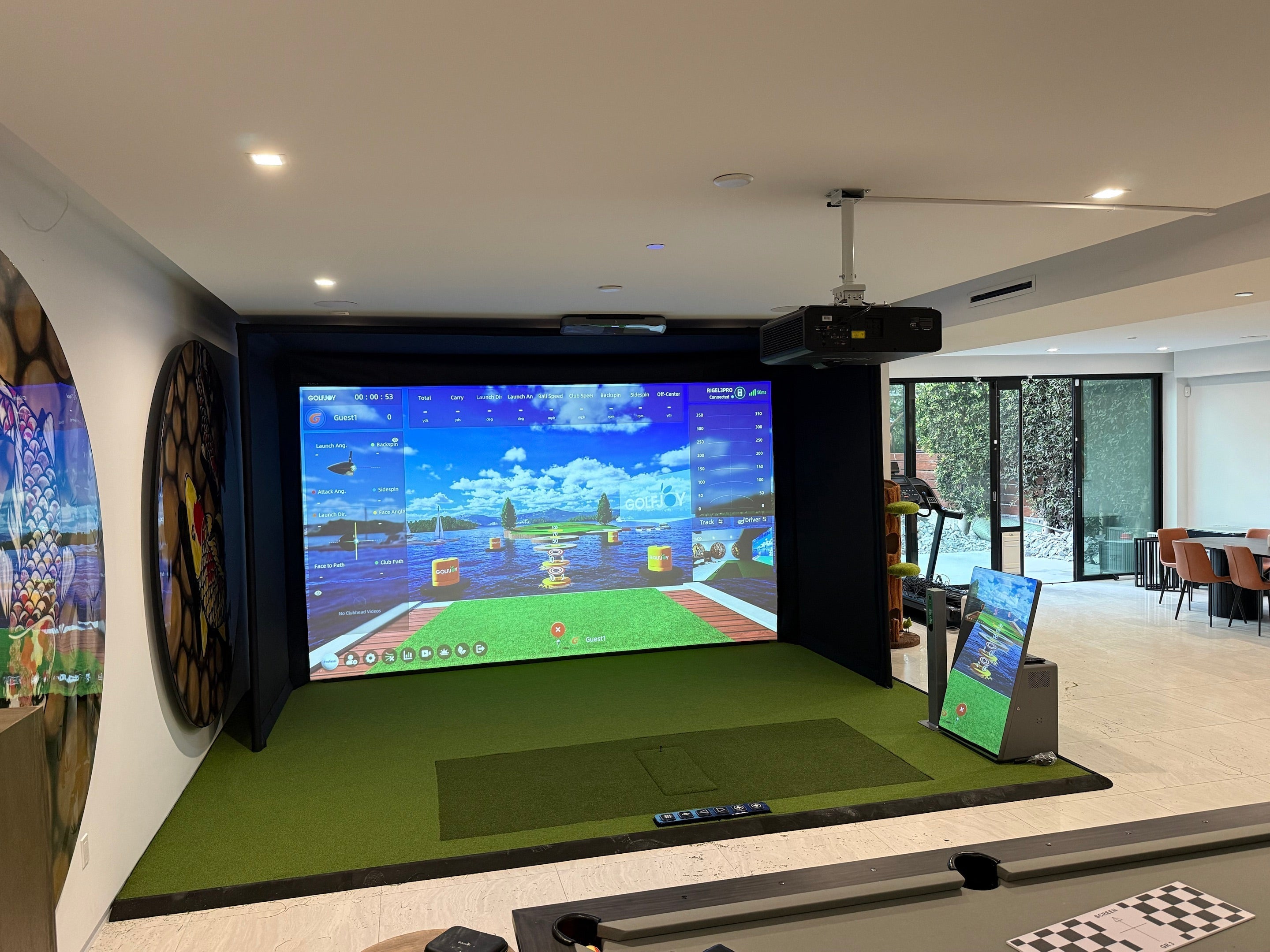
The launch monitor is the core device that captures ball and club data. Advanced systems like the GOLFJOY Spica 3 use high-speed cameras and AI tracking to measure performance with precision. In many setups, the launch monitor is placed either beside the player or mounted overhead — as with GOLFJOY's Rigel series — to capture every detail of the shot without interfering with the player's swing.
Impact Screen
The impact screen is designed to safely absorb the force of the golf ball while displaying the virtual course. It creates an immersive visual experience and is essential for both home and commercial golf simulators.
Projector
A projector displays the simulated course onto the screen. High-resolution projectors enhance realism and make gameplay more engaging, especially when paired with advanced golf simulator games that replicate famous courses.
Simulator Software
Software is what turns raw data into a playable experience. GOLFJOY Software offers realistic ball physics, practice modes, and an extensive course library — optimized to work seamlessly with GOLFJOY hardware. Popular third-party platforms such as E6 Connect and GSPro are also widely used across the industry.
Hitting Mat
The hitting mat replicates the feel of real turf and protects both the player and the floor. A good mat is essential for consistency and injury prevention.
How Do Golf Simulators Track Your Shot?
Golf simulators rely on advanced technologies to capture and analyze your swing and ball movement. These systems form the backbone of any golf simulator system, ensuring accurate and reliable feedback.
High-Speed Camera Tracking
Camera-based systems use high-speed imaging to capture the ball immediately after impact, analyzing multiple frames to calculate speed, spin, launch angle, and trajectory. This method is ideal for indoor environments because it is not affected by reflective surfaces, ceiling height, or enclosed spaces. GOLFJOY's entire sensor range — including the Rigel 2, Rigel 3, and Rigel 3 Pro — uses high-speed camera technology. The Rigel 3 Pro delivers accuracy within 1% of Trackman data, making it one of the most precise camera-based systems available at its price point.
Radar Tracking
Radar-based systems track the ball throughout its full flight path using signal-based technology. This approach is more commonly used in open outdoor environments, where there are no walls or ceilings to cause interference. Most high-end indoor simulators have moved toward camera-based tracking for more reliable results indoors.
Infrared Sensors
Infrared systems detect the ball as it passes through a sensor gate. These are typically found in entry-level setups and offer a more affordable starting point, though with less data detail than camera-based systems.
What Data Does a Golf Simulator Measure?
A major advantage of using a golf simulator is the depth of data it provides. This information is essential for improving performance and understanding your swing.
Ball Speed
Ball speed measures how fast the ball leaves the clubface and is a key factor in determining distance.
Launch Angle
Launch angle affects trajectory and carry distance, helping players optimize their shots.
Spin Rate
Spin rate determines how the ball behaves in the air and on landing, influencing accuracy and control.
Carry Distance
Carry distance measures how far the ball travels before touching the ground. It is one of the most important metrics for club selection.
What Do You Need to Build a Golf Simulator?
Building a golf simulator requires a combination of hardware, software, and space planning. Whether you are setting up a home unit or planning a golf simulator for business, the fundamentals remain similar.
Essential Equipment
To get started, you’ll need:
- A launch monitor (overhead or Floor-mounted)
- Impact screen or net
- Projector
- Hitting mat
- Compatible indoor golf simulator software
GOLFJOY offers complete simulator packages for both home and commercial use, with the Personal Simulator P7 and P8 designed specifically for home setups, and the Commercial Simulator built for multi-user venue installations.
Space Requirements
Typical space recommendations include:
- Width: 10–15 feet
- Depth: 12–20 feet
- Height: 8.5–10 feet
For more flexible setups, a golf simulator portable solution can be used in smaller spaces or multi-purpose rooms.
Budget Considerations
Costs vary depending on quality and purpose:
- Entry-level: $1,000–$3,000
- Mid-range: $3,000–$10,000
- High-end: $10,000+
For commercial buyers, the total investment includes professional installation, higher-spec hardware, and multi-user software licenses. GOLFJOY's team provides custom quotes for venue and driving range projects.
Installation Tips
- Ensure proper lighting conditions
- Align the launch monitor correctly
- Use a level hitting surface
- Optimize projector placement
Who Uses Golf Simulators?
Golf simulators are used by a wide range of players and businesses, reflecting their growing popularity.
Home Golfers
Many players install a personal golf simulator at home to practice year-round and improve their game without visiting a course. GOLFJOY's P7 and P8 are designed for this use case — delivering high-speed camera accuracy in a home-friendly form factor.
Golf Academies
Training facilities use simulators to provide data-driven coaching and detailed swing analysis. The depth of data from systems like the GOLFJOY Rigel 3 Pro enables coaches to identify exactly where a student needs to improve.
Entertainment Venues
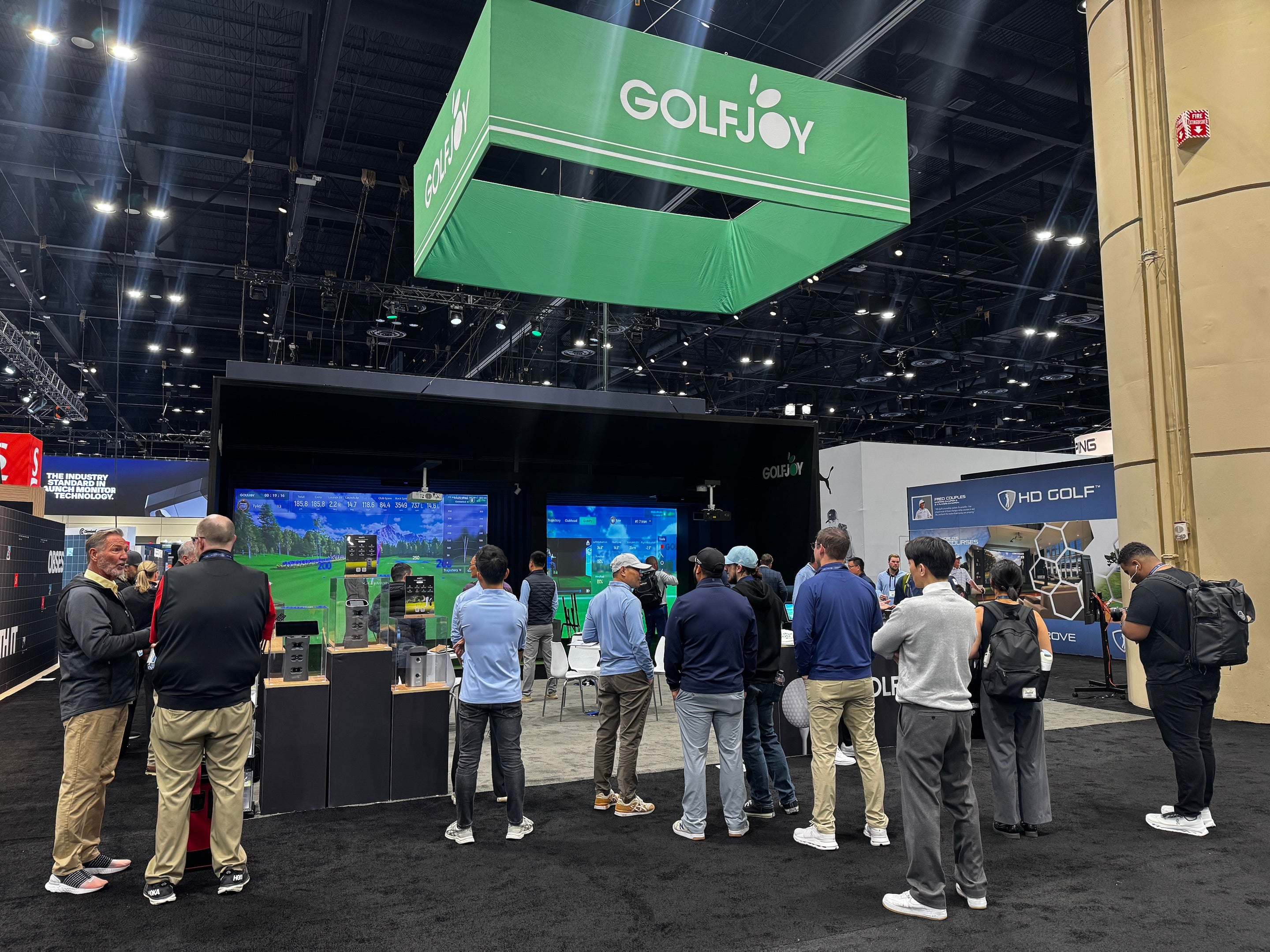
Businesses are increasingly investing in golf simulators to create engaging social experiences. GOLFJOY's Commercial Simulator uses overhead Rigel launch monitors for seamless multi-player tracking, making it a popular choice for golf entertainment venues and sports bars. For larger projects — including driving ranges, urban golf centers, and full golf facilities — GOLFJOY offers fully customized design and installation services tailored to the venue's layout and requirements.
Why Golf Simulators Are Growing in Popularity
The demand for golf simulators continues to grow due to several factors:
- Increased interest in indoor sports
- Advances in tracking technology
- Greater accessibility for beginners
According to the National Golf Foundation, off-course golf participation—including simulators—has seen significant growth in recent years, especially among younger audiences.
FAQs About Golf Simulators
What is a golf simulator used for?
A golf simulator is used for practice, training, and entertainment. It allows players to analyze their swing and play virtual courses indoors.
How do golf simulators work indoors?
They use high-speed cameras or other sensors to track the ball and club at impact, then simulate ball flight using physics-based software displayed on a screen.
Are golf simulators accurate?
High-quality systems are very accurate. GOLFJOY's Rigel 3 Pro, for example, achieves accuracy within 1% of Trackman data using high-speed camera tracking — without the price tag of professional radar systems.
What do you need for a golf simulator at home?
You need a launch monitor, hitting mat, impact screen or net, projector, and simulation software. GOLFJOY's Personal Simulator P7 and P8 include everything needed for a complete home setup.
Can beginners use golf simulators?
Yes, simulators are suitable for all skill levels. GOLFJOY Software includes beginner-friendly training modes and practice ranges alongside full course play.
Do golf simulators require a lot of space?
Not necessarily. A minimum ceiling height of 8.2 feet and a length of around 10–12 feet is sufficient for most home setups. GOLFJOY's P8 personal simulator starts at 10ft (L) × 8.2ft (H) × 4.9ft (D) — designed to fit a standard garage or basement bay without renovation.
Ready to bring the golf course indoors?
Explore GOLFJOY's full range of simulators, launch monitors, and software at golfjoy.com. Contact our team directly for pricing and availability in your region. US customers can shop and order directly at golfjoyamerica.com — with shipping
References
[1] National Golf Foundation. (2023). Off-Course Golf Participation Report.
[2] United States Golf Association. (2022). Technology in Golf Equipment and Training.
[3] Launch Monitor Technology Overview – PGA of America

Leave a comment
All comments are moderated before being published.
This site is protected by hCaptcha and the hCaptcha Privacy Policy and Terms of Service apply.