






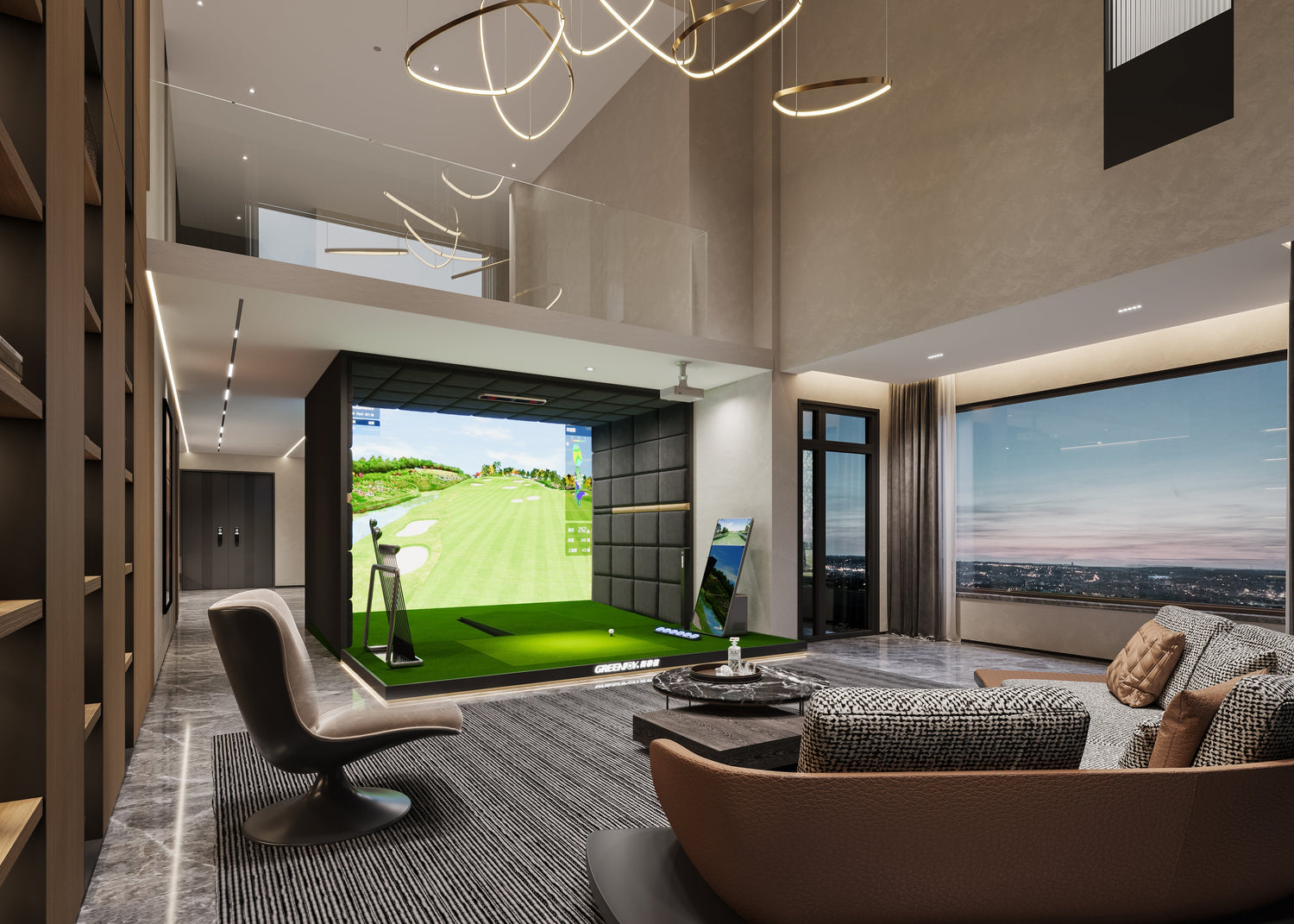
Starting a golf simulator business can be a highly profitable opportunity in 2026, especially as demand for indoor entertainment and off-course golf experiences continues to rise. At its core, you need the right location, reliable equipment, and a clear revenue model. With proper planning, many simulator businesses can generate consistent income through hourly play, memberships, and events.
Why Golf Simulator Businesses Are Growing
Golf simulators are no longer just training tools—they’ve become a major part of the modern golf ecosystem.
Several trends are driving this growth:
- Increased demand for indoor entertainment
- Year-round accessibility regardless of weather
- Growing interest from younger and casual players
- Integration of gaming and social experiences
According to the National Golf Foundation, off-course golf participation has surged in recent years, with simulator-based venues playing a significant role.
Unlike traditional golf courses, simulator businesses require less land and can operate in urban areas, making them more accessible and scalable.
Startup Costs
Understanding your initial investment is critical when planning your business.
Typical Startup Cost Breakdown
- Basic setup (1–2 bays): $20,000 – $50,000
- Mid-size facility (3–5 bays): $50,000 – $150,000
- Premium venue (5+ bays): $150,000 – $300,000+
These costs include:
- Equipment
- Lease and renovation
- Furniture and interior design
- Software licensing
- Marketing and branding
The commercial golf simulator price varies depending on the level of technology and durability required for heavy usage.
Investing in high-quality commercial golf simulators is essential to ensure long-term reliability and customer satisfaction.
Space Requirements
Your business location and layout play a major role in both customer experience and operational efficiency.
Per Simulator Bay Requirements
- Width: 12–16 feet
- Depth: 15–20 feet
- Height: 10–12 feet
A typical facility with multiple bays also needs:
- Waiting/lounge area
- Reception desk
- Storage space
- Optional food & beverage area
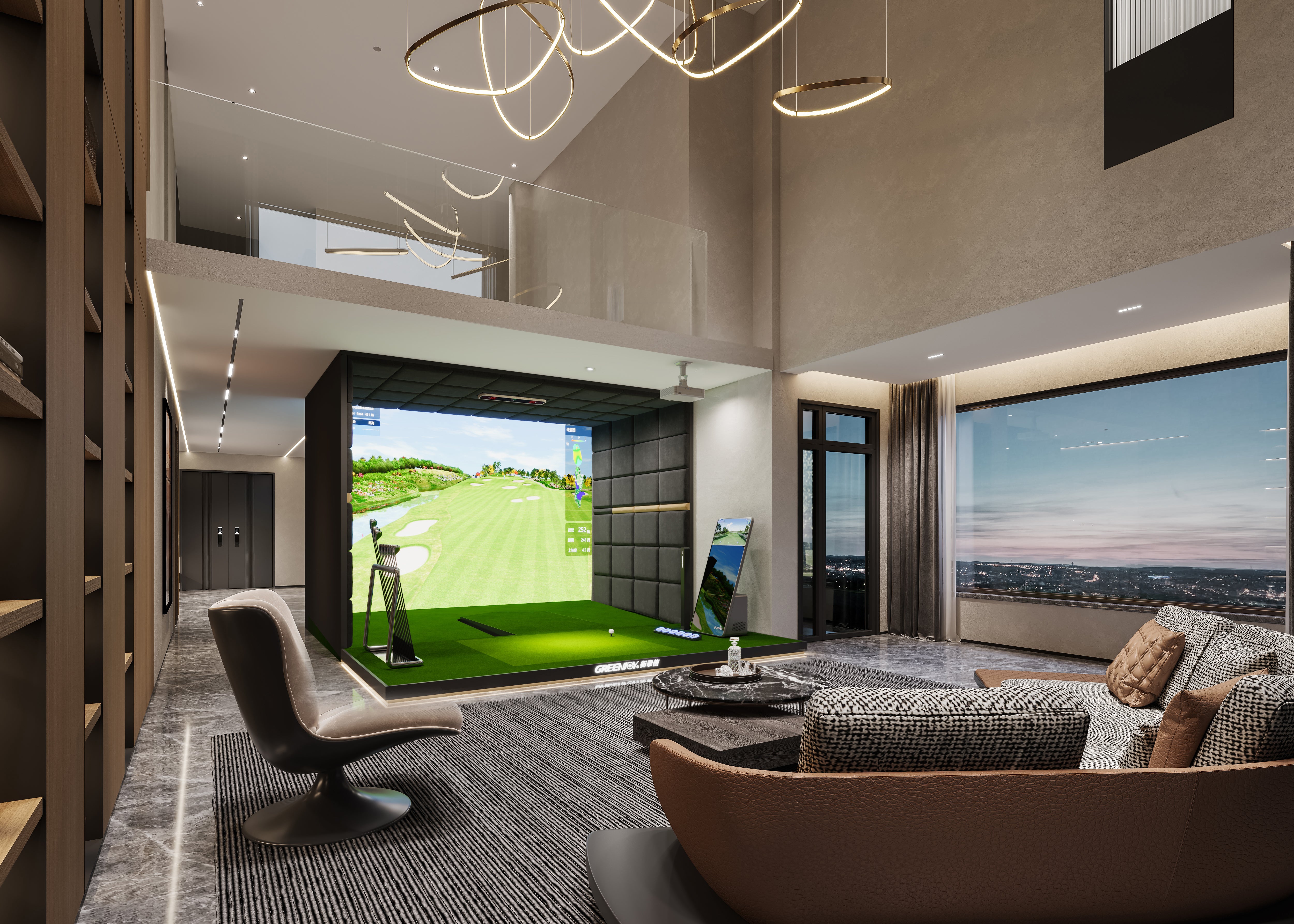
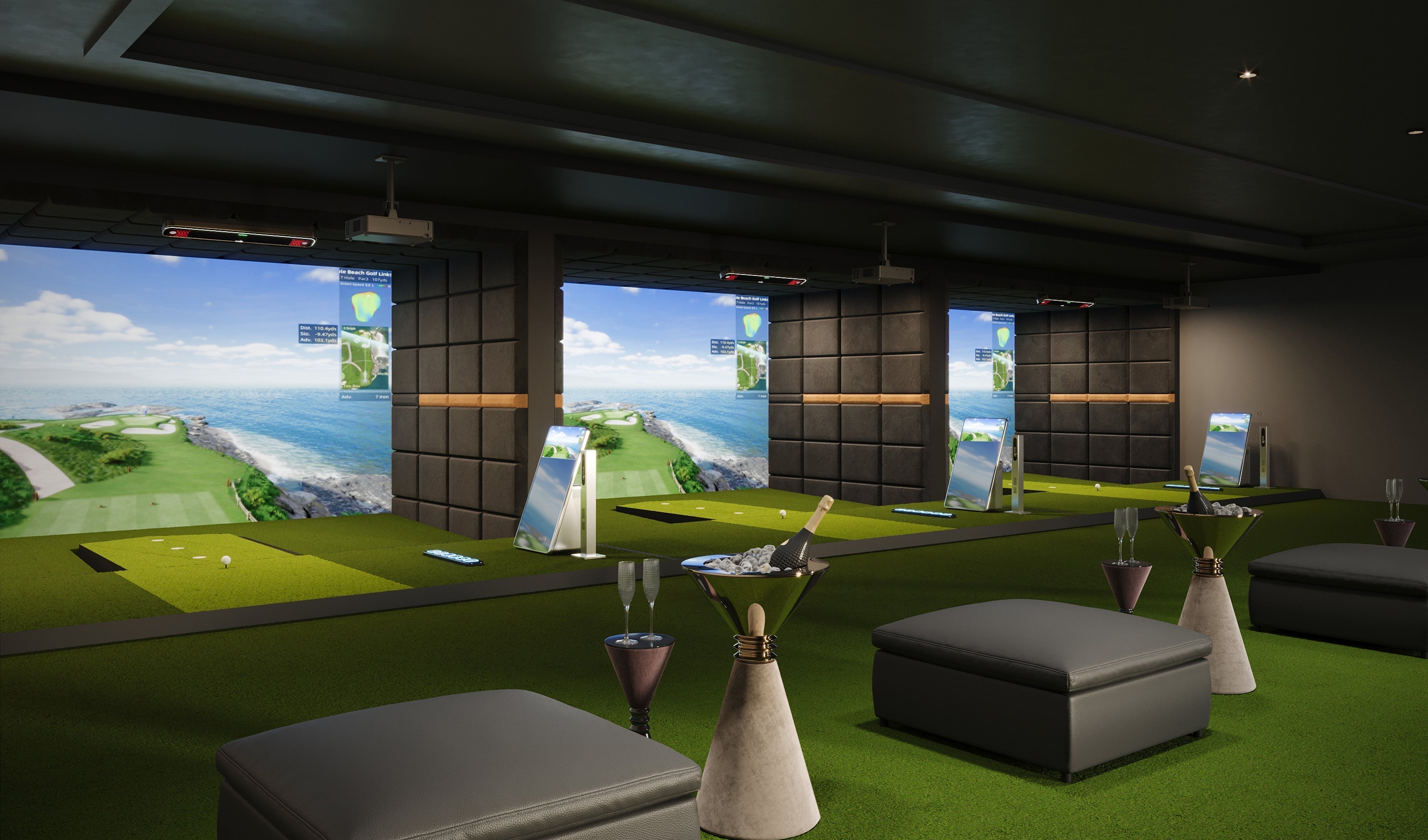
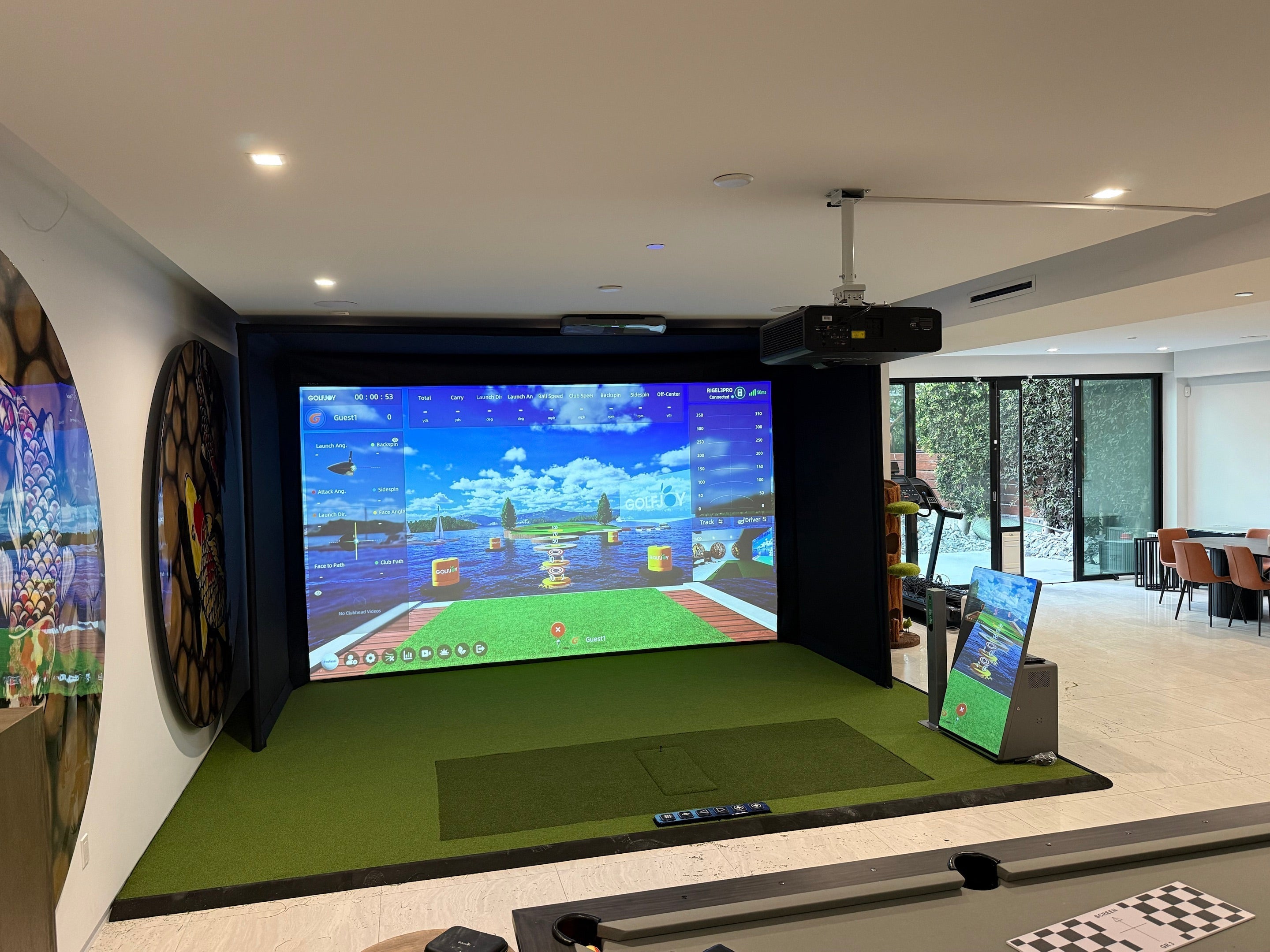
Many operators design their venues around a commercial indoor golf simulator layout to maximize both capacity and comfort.
Choosing the right space can significantly impact your revenue potential and customer retention.

Choosing Commercial Golf Simulators
Selecting the right equipment is one of the most important decisions you’ll make.
Key Factors to Consider
1. Accuracy and Reliability
Your simulator must deliver consistent and accurate results. Customers expect a realistic experience.
2. Durability
Commercial environments require equipment that can handle continuous use.
3. User Experience
The system should be intuitive and engaging, even for beginners.
4. Software Capabilities
Look for systems that support multiplayer modes, tournaments, and diverse course options.
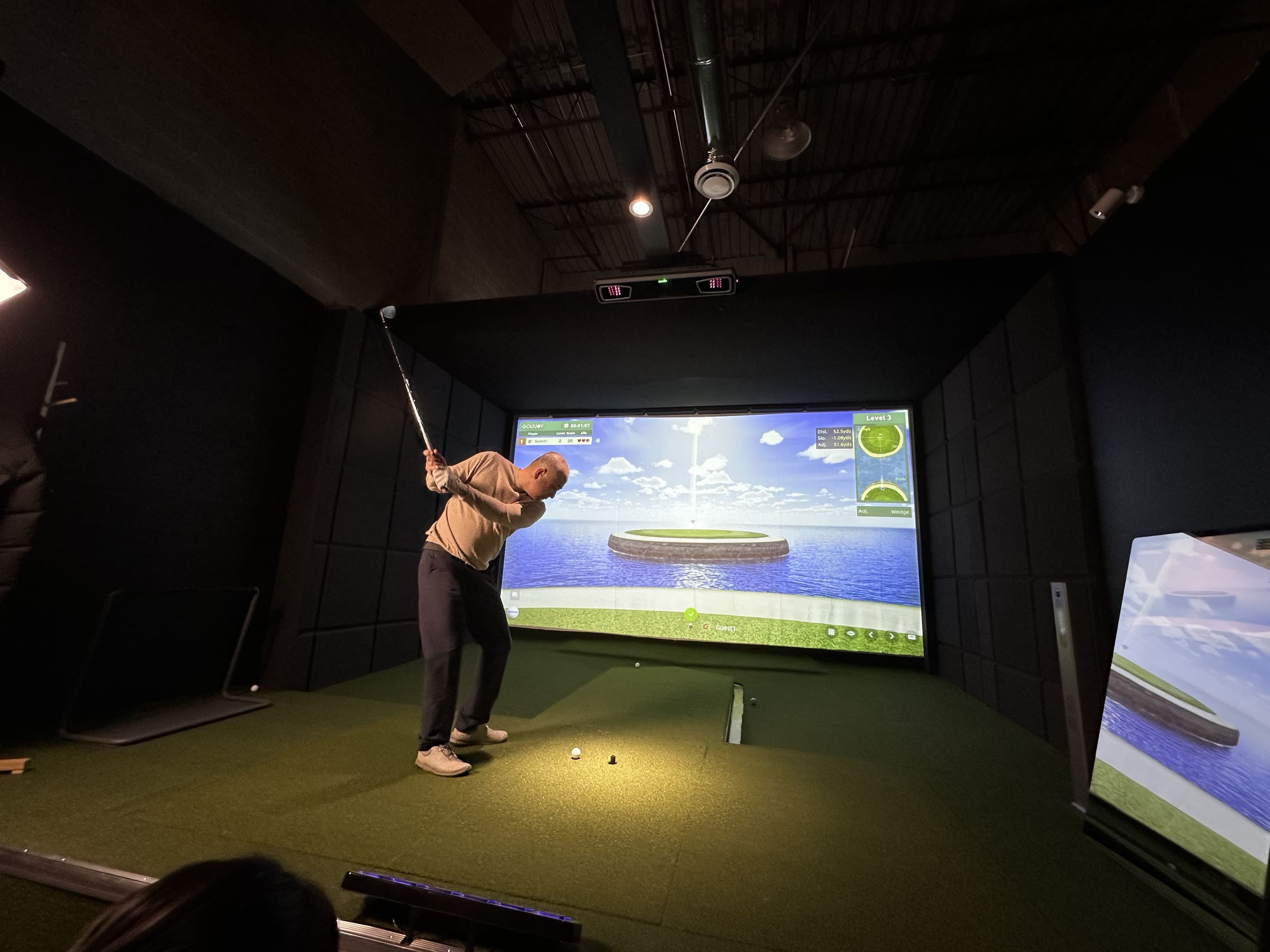
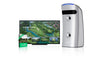
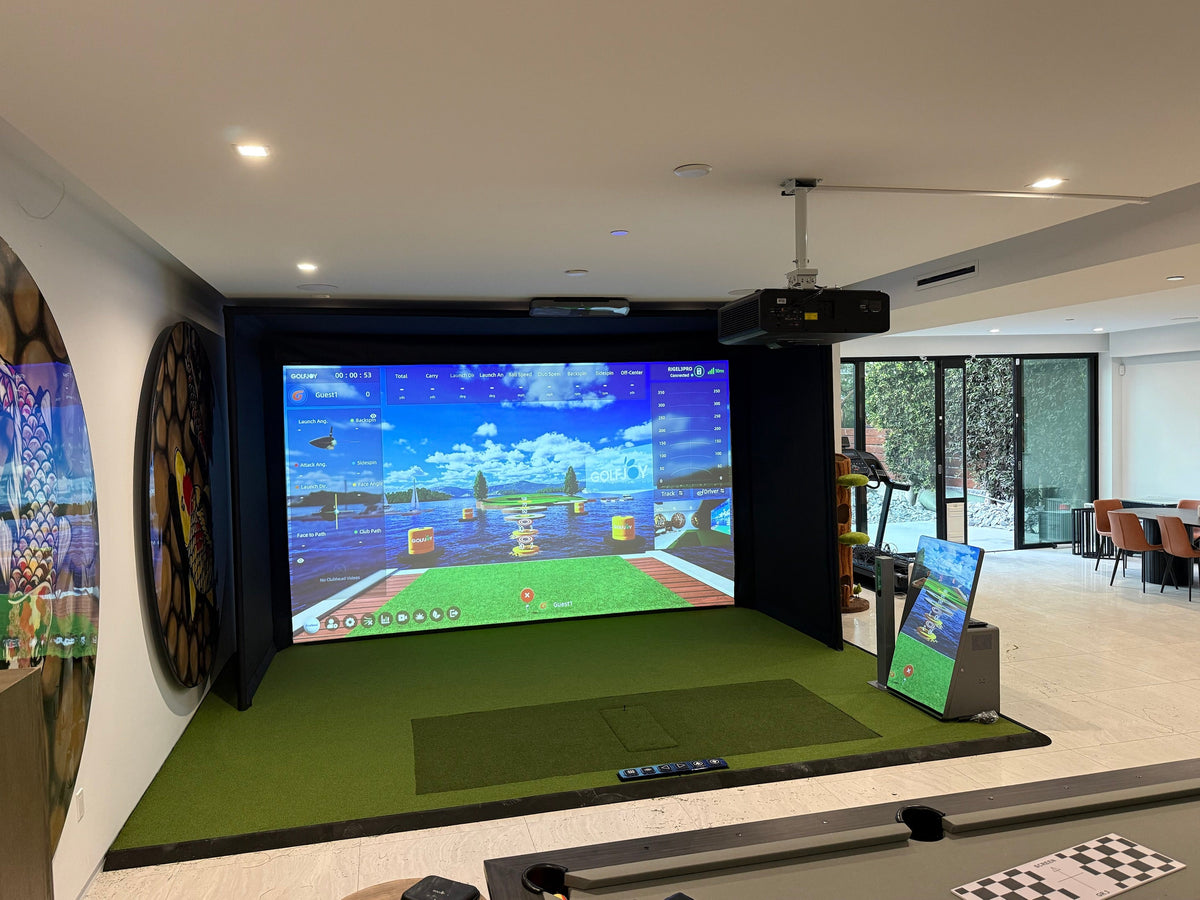
Modern systems from GOLFJOY use high-speed camera tracking, making them suitable for indoor commercial environments where precision and consistency are critical.
Many businesses invest in a complete golf simulator system that integrates hardware and software seamlessly.
Revenue Models
A successful golf simulator business typically relies on multiple revenue streams.
1. Hourly Play
Customers pay by the hour to use the simulator.
Typical pricing:
- $30 – $80 per hour (depending on location and quality)
This is the most common and straightforward revenue model.
2. Memberships
Recurring monthly memberships provide stable income.
Benefits:
- Predictable cash flow
- Customer loyalty
- Increased usage
Memberships are often bundled with perks such as discounted rates or priority booking.
3. Events and Group Bookings
Events can significantly boost revenue.
Examples include:
- Corporate events
- Birthday parties
- Golf leagues and tournaments
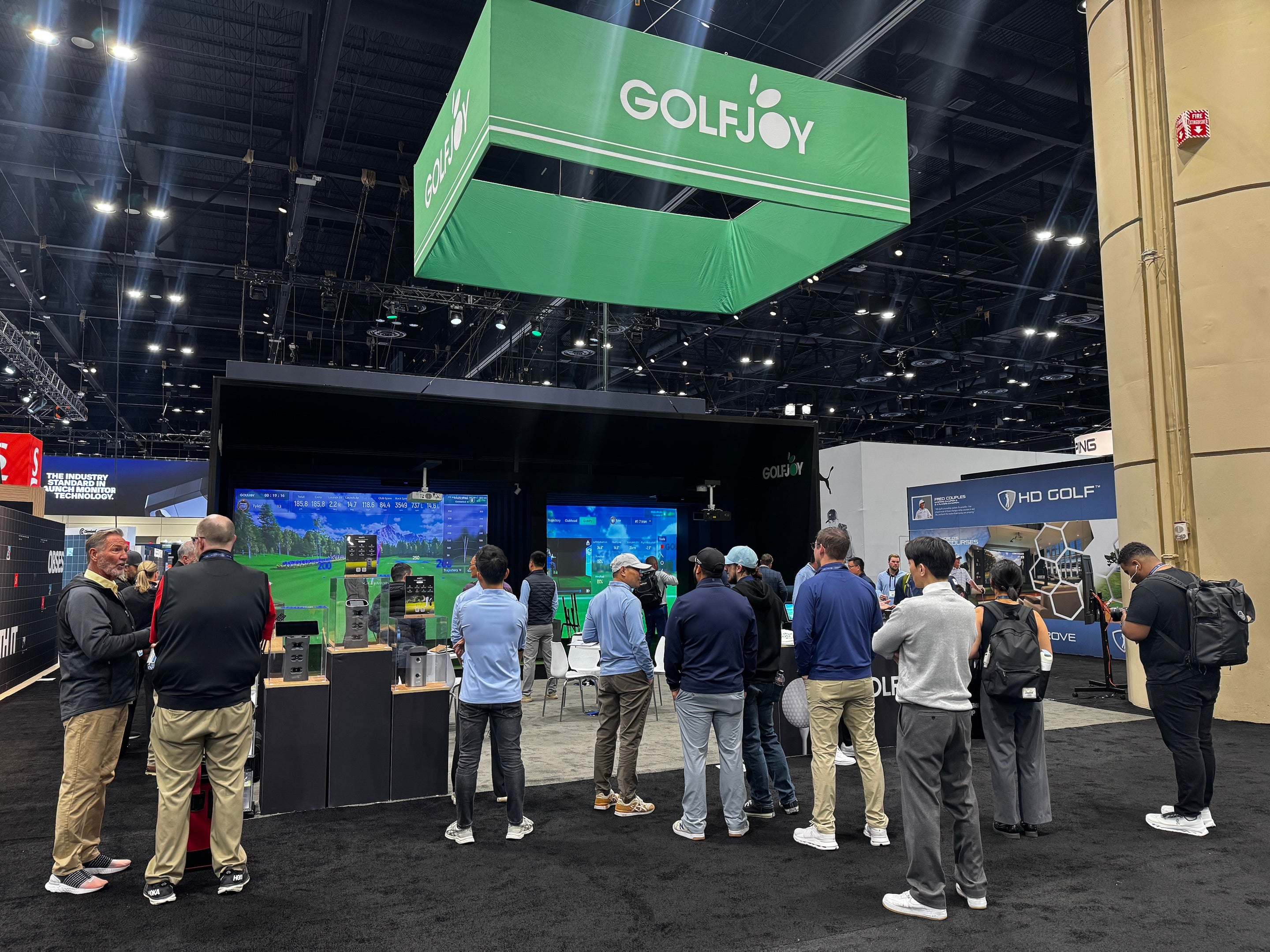
Many venues position themselves as entertainment hubs using golf simulators for business, combining sports and social experiences.
Profit Potential
Golf simulator businesses can be highly profitable when managed effectively.
Example Revenue Scenario (Single Bay)
- Average rate: $50/hour
- Daily usage: 6 hours
- Monthly revenue: ~$9,000 per bay
With multiple bays and additional revenue streams, total income can scale quickly.
Key Profit Drivers
- Location (urban areas perform better)
- Equipment quality
- Customer experience
- Marketing and branding
Operators who invest in high-quality commercial indoor golf simulator setups often command higher pricing and attract repeat customers.
Long-Term Growth Opportunities
As your business grows, you can expand by:
- Adding more simulator bays
- Offering coaching services
- Selling food and beverages
- Hosting leagues and tournaments
A well-structured golf simulator for business model can evolve into a full-scale entertainment venue.
Common Mistakes to Avoid
When starting your business, watch out for these pitfalls:
- Choosing low-quality equipment to save costs
- Underestimating space requirements
- Ignoring customer experience
- Lack of marketing strategy
A strong foundation will set you up for long-term success.
Is a Golf Simulator Business Right for You?
This business model is ideal for:
- Entrepreneurs interested in sports and entertainment
- Golf enthusiasts looking to monetize their passion
- Investors seeking scalable indoor business opportunities
With the continued growth of indoor golf, the opportunity remains strong.
FAQs About Starting a Golf Simulator Business
How to start a golf simulator business?
Start by choosing a location, investing in commercial-grade simulators, and developing a clear pricing and marketing strategy.
How much does it cost to open a golf simulator business?
Startup costs typically range from $20,000 to over $300,000, depending on the size and quality of the setup.
Is a golf simulator business profitable?
Yes, with proper management and location, it can generate consistent and scalable revenue.
How much space do I need per simulator?
Each simulator bay typically requires 12–16 feet of width, 15–20 feet of depth, and 9.2 feet of height.
What equipment do I need?
You need a launch monitor, screen, software, enclosure, and supporting infrastructure.
How do golf simulator businesses make money?
Revenue comes from hourly play, memberships, events, and additional services.
References
[1] National Golf Foundation. (2023). Off-Course Golf Participation Report.
https://www.ngf.org
[2] PGA of America. (2023). Golf Industry Insights.
https://www.pga.com
[3] Golf Digest. (2024). Indoor Golf Business Guide.
https://www.golfdigest.com
[4] Golf Monthly. (2024). How to Start a Golf Simulator Business.
https://www.golfmonthly.com

Leave a comment
All comments are moderated before being published.
This site is protected by hCaptcha and the hCaptcha Privacy Policy and Terms of Service apply.