





Camera-based and radar-based launch monitors both provide valuable golf shot data, but they work differently and perform best in different environments.
In general, camera systems are often easier to use indoors because they capture impact data in limited space, while radar systems are often preferred outdoors where they can track longer ball flight.
The right choice depends on your practice space, simulator goals, and how you plan to use the data.
How Do Camera and Radar Launch Monitors Work?
Although both technologies track golf shots, they use different methods to capture and calculate performance data.
Camera-Based Launch Monitors
Camera systems use high-speed imaging to capture the ball and club around impact.
These systems commonly analyze:
- Ball speed
- Launch angle
- Spin-related data
- Shot direction
- Club movement
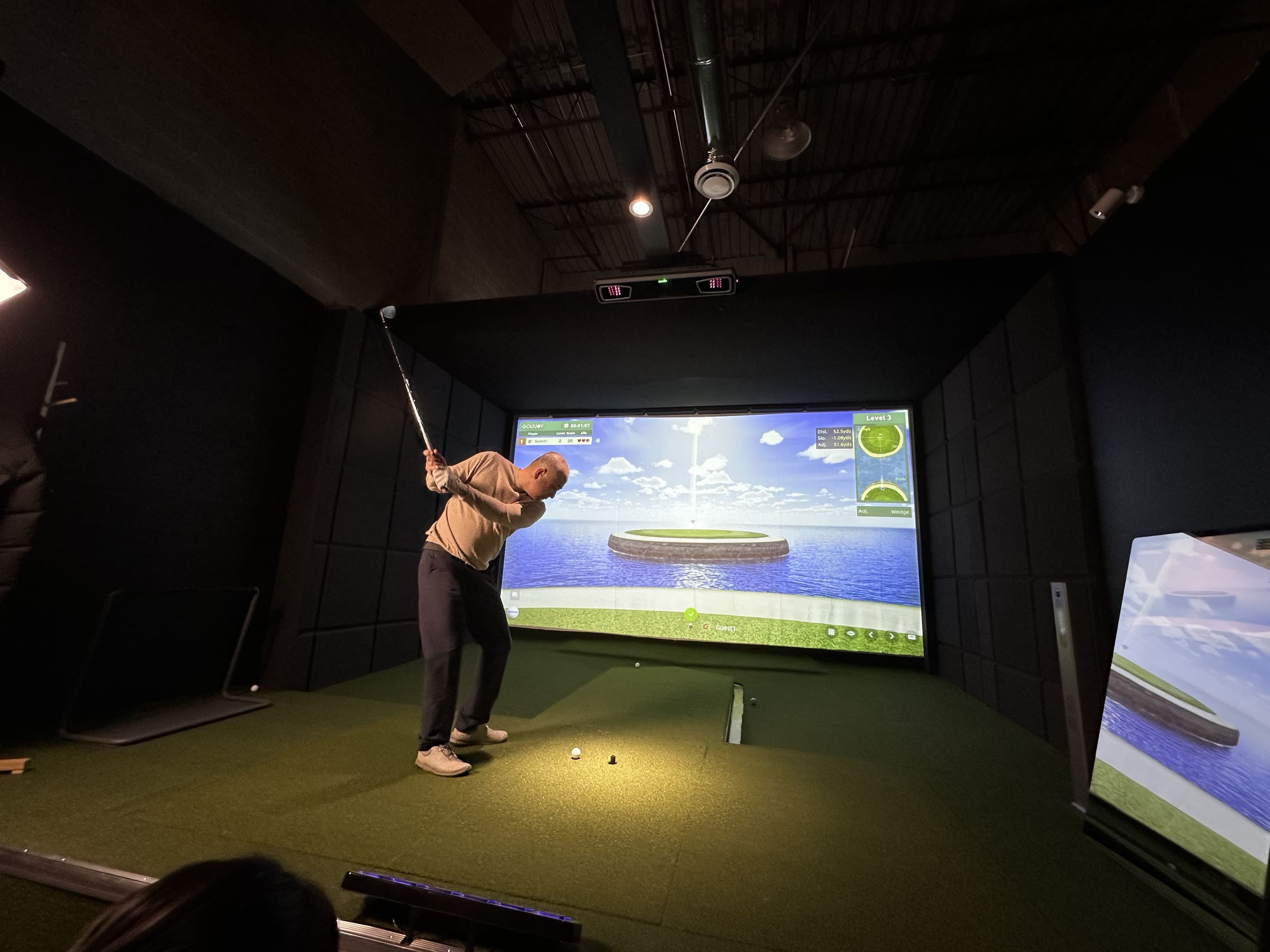
Because camera systems focus on the impact zone, they can work well in indoor spaces where the ball does not travel very far before reaching the screen or net.
This makes camera-based tracking especially relevant for home golf simulators, coaching studios, and indoor golf environments.
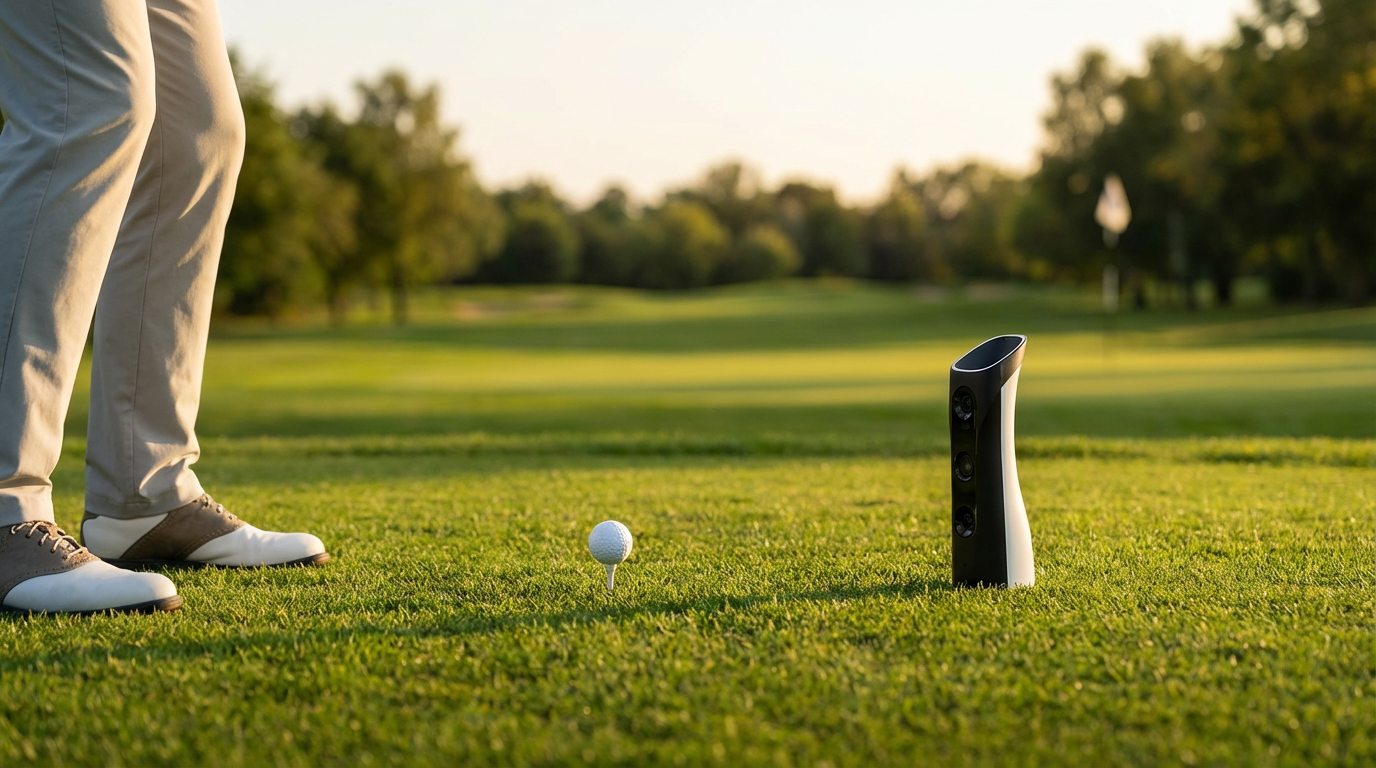
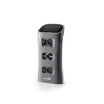
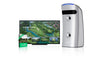
GOLFJOY Spica 3 is built around a triple high-speed camera system and is designed to provide real-time ball and club data for indoor and outdoor practice.
Radar-Based Launch Monitors
Radar systems emit radio waves and track the ball as it travels through space.
These systems commonly calculate:
- Ball trajectory
- Distance
- Ball speed
- Club movement
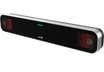
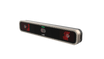
Radar tracking is often strong outdoors because the system can observe a longer portion of the ball’s flight.
Many golfers use radar systems as an outdoor launch monitor solution for driving range practice or open-air training.
Why Camera Systems Perform Well Indoors
Indoor simulator rooms often have limited ball flight distance, controlled lighting, and confined space.
Camera systems are designed to capture ball and club behavior immediately around impact, so they do not rely on extended ball flight tracking in the same way radar systems do.
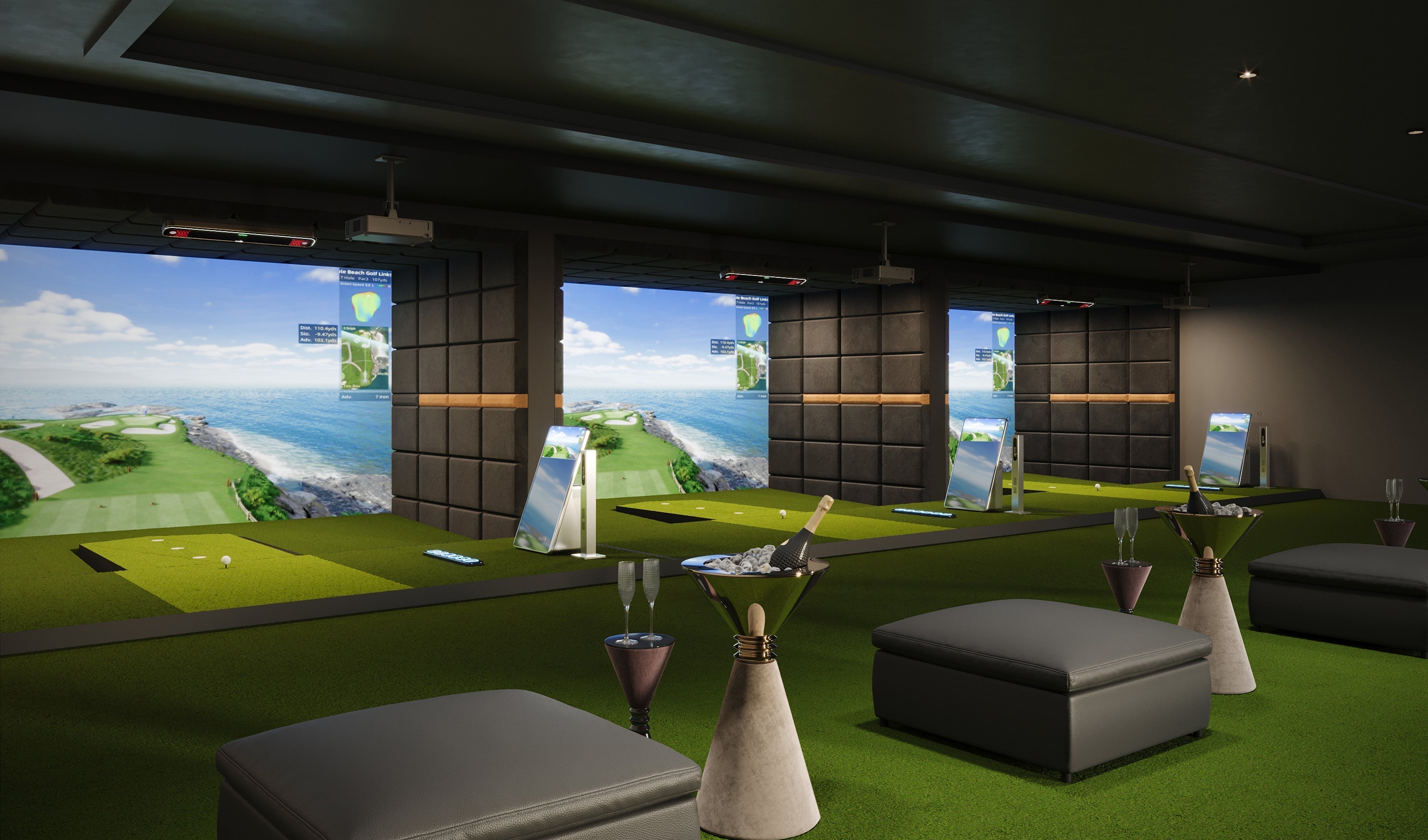
This is why many modern indoor golf launch monitor systems use high-speed camera technology.
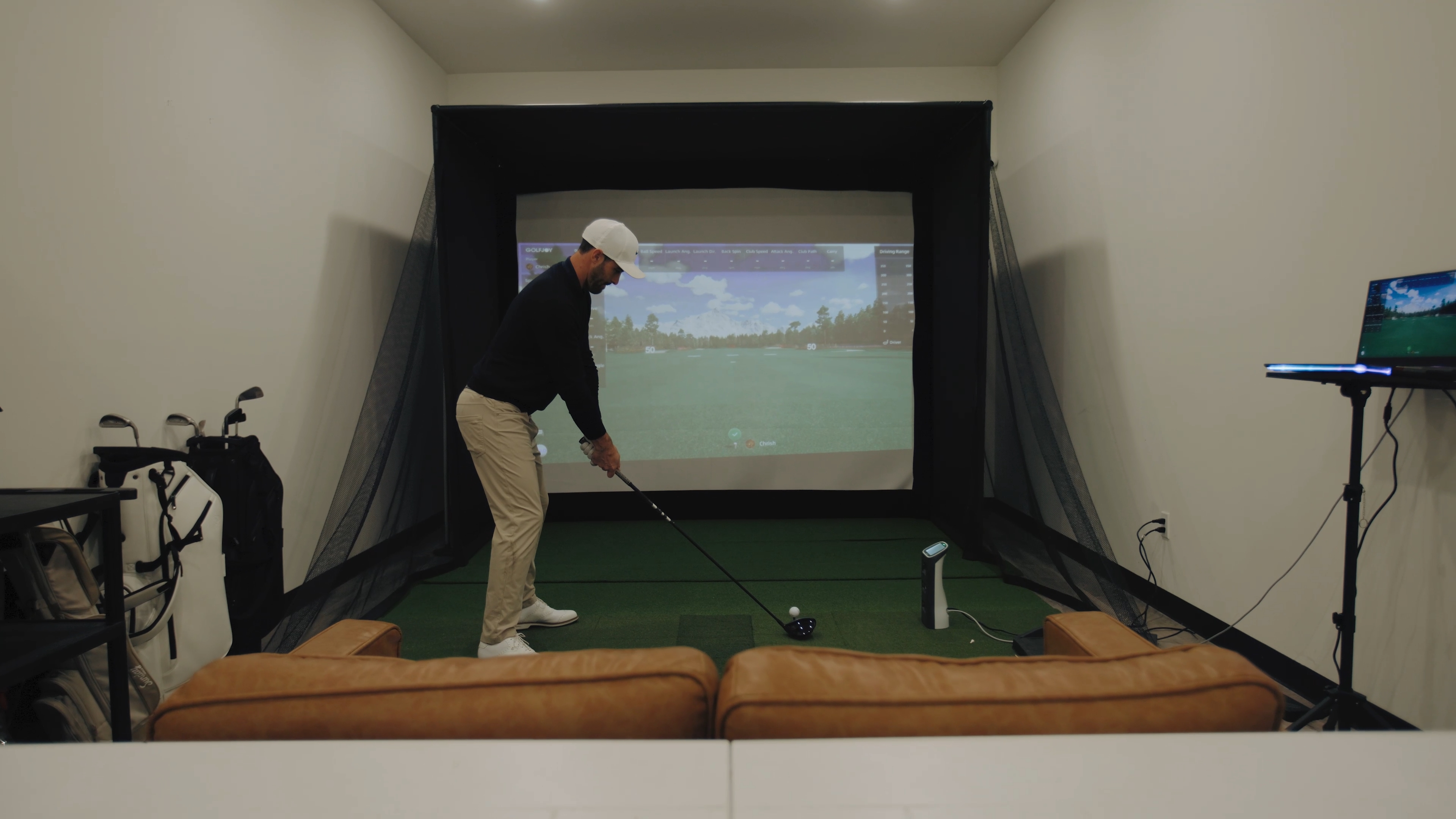
For golfers building a simulator in a garage, basement, spare room, or coaching studio, this can be a practical advantage.
GOLFJOY Spica 3 is positioned for compact indoor and outdoor practice, with 27 data points for ball and club and compatibility with multiple simulator software options.
Challenges for Radar Indoors
Radar systems can still work indoors, but they often require more room depth, careful alignment, and enough ball flight distance to capture reliable data.
Smaller spaces may reduce tracking efficiency for longer shots if the radar unit cannot observe enough flight.
This does not make radar technology weak. It simply means room size and setup conditions matter more.
Accuracy Comparison
Both technologies can be highly accurate when used correctly.
The question is not simply “which is more accurate?”
The better question is: which one is more accurate for your actual environment?
| Category | Camera-Based | Radar-Based |
|---|---|---|
| Indoor Accuracy | Often strong in limited spaces | Can be strong with enough room depth |
| Outdoor Accuracy | Depends on setup, lighting, and device design | Often strong for full-flight tracking |
| Small Space Performance | Often practical for home simulators | More dependent on room depth |
| Long Ball Flight Tracking | Calculated from impact and launch data | Tracked over extended flight distance |
| Setup Sensitivity | Depends on lighting, alignment, and hitting zone | Depends on alignment, depth, and environment |
Many golfers searching for the most accurate golf launch monitor should focus less on the technology label and more on how the system performs in their actual practice space.
Which Technology Is Better for Home Simulators?
For home simulator environments, camera systems are often easier to integrate because many home spaces have limited depth.
Advantages can include:
- Better fit for compact simulator rooms
- Reduced need for long ball flight distance
- Fast impact-based shot capture
- Strong suitability for screen or net-based practice
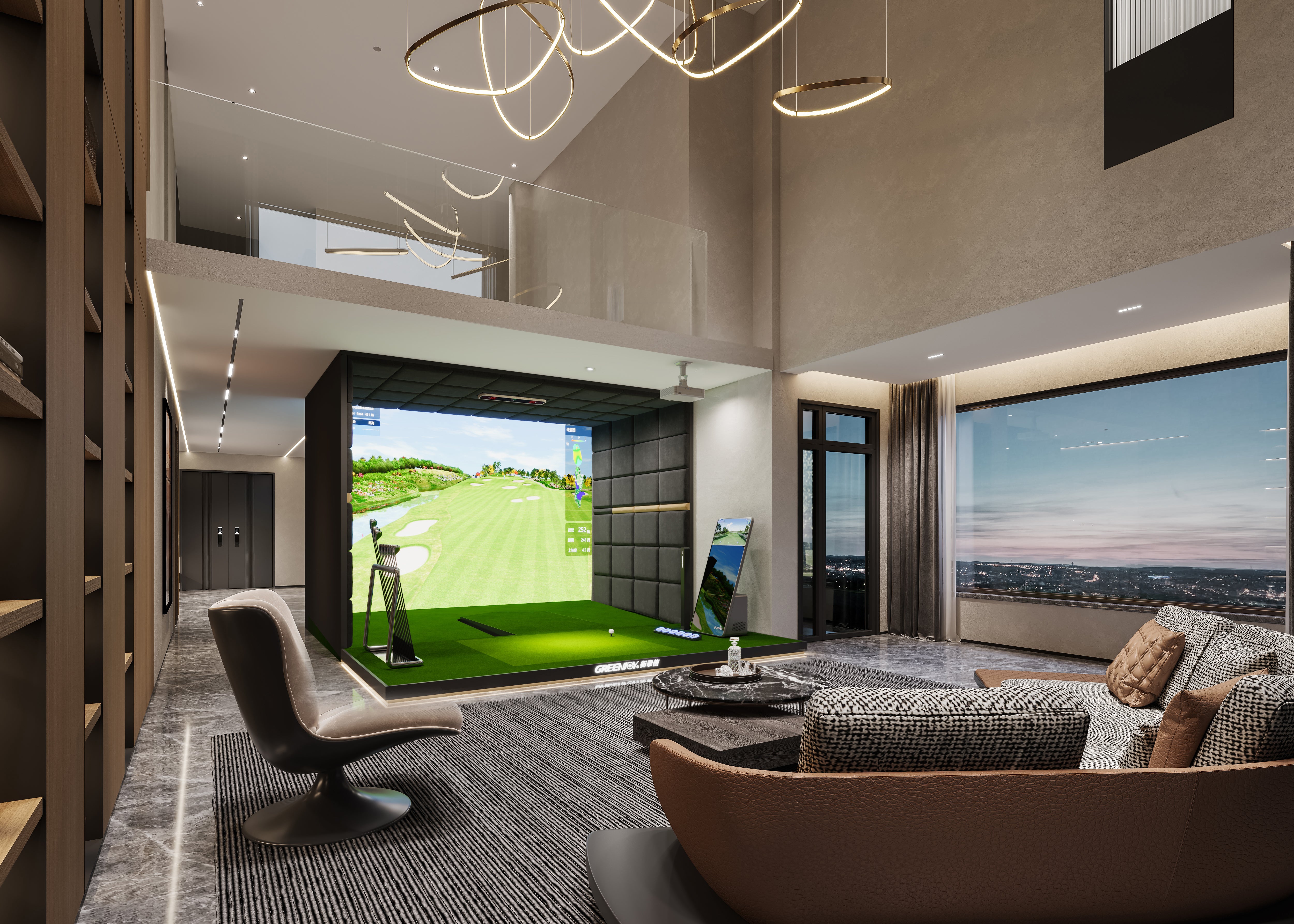
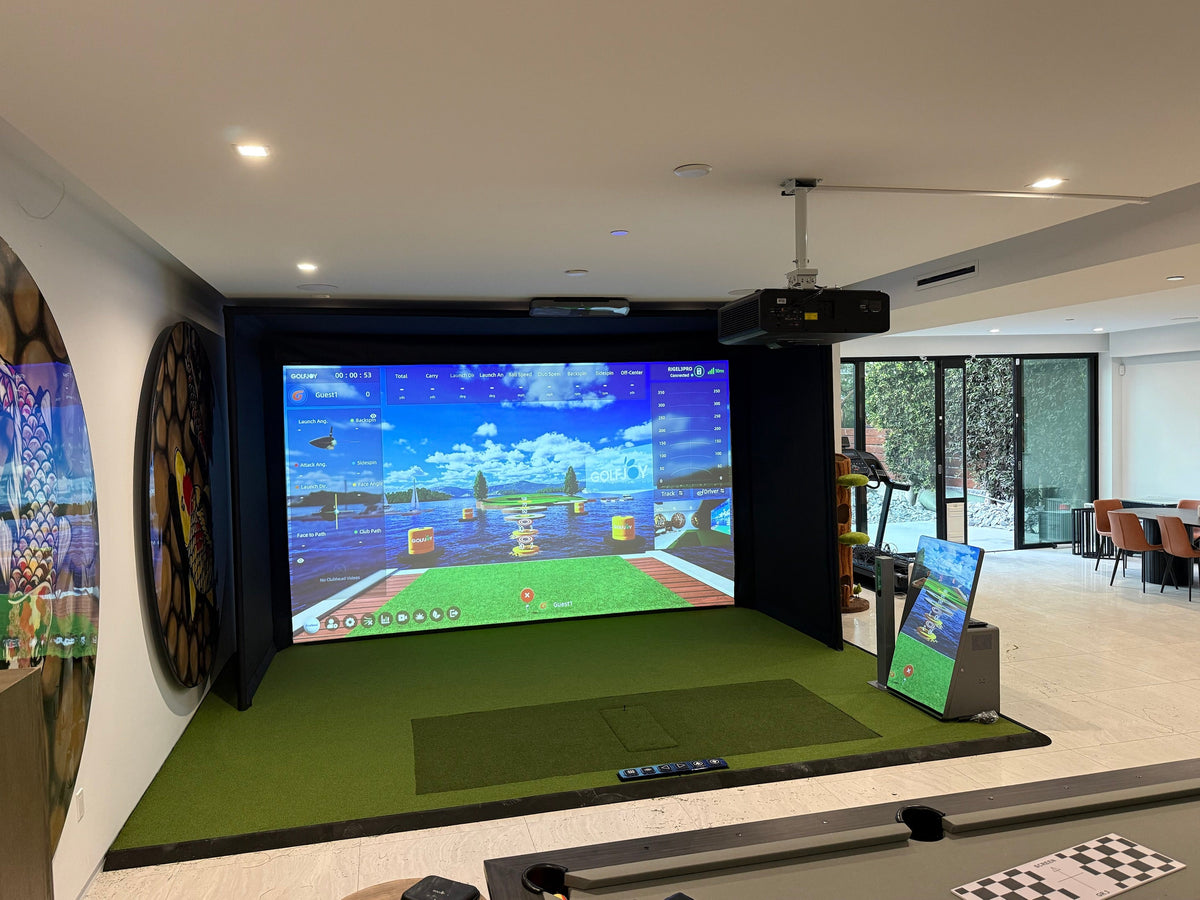
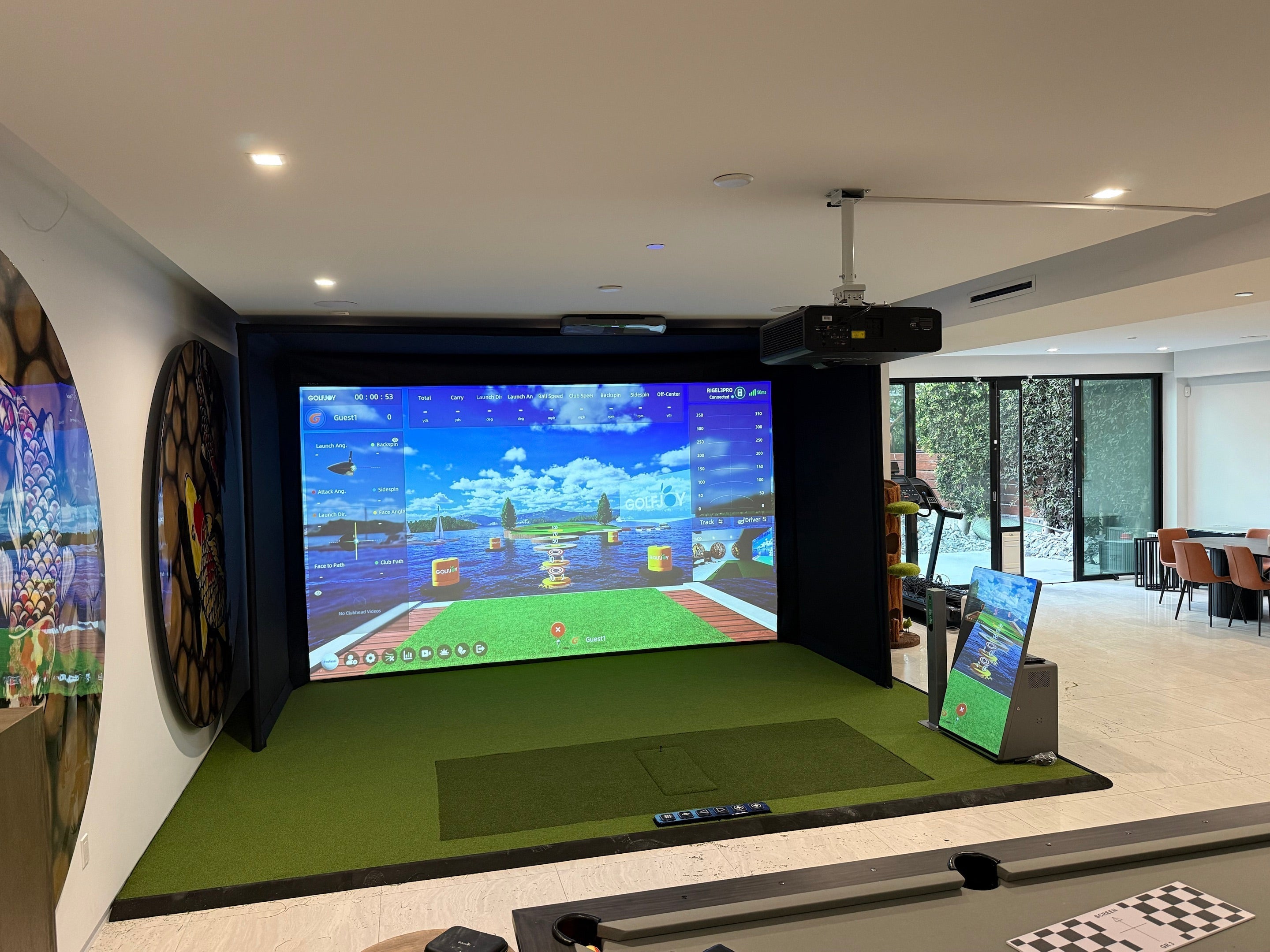
A modern home golf simulator launch monitor using high-speed cameras can provide a realistic simulator experience without requiring a commercial-sized room.
GOLFJOY Spica 3 supports home simulator use through its portable design, triple high-speed camera system, built-in touch screen, and connection options through GOLFJOY apps, Wi-Fi, or Ethernet.
Portability & Setup Differences
Setup requirements vary significantly between camera-based and radar-based systems.
Camera-Based Setup
Camera-based systems are often positioned near the hitting area and can work well in smaller simulator rooms.
They are especially useful for golfers who want a streamlined indoor setup without needing long ball flight distance.
GOLFJOY Spica 3 is a portable launch monitor with a built-in battery, standard-ball compatibility, and a compact design for indoor and outdoor practice.
Radar-Based Setup
Radar systems are usually positioned behind the hitting area and require careful alignment with the target line.
They can be excellent outdoors, but indoor users should confirm room depth before choosing this type of system.
Software Compatibility Matters Too
Tracking technology is only part of the simulator experience.
Software compatibility affects course play, practice modes, data review, and long-term usability.
GOLFJOY Spica 3 includes a 3-month GOLFJOY PC software trial and lifetime access to the GOLFJOY App. GOLFJOY also lists compatibility with GSPro, E6 CONNECT, and Creative Golf.
For many home simulator users, this software flexibility can be just as important as the tracking technology itself.
Which Golfers Should Choose Camera-Based Launch Monitors?
Camera-based launch monitors are often a strong choice for golfers who:
- Practice mostly indoors, while still wanting reliable outdoor performance as modern camera-based systems continue improving in real-world environments
- Build a garage or home simulator
- Need accurate data in limited space
- Want fast simulator feedback
- Use the system for coaching or swing analysis
If your main goal is indoor simulation, camera-based tracking is usually a practical starting point.
Which Golfers Should Choose Radar-Based Launch Monitors?
Radar-based launch monitors are often a strong choice for golfers who:
- Practice primarily outdoors
- Use open driving ranges
- Want full ball flight tracking
- Have enough indoor depth if using the system inside
If your main goal is outdoor full-flight analysis, radar technology may be a better fit.
Why Camera-Based Systems Are Growing in Indoor Golf
The growth of indoor golf has increased interest in camera-based tracking.
Key reasons include:
- Better suitability for compact rooms
- Impact-focused data capture
- Strong simulator integration
- Practical home setup requirements
GOLFJOY Spica 3 reflects this indoor-first trend while still supporting flexible practice across indoor and outdoor environments.
Final Verdict: Camera vs Radar Launch Monitors
Camera-based and radar-based launch monitors can both deliver strong performance.
The best choice depends on how and where you practice.
If you are building an indoor simulator, a camera-based system may offer better space efficiency and a simpler fit for compact rooms.
If you train mainly outdoors and want full-flight tracking, radar may be a better match.
For many modern golfers, especially home simulator users, camera-based systems offer a strong balance of accuracy, convenience, and indoor usability.
Need Help Choosing the Right Launch Monitor?
Talk to the GOLFJOY US team to compare launch monitor options for your home simulator, coaching studio, or indoor golf business.
FAQs About Camera vs Radar Launch Monitors
Which is more accurate: camera or radar launch monitors?
Both can be accurate when used correctly. Camera systems often fit indoor simulator spaces well, while radar systems often perform strongly outdoors with enough ball flight distance.
Are camera launch monitors good for home simulators?
Yes. Camera-based systems are often suitable for home golf simulators because they capture impact data in smaller spaces.
Do radar launch monitors need more space?
Radar systems typically benefit from additional ball flight distance, especially for indoor setups.
Can camera launch monitors work outdoors?
Yes, some camera-based launch monitors are designed for both indoor and outdoor use. Performance depends on the system design, setup, lighting, and surface conditions.
What is best for indoor golf practice?
For many indoor golfers, camera-based systems are a practical choice because they are designed around impact capture rather than extended ball flight tracking.

Leave a comment
All comments are moderated before being published.
This site is protected by hCaptcha and the hCaptcha Privacy Policy and Terms of Service apply.