






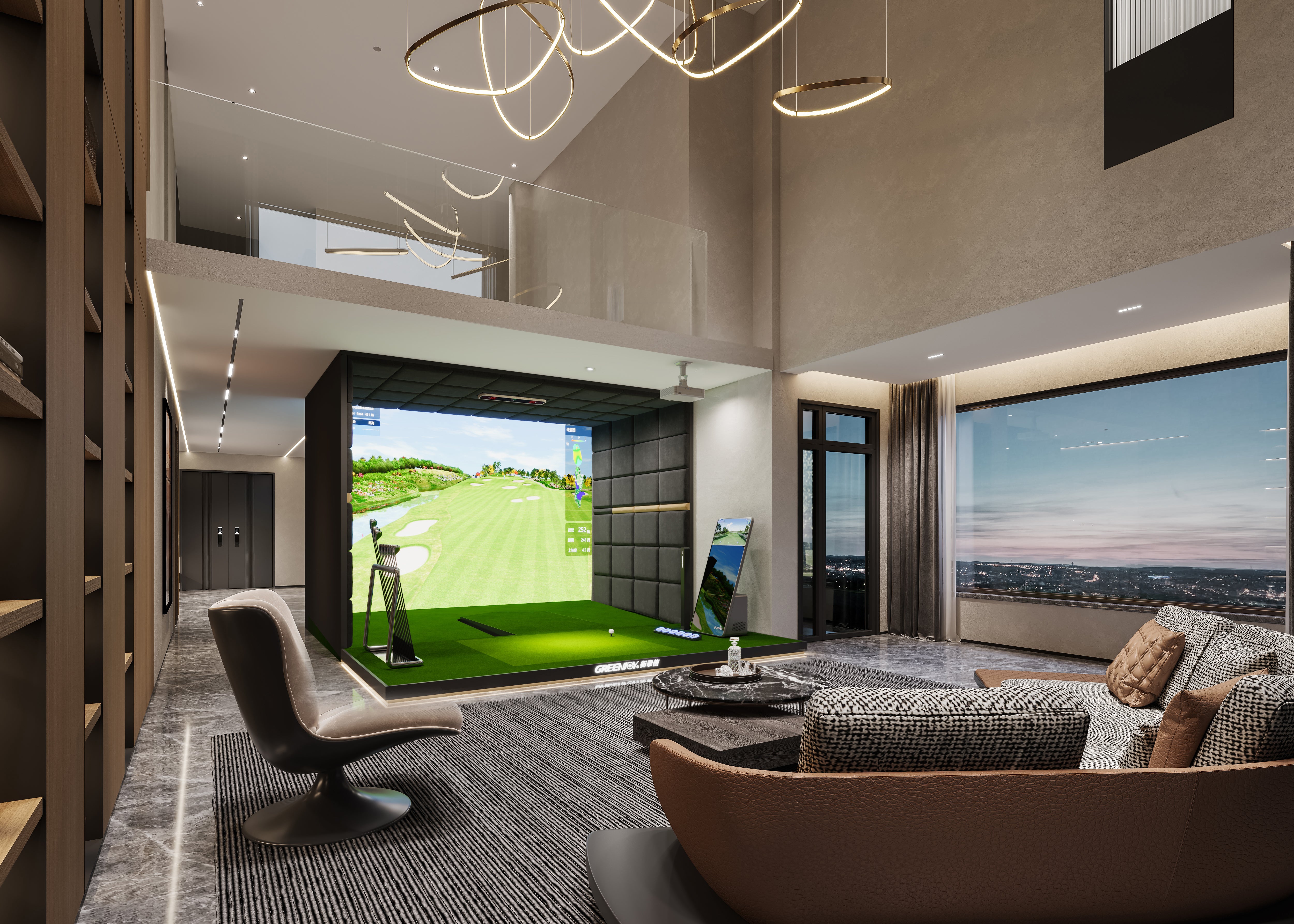
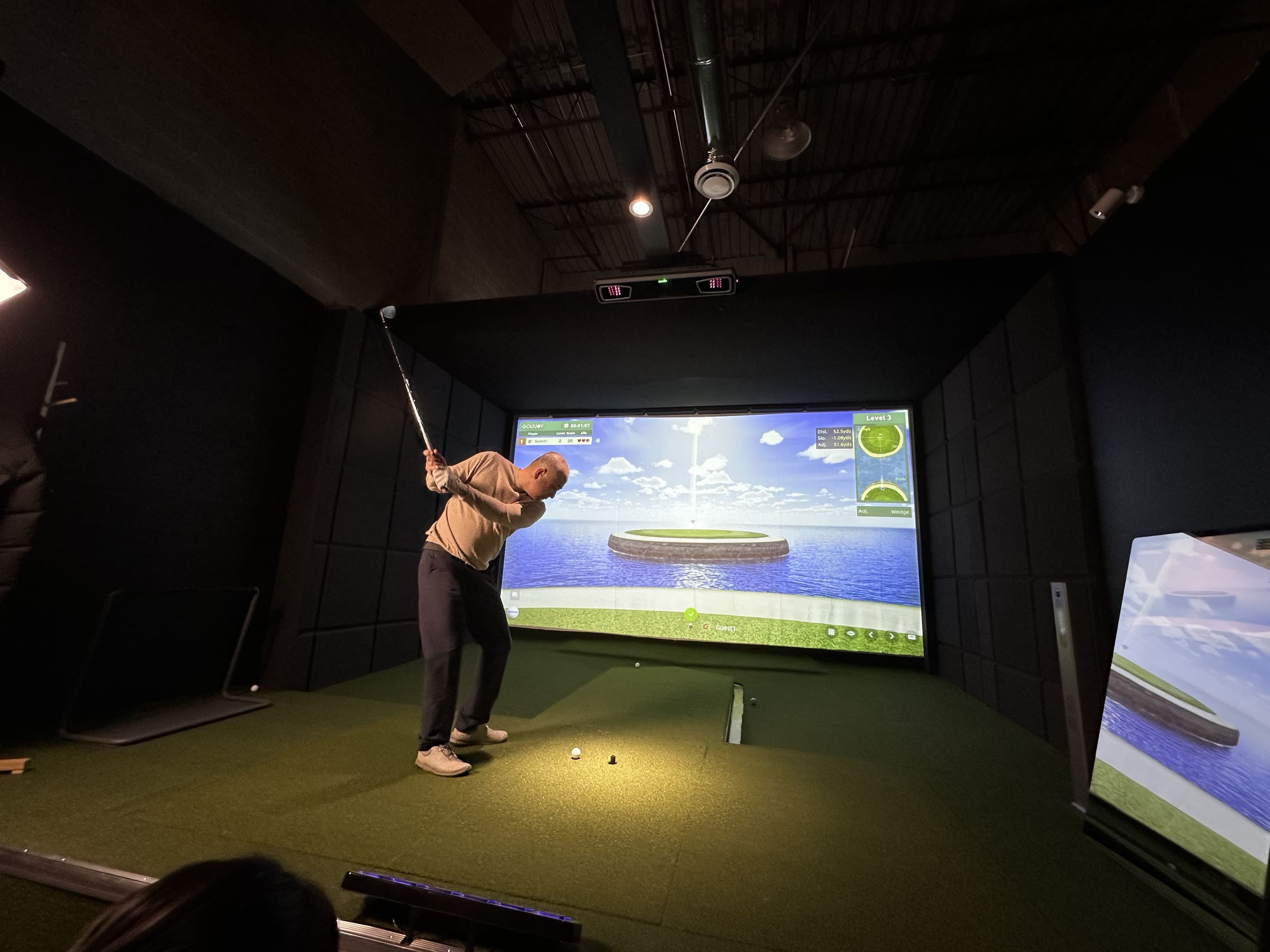
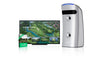
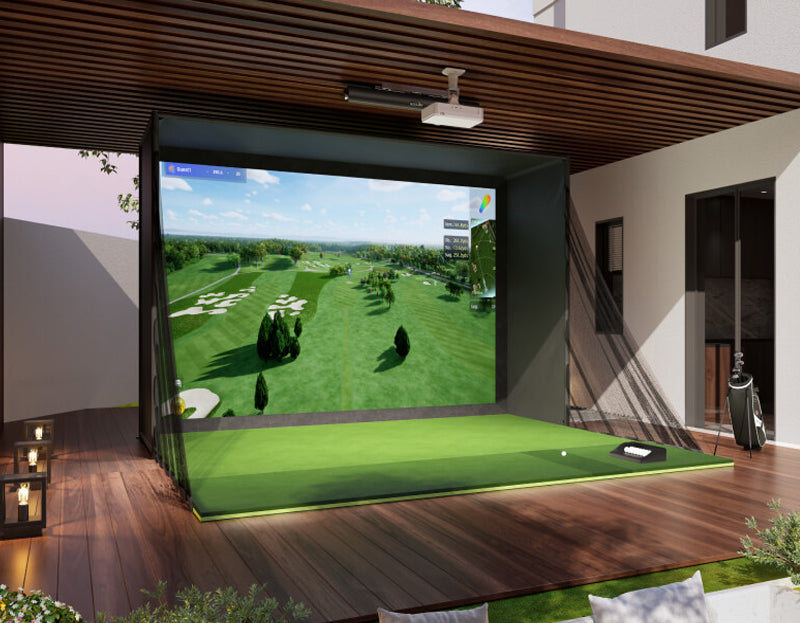
Bringing the golf course into your home has never been easier, and home golf simulator solutions are becoming increasingly popular for practice, entertainment, and year-round improvement.
One of the first questions golfers ask before building a simulator is: how much does a home golf simulator cost?
The answer depends on many factors, including the launch monitor technology, impact screen, hitting mat, projector, software ecosystem, installation requirements, and available space. Instead of focusing only on the initial cost, golfers should understand what components create value and how each choice affects the overall experience.
This guide explains the key factors behind home golf simulator cost, helping golfers understand different setup options and choose the right solution based on their practice goals.
What Determines Home Golf Simulator Cost?
The total investment of a home golf simulator depends on the combination of hardware, software, installation requirements, and desired level of realism.
A complete simulator setup usually includes several important components:
- Launch Monitor: Determines how accurately golf shots are captured and analyzed.
- Impact Screen and Enclosure: Creates a safe hitting environment and improves immersion.
- Hitting Mat or Turf: Provides a realistic hitting surface and protects the floor.
- Projector and Display System: Creates the visual simulator experience.
- Simulator Software: Provides course play, practice features, and interactive experiences.
- Installation and Room Preparation: Ensures the simulator fits the available space correctly.
Because every golfer has different goals, there is no single standard home golf simulator price. A compact practice setup and a dedicated indoor golf room may require very different configurations.
Typical Home Golf Simulator Setup Levels
When comparing golf simulator pricing, it is more useful to evaluate setups based on features and intended usage rather than only focusing on price ranges.
| Setup Level | Typical Usage | Main Features |
|---|---|---|
| Basic Practice Setup | Casual indoor golf practice | Essential tracking technology with basic practice features |
| Complete Home Simulator Setup | Regular practice and immersive golf experience | Launch monitor, impact screen, hitting area, projector, and simulator software integration |
| Advanced Indoor Golf Setup | Serious training, coaching, or dedicated golf spaces | More advanced tracking, larger environments, and expanded software capabilities |
For golfers who want a realistic indoor golf experience, choosing the right combination of tracking technology, software, and room design is often more important than simply selecting the lowest-cost option.
For golfers building a complete indoor golf environment, exploring different indoor golf simulator solutions can help determine the right balance between space, performance, and user experience.
DIY vs Pre-Built vs Commercial Golf Simulator
When deciding how much a golf simulator costs, one of the most important choices is selecting the right type of setup. Golfers typically choose between a DIY build, a pre-built simulator package, or a commercial-grade installation.
DIY Golf Simulator Setup
A DIY golf simulator allows golfers to select individual components based on their preferences and available space.
This approach provides flexibility because users can choose their own launch monitor, screen, projector, hitting mat, and software combination. However, it also requires more planning, technical knowledge, and time to ensure all components work together properly.
Pre-Built Home Golf Simulator Packages
A pre-built home golf simulator package simplifies the setup process by combining important components into a more complete solution.
These systems are designed for golfers who want a more straightforward installation experience while still enjoying features such as shot tracking, simulator software, and immersive indoor practice.
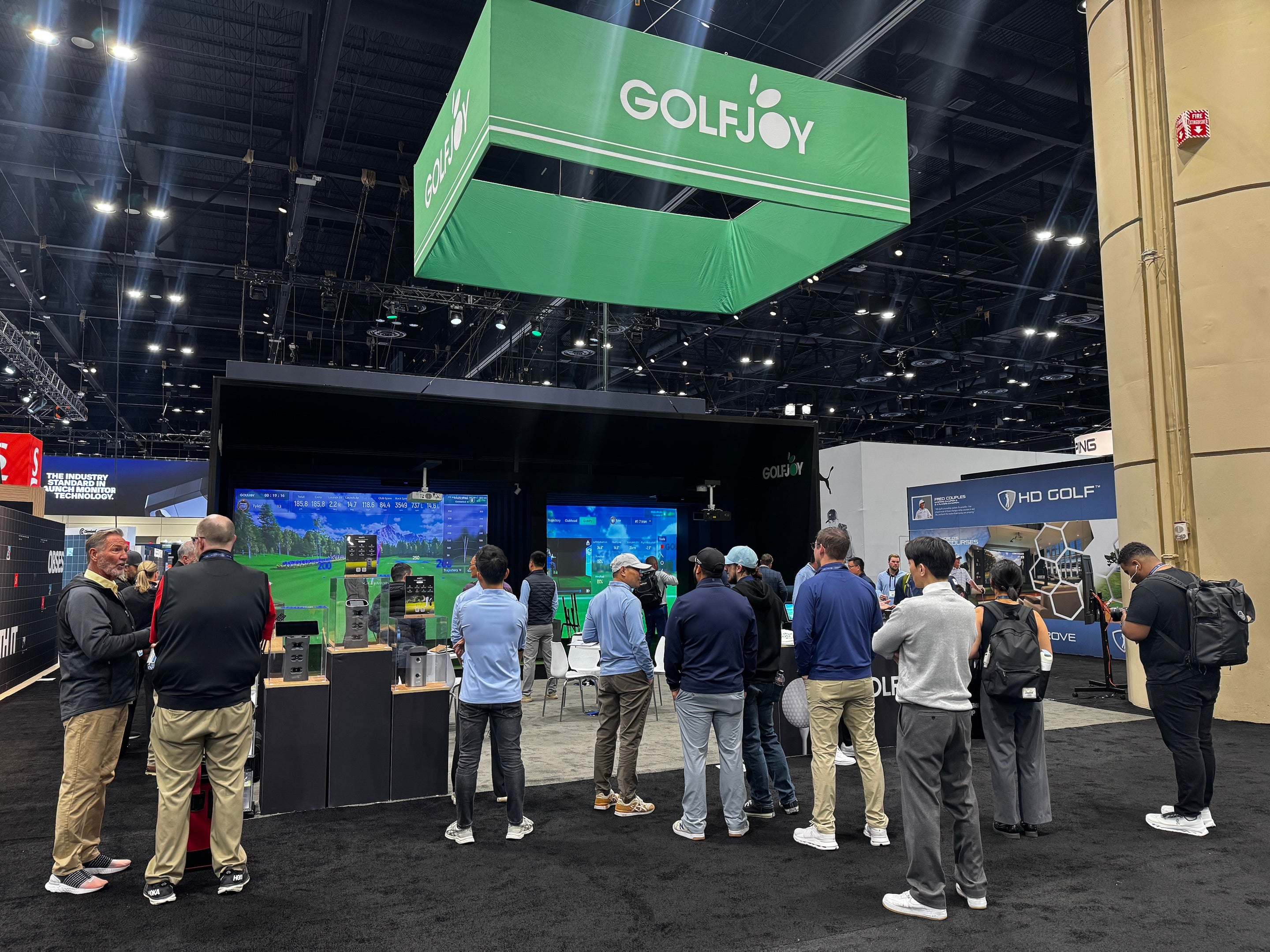
GOLFJOY provides complete simulator solutions designed around different user needs, helping golfers create dedicated indoor golf environments with integrated hardware and software.
Explore GOLFJOY home golf simulator solutions to learn more about available setup options.
Commercial Indoor Golf Simulator Setup
Commercial golf simulator environments usually require additional considerations, including higher usage frequency, customer experience, installation planning, and long-term system reliability.
Golf academies, entertainment venues, and indoor golf facilities often evaluate factors such as software capabilities, durability, maintenance support, and scalability when selecting a simulator solution.
Space Requirements & Room Planning
Before purchasing a home golf simulator, understanding your available space is one of the most important steps.
Room dimensions can affect your simulator experience, including swing comfort, screen placement, projector position, and overall safety.
Most golf simulator setups require enough room for a comfortable golf swing, proper ball tracking, and safe installation of the impact screen.
Important Space Considerations
- Room Width: Enough space for golfers to swing comfortably from different positions.
- Room Depth: Allows proper placement of the hitting area, screen, and tracking system.
- Ceiling Height: Ensures golfers can complete a full swing without restrictions.
- Lighting Conditions: Helps maintain consistent tracking performance and viewing quality.
- Room Layout: Supports safe installation and comfortable long-term use.
Planning your room before purchasing equipment can help prevent unexpected modifications and create a better long-term indoor golf experience.
Portable vs Overhead Golf Simulator Considerations
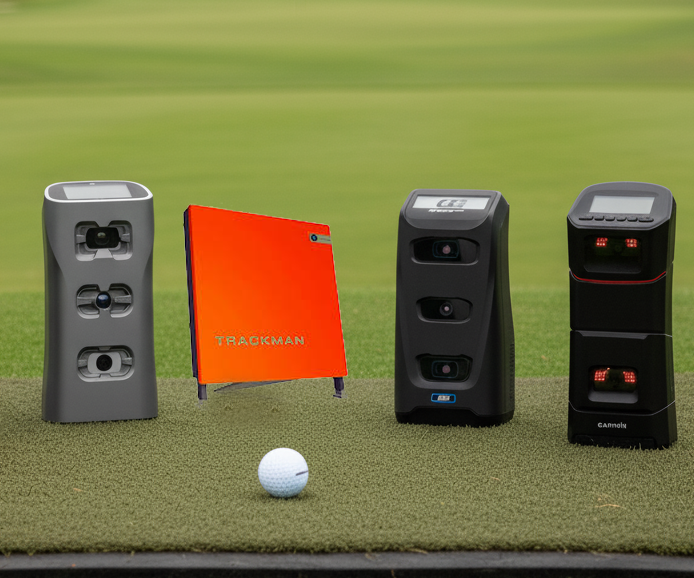
Another factor that influences a golf simulator setup is choosing between portable and overhead tracking systems.
| Category | Portable Launch Monitor Setup | Overhead Golf Simulator Setup |
|---|---|---|
| Installation | Flexible placement and easier relocation | Designed for dedicated simulator spaces |
| Usage | Suitable for golfers who practice in different locations | Ideal for permanent indoor golf environments |
| Space Planning | Can work with more flexible layouts | Requires more structured room planning |
| Best For | Home practice, range training, flexible golf setups | Dedicated simulator rooms, coaching, commercial environments |
The right choice depends on your practice goals, available space, and how you plan to use the simulator over time.
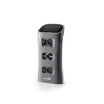
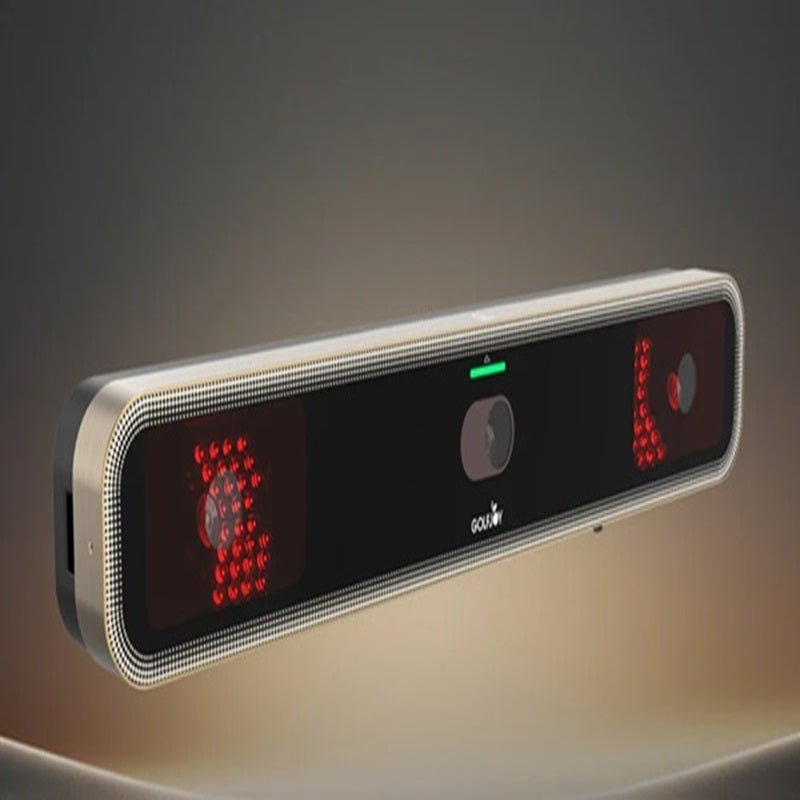
Golfers interested in flexible tracking technology can explore GOLFJOY launch monitors for portable practice and simulator applications.
Software and Ongoing Ownership Considerations
When evaluating home golf simulator cost, hardware is only one part of the overall experience. Software features, compatibility, updates, and long-term usability are also important factors.
Simulator software can influence the available courses, training modes, multiplayer experiences, and data analysis features available to golfers.
Before choosing a system, golfers should consider:
- Software compatibility with preferred simulator platforms
- Available practice and training features
- Future software updates and system improvements
- Whether additional subscriptions or licenses are required for specific features
GOLFJOY simulator solutions support different practice experiences through GOLFJOY software and compatibility with selected third-party simulator platforms, allowing golfers to choose an experience that matches their training preferences.
Hidden Factors That Can Affect Golf Simulator Cost
Beyond the main equipment, several additional factors can influence the final investment of a golf simulator setup.
- Room Preparation: Changes to flooring, lighting, electrical setup, or wall protection may be required depending on the installation environment.
- Installation: Professional setup may be preferred for more complex simulator environments.
- Maintenance: Regular care of screens, mats, projectors, and hardware helps maintain long-term performance.
- Software Ecosystem: Different platforms may provide different features, course libraries, and user experiences.
Considering these factors early helps golfers better understand the total value of their simulator investment rather than focusing only on the initial purchase.
Best Value Options by Setup Goal
Finding the right home golf simulator depends on how much realism, data feedback, and long-term usability you need.
Entry-level practice setups may be suitable for casual indoor swings, but they often provide limited data and a less immersive experience.
For golfers who want more realistic ball flight feedback, stronger simulator integration, and a more complete indoor golf experience, a complete home simulator setup may offer better long-term value.
GOLFJOY home simulator solutions are designed to support golfers who want a balance of data-driven practice, simulator play, and flexible setup options.
Rather than choosing based on price alone, golfers should consider which system provides the right combination of launch monitor technology, software experience, room fit, and long-term support.
Conclusion
When considering how much does a home golf simulator cost, the most important thing to remember is that the final investment depends on configuration, space, software, and usage goals.
A basic setup, a complete home simulator, and an advanced indoor golf environment can all serve different types of golfers.
The best choice is the one that matches your practice habits, available room, desired realism, and long-term training goals.
If you want a home golf simulator solution built around data-driven practice and indoor golf entertainment, explore GOLFJOY home golf simulator solutions to find a setup that fits your space and goals.
FAQ
What is included in a basic home golf simulator setup?
A basic home golf simulator setup usually includes a launch monitor or tracking device, a hitting mat, and a net or screen. More complete setups may include an impact screen, enclosure, projector, simulator software, and a dedicated hitting area.
How much space do I need for a home golf simulator?
Space requirements depend on the golfer, club selection, and simulator type. In general, golfers should allow enough width, depth, and ceiling height for a full swing, safe ball impact, and proper tracking system placement.
Can I build a home golf simulator with a smaller space?
Yes. Some portable launch monitor setups can work in more flexible spaces, while dedicated overhead simulator systems usually require more structured room planning. Always confirm space requirements before purchasing equipment.
How does launch monitor type affect home golf simulator cost?
Launch monitor technology can significantly affect the overall simulator setup. Different systems may offer different levels of ball data, club data, simulator compatibility, and indoor or outdoor flexibility.
Are there ongoing costs like software subscriptions?
Some simulator systems may require subscriptions or software licenses for specific courses, multiplayer modes, or advanced features. Golfers should review software access, compatibility, and long-term ownership requirements before choosing a system.
Is a home golf simulator worth it?
A home golf simulator can be worth it for golfers who want convenient practice, year-round training, and a more structured way to understand their swing and ball flight. The value depends on how often you use it and whether the setup fits your goals.

Leave a comment
All comments are moderated before being published.
This site is protected by hCaptcha and the hCaptcha Privacy Policy and Terms of Service apply.