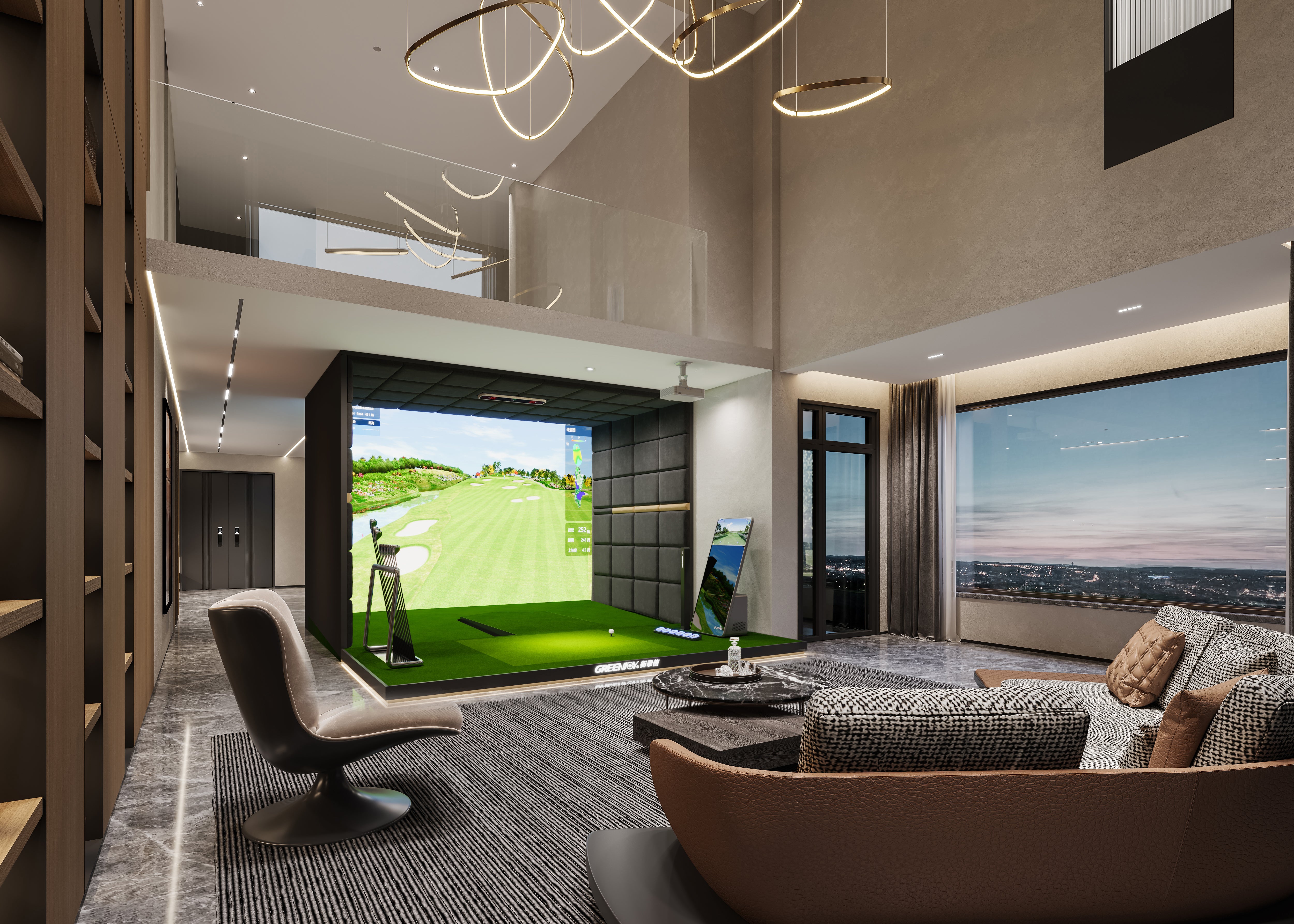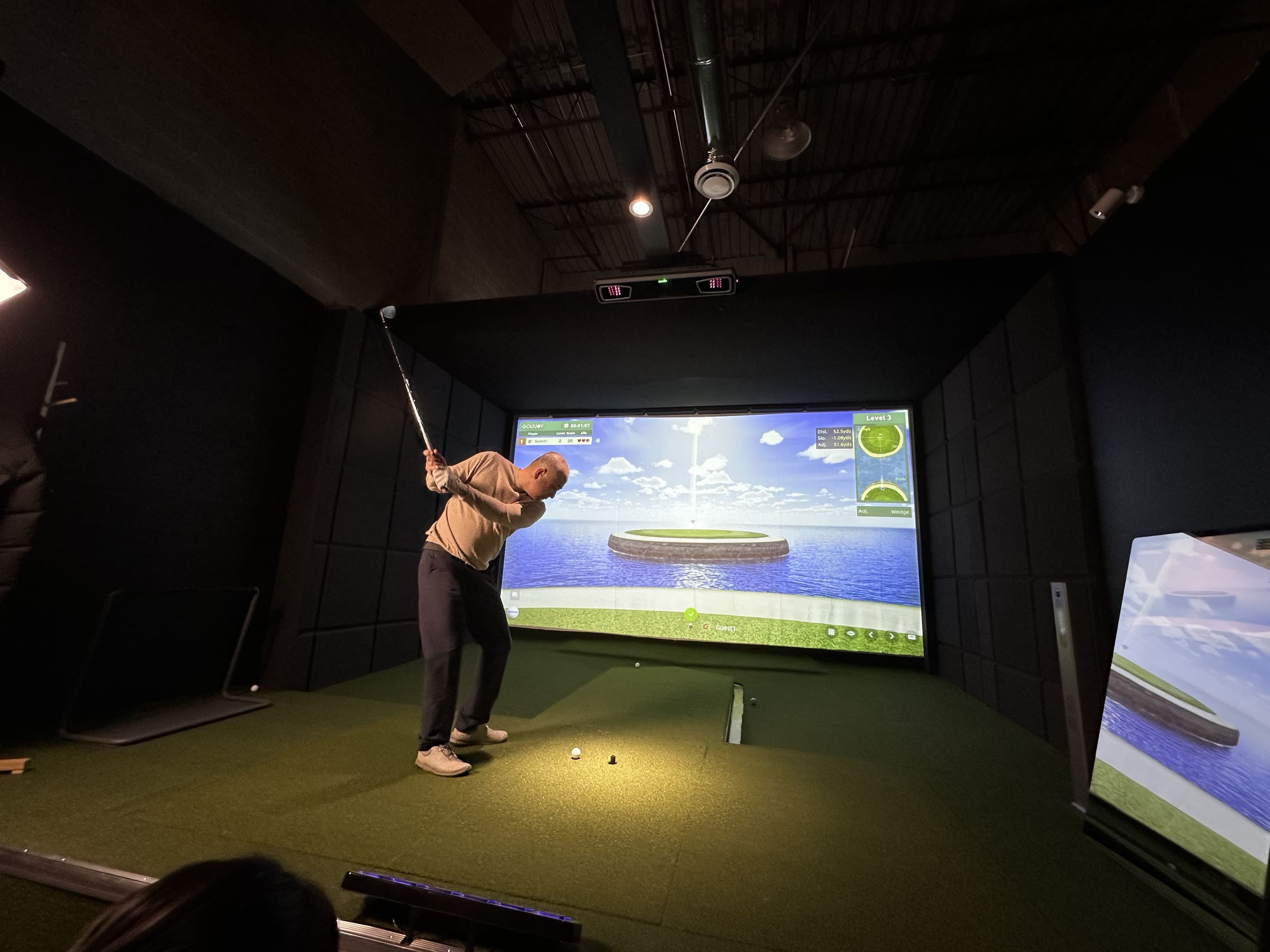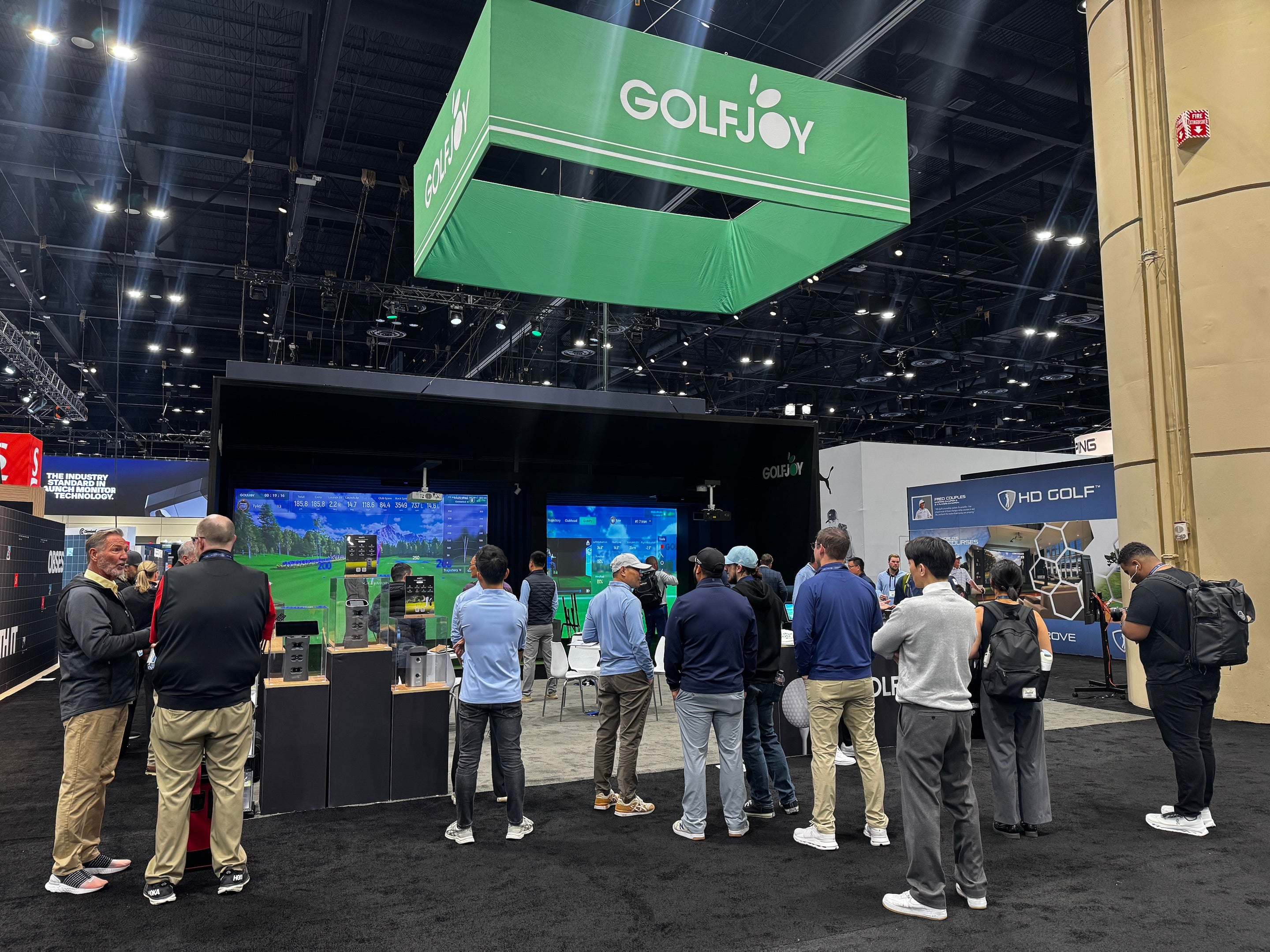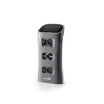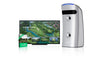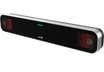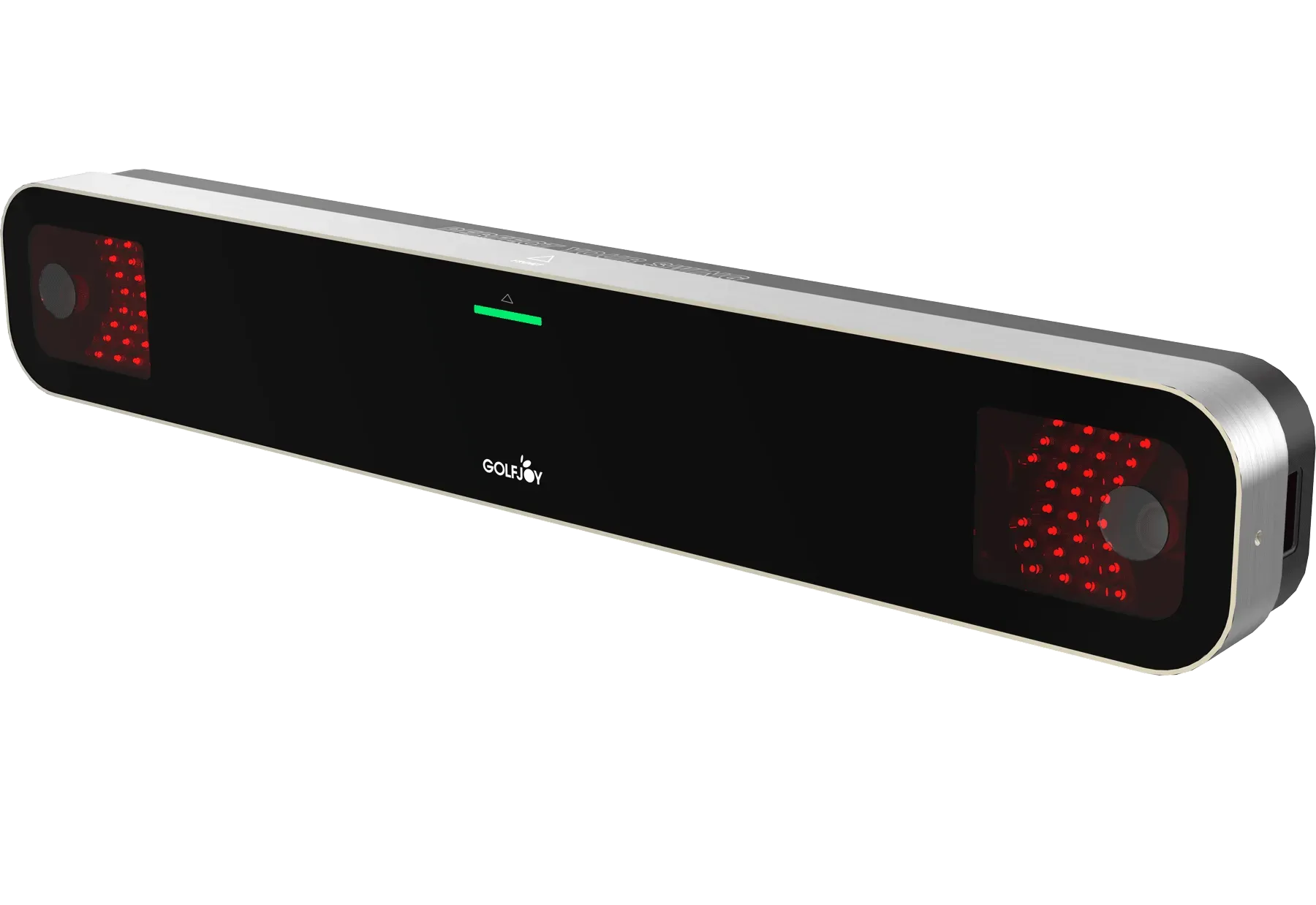
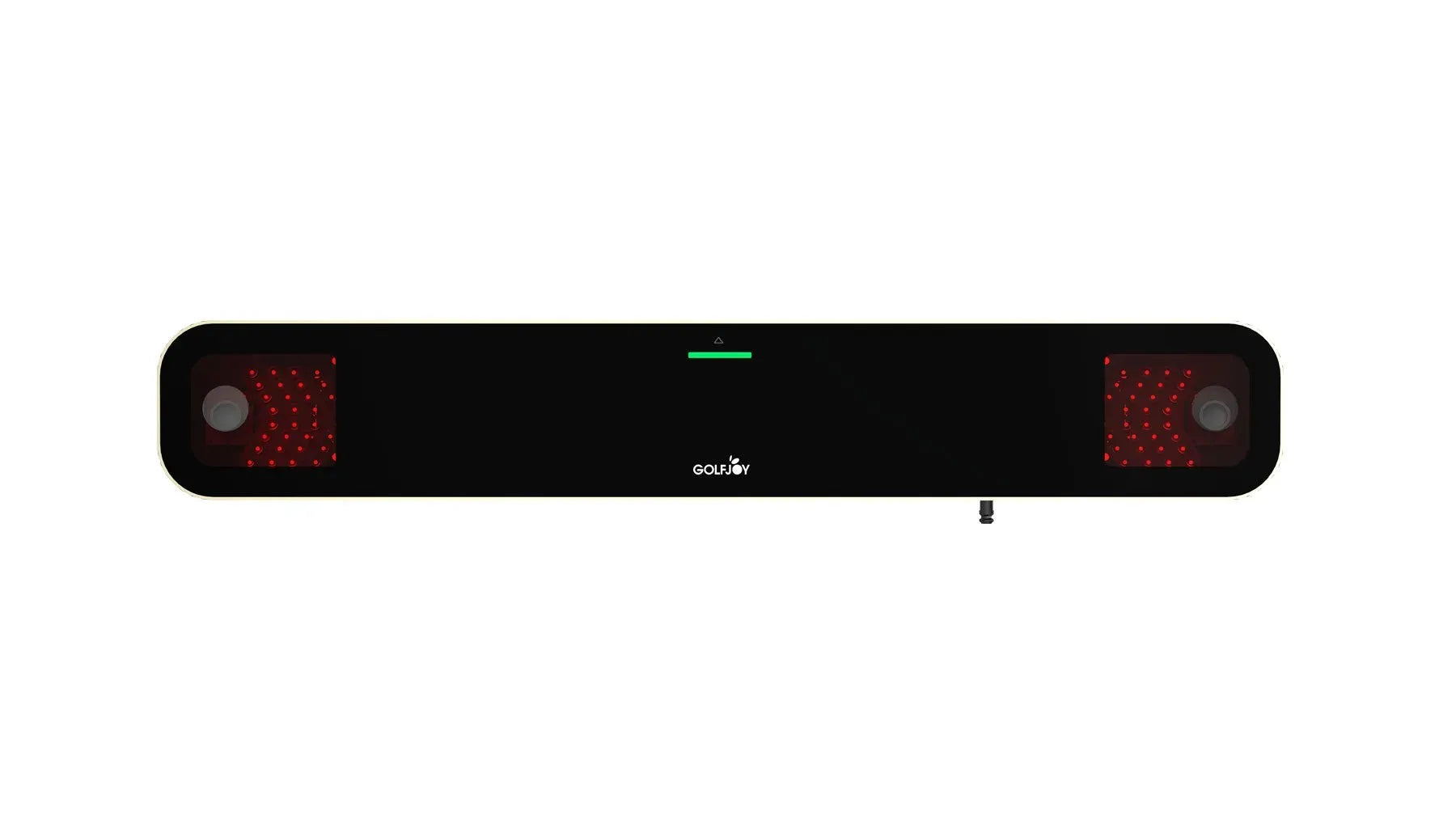
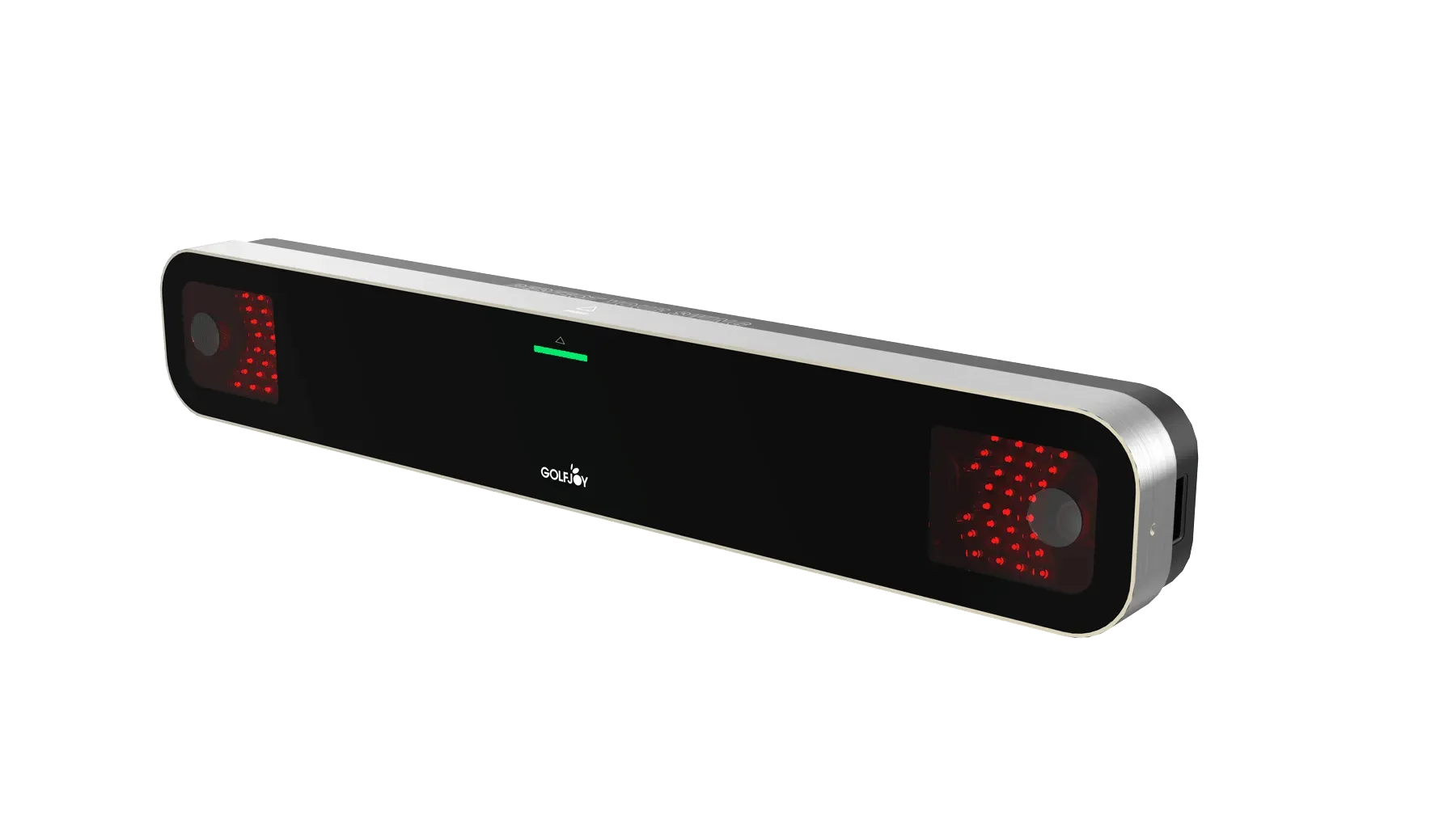
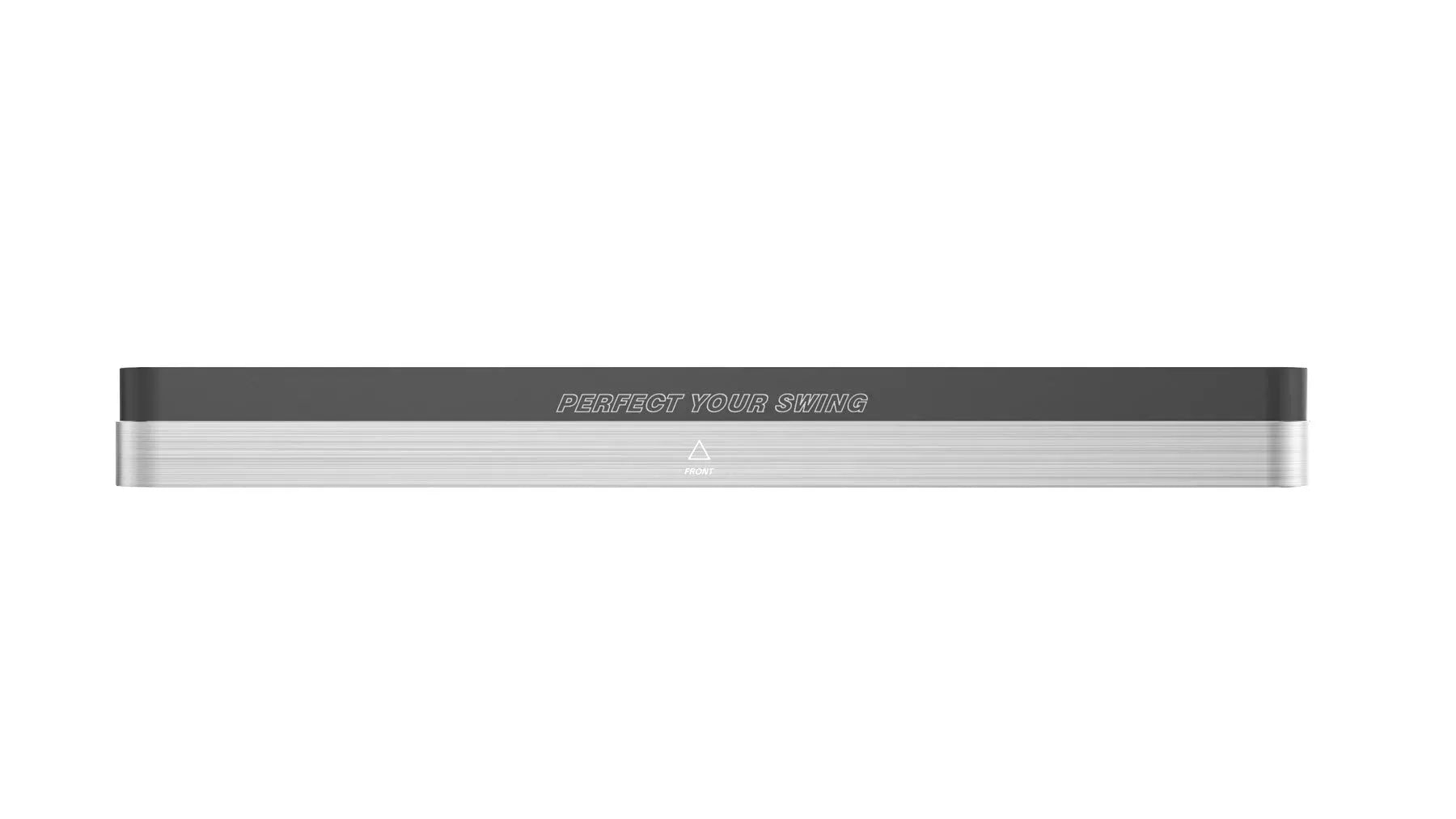
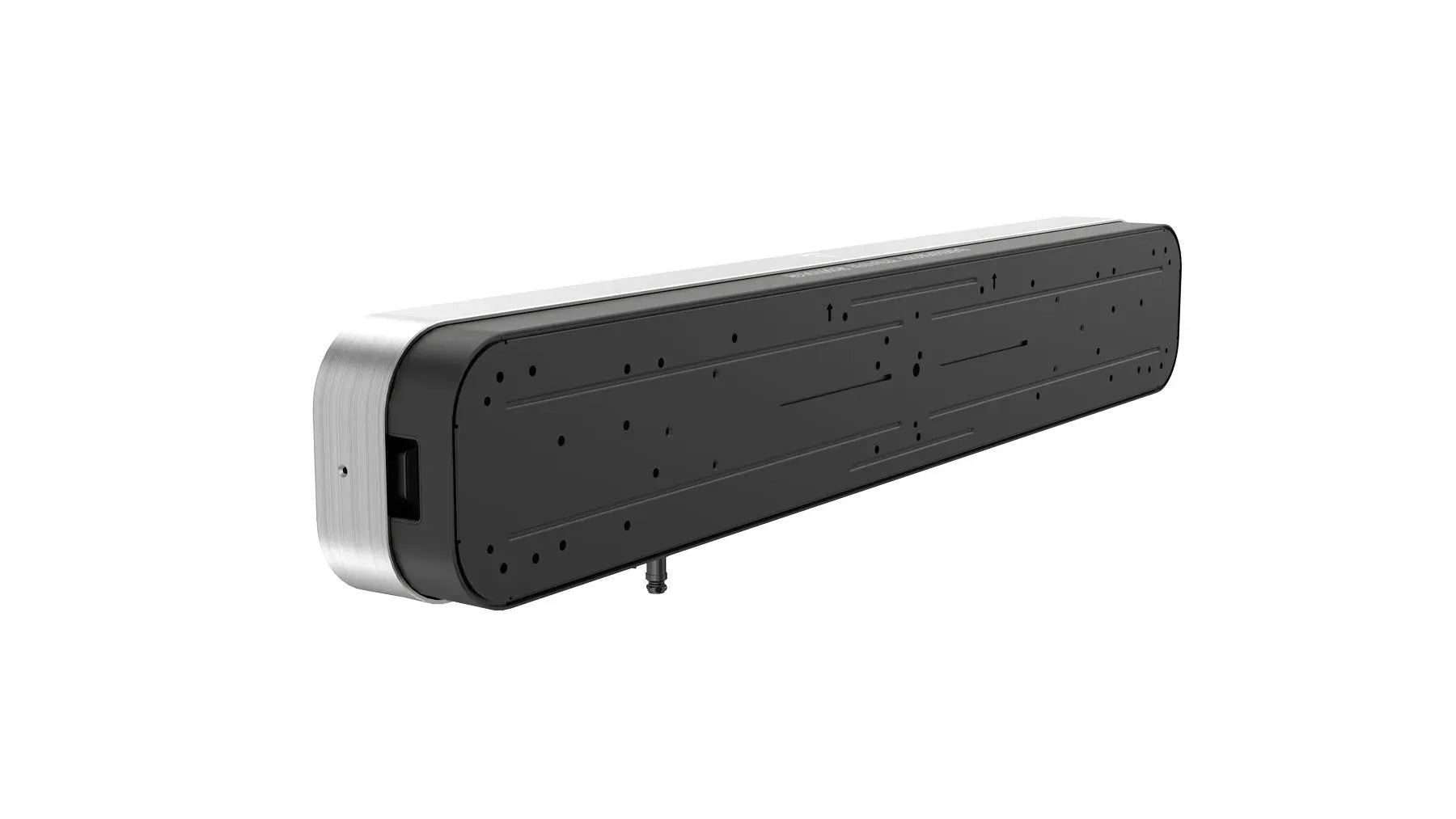
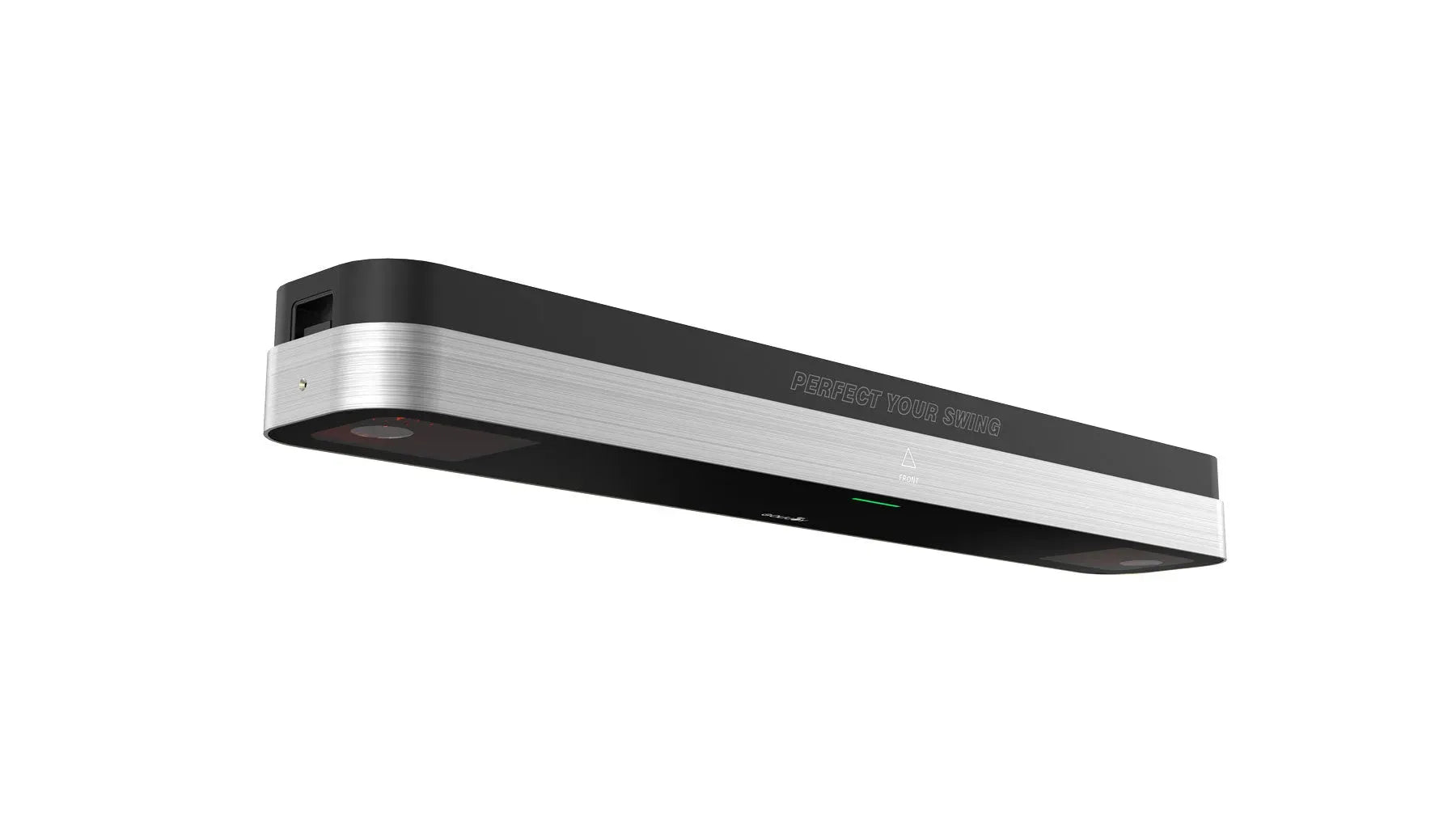
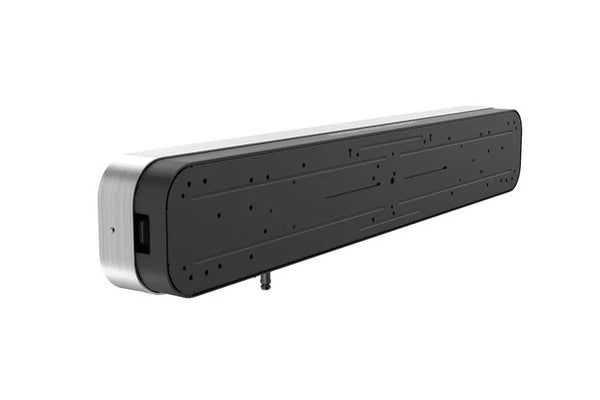
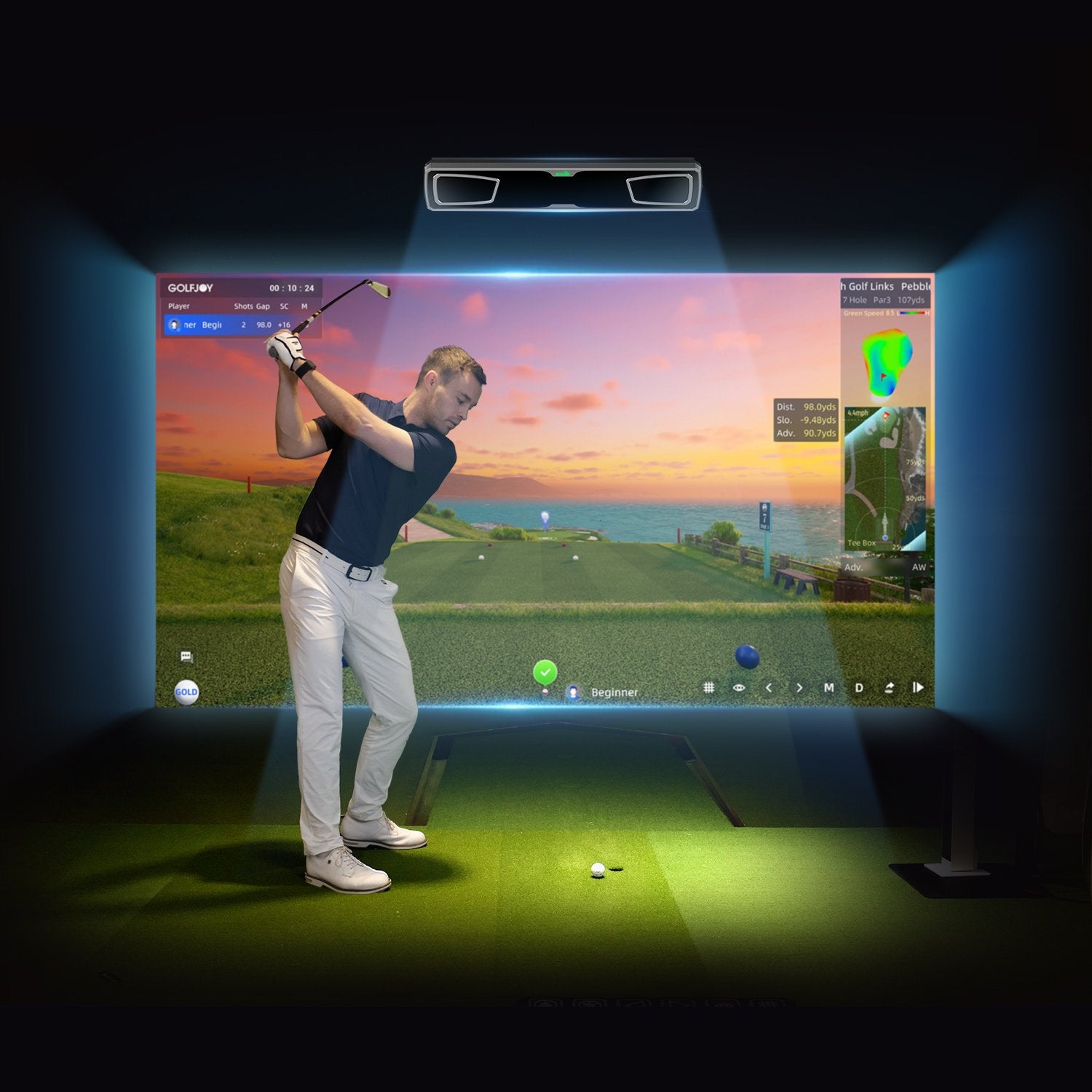
Discover an enhanced golfing experience with GOLFJOY's Rigel 2 Overhead Launch Monitor . Expertly crafted from aerospace-grade aluminum, this precision and performance-driven monitor is ideal for all levels of golfers. With its sleek design and top-of-the-line features, the Rigel 2 is a leading choice for both home and indoor use, making it the ultimate launch monitor for game improvement.
✅Track 40 Essential Golf Metrics
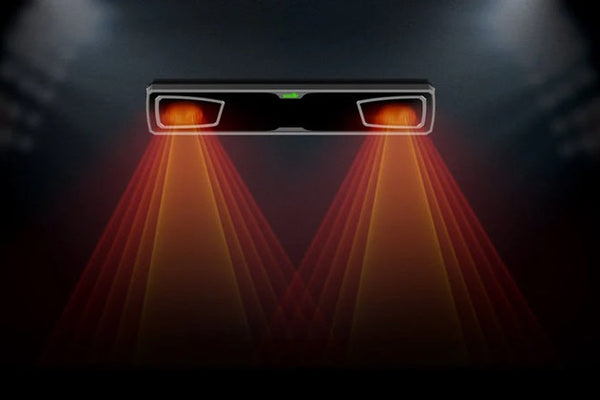
✅Dual-Camera Accuracy
✅Extend hitting zone for versatile practice
✅Instant Real-Time Data
✅Ultra-Clear clubhead Playback
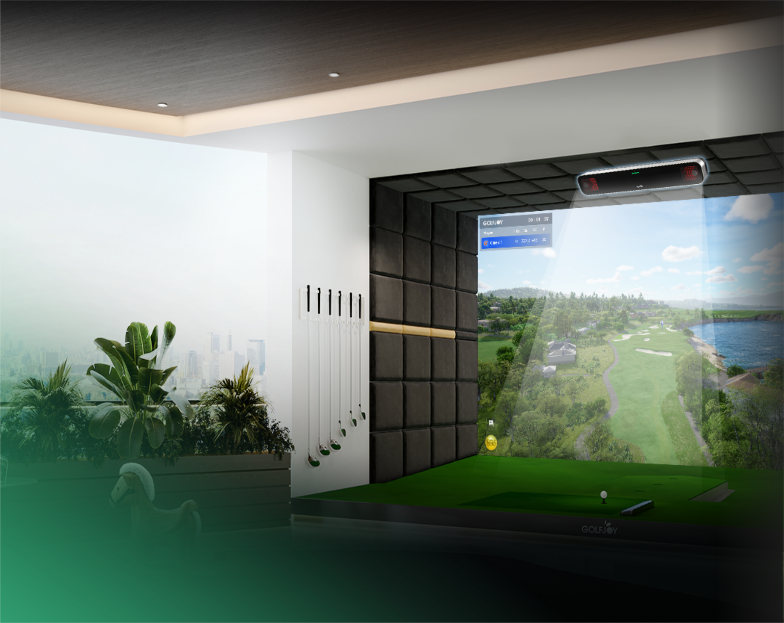
Enjoy tool-free installation with
GOLFJOY Rigel 2's lightweight, streamlined design. Simply align and slide into place - your personal indoor golf range is ready in minutes.
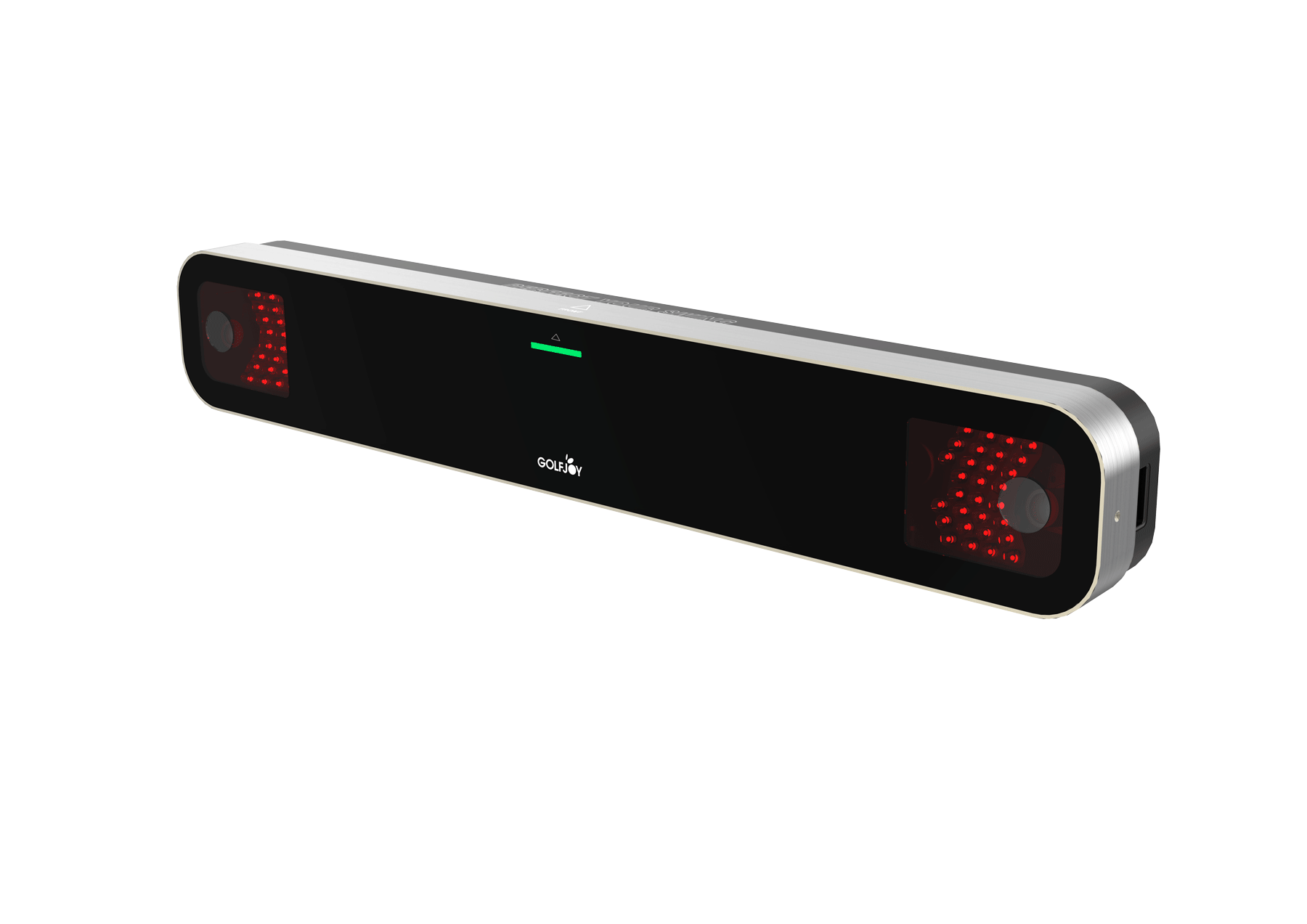
Powered by a high-performance chip and proprietary AI algorithms, the Rigel 2 camera-based launch monitor delivers unmatched accuracy across all shot types. Its advanced optical system captures precise data for every golf ball - even challenging pure white ones - giving you professional-grade feedback for serious practice.
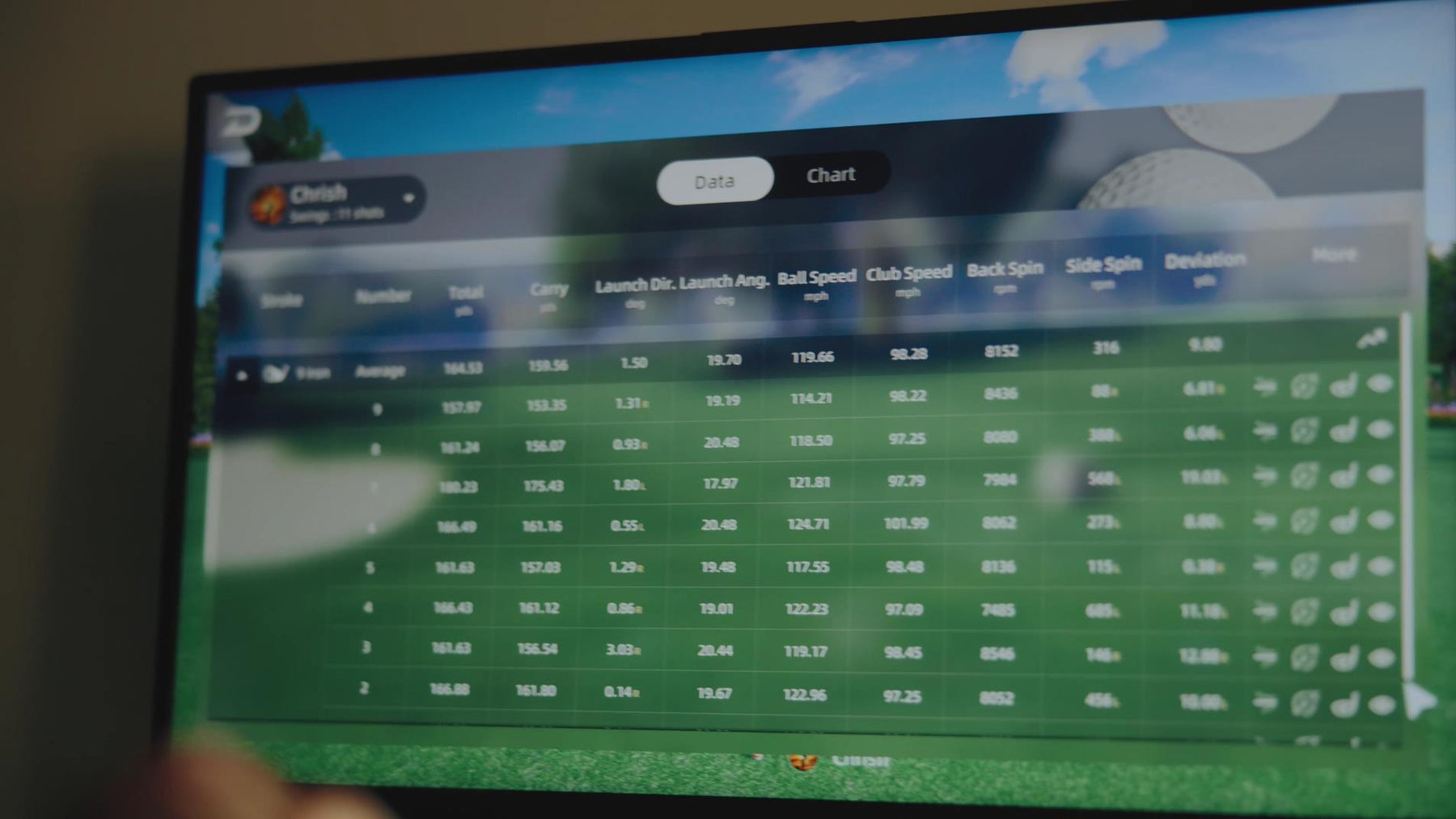
Positioned for optimal tracking, the Rigel 2 captures 40 critical golf metrics per swing - delivering comprehensive golf data analytics to transform your practice sessions into precision training.
Automatically activating within 4 yards of the green, this advanced system delivers 200+ realistic putting scenarios with adjustable cup configurations and power settings. Experience tournament-grade short game practice through intelligent technology that perfectly simulates real green conditions - the ultimate tool for mastering putting precision indoors.
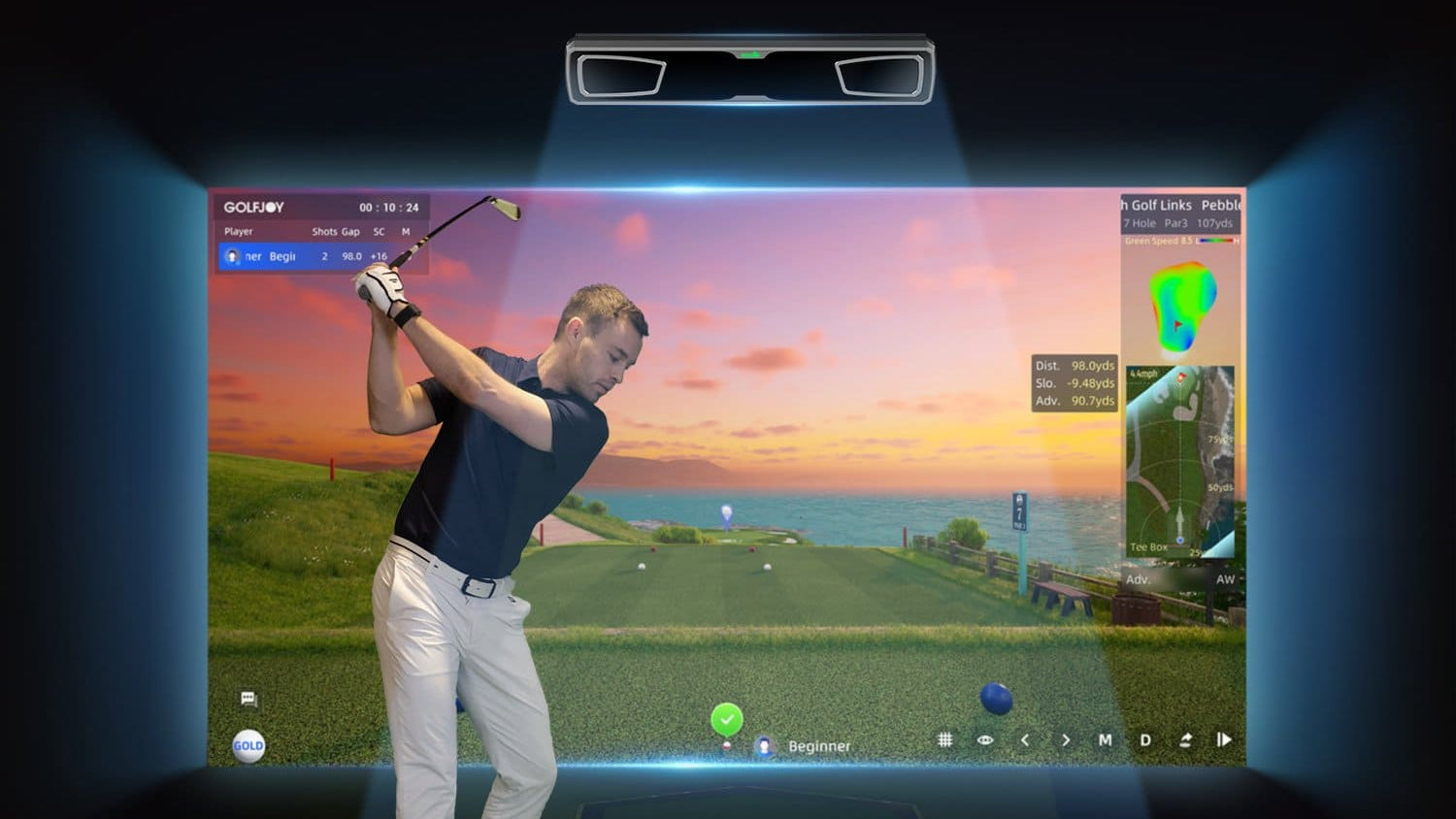
Featuring an expansive sensing zone that automatically captures every shot without repositioning, this overhead golf launch monitor delivers seamless practice sessions with tournament-level accuracy. Its industry-leading tracking technology meets the demands of the best commercial golf simulators, ensuring professional-grade performance for serious players.
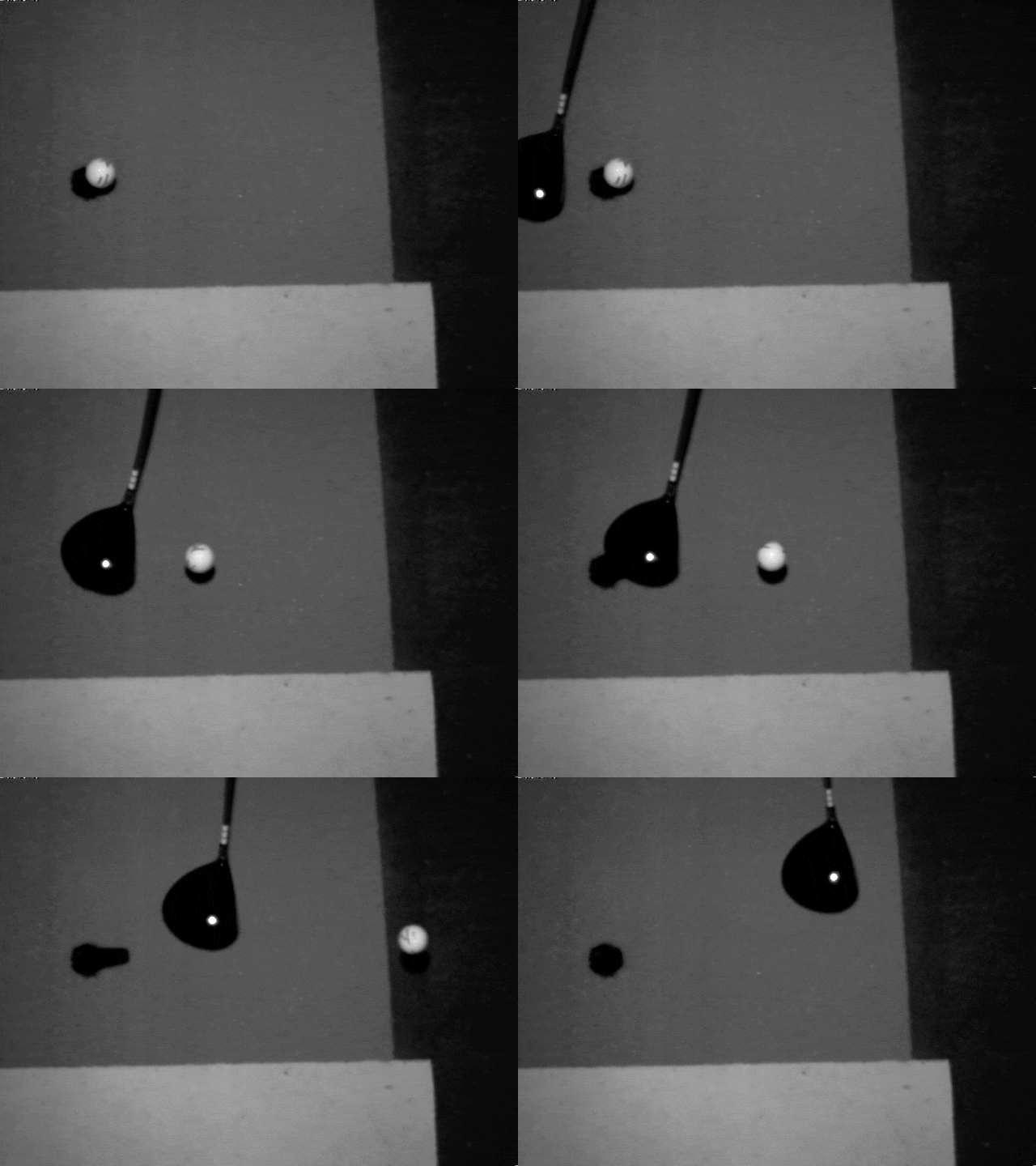
Experience crystal-clear clubhead playback that reveals critical details - from impact position to ball spin dynamics. This advanced golf ball launch monitor delivers professional-grade swing metrics, making it the ultimate choice for home simulator enthusiasts who demand tour-level feedback.
A reliable overhead launch monitor designed to deliver accurate shot data, smooth real-time feedback, and an immersive indoor golf experience with easy installation.
With a quick clip-on design and advanced calibration, the GOLFJOY Rigel 2 offers quick, hassle-free installation, allowing you to spend more time on practice and improvement.
Enjoy speeds of 4Gb/s with a calculation time of ≤0.4 seconds and detection latency of ≤0.3 seconds, providing true real-time feedback.
The Rigel 2 supports all golf balls, clubs, and shot types, accurately capturing high-lofted shots, chip-and-runs, and pitch shots, allowing precise, personalized feedback.
Experience vivid playback of clubhead position and ball contact, enabling detailed analysis of alignment, clubface control, ball spin, and launch angle for effective technique refinement.

39.37″ (L) × 6.30″ (W) × 3.94″ (H) – weighs 6.75 kg / 14.88 lbs
Please watch the setup video before beginning installation.

Watch the setup video to begin calibration

•Distance to Tee: Fixed at 110–120 cm (43.3–47.2 in).
•Minimum Ceiling Height: 2.75–3.1 m (9.0–10.2 ft).
•For Dynamic Platforms: A ceiling height of 2.91–3.1 m (9.5–10.2 ft) is recommended for optimal performance.
The GOLFJOY Rigel 2 provides up to 40 data parameters, tracking everything from ball and club metrics to complete ball flight analysis.
We offer free shipping within the contiguous U.S. and will only charge you once your order ships. You can track your delivery anytime through your account or by contacting our support team. For full details, please see our Shipping Policy
You may request a return within 30 days of receiving your item, provided it is unused and in original packaging. Once approved, refunds will be issued to your original payment method within 2–3 business days. For complete details, please refer to our Returns & Refunds page.


| Product | ||||
|---|---|---|---|---|
| Physical Specs | ||||
| Net Weight | 8.7kg | 6.75kg | 6.1kg | 4.95kg |
| Dimensions (cm) | 1150×193×120 | 1000×159×100 | 1000×160×70 | 756×160×70 |
| Installation | Front-mounted | Front-mounted | Front-mounted | Front-mounted |
| Performance & Accuracy | ||||
| Monitored Data Points | 37 | 40 | 40 | 42 |
| Distance From Tee (cm) | 80 | 110 | 110 | 110 |
| Detection Latency | ≤0.35s | ≤0.3s | ≤0.3s | ≤0.2s |
| Cameras | 2 | 2 | 3 | 3 |
| Hitting Zone | 40×40 cm | 40×40 cm | 50×70 cm | 60×60 cm |
| Supported Balls | Logo Ball | Any Ball | Any Ball | Any Ball |
| Software & Ecosystem | ||||
| PC Software | GOLFJOY PRO/GSPRO/E6/Creative Golf | GOLFJOY PRO/GSPRO/E6/Creative Golf | GOLFJOY PRO/GSPRO/E6/Creative Golf | GOLFJOY PRO/GSPRO/E6/Creative Golf |
| Bluetooth & Wifi | ✕ | ✕ | ✔ | ✔ |
| App Support | ✕ | ✕ | GOLFJOY Pro/Space | GOLFJOY Pro/Space |

GOLFJOY Software

Overhead Launch Monitor
THE BRAIN

PC

4K Projector
The world’s only smart putting system uses 11 actuators to recreate true green undulations. Directly synced with the data core.



Email: business@golfjoy.com